

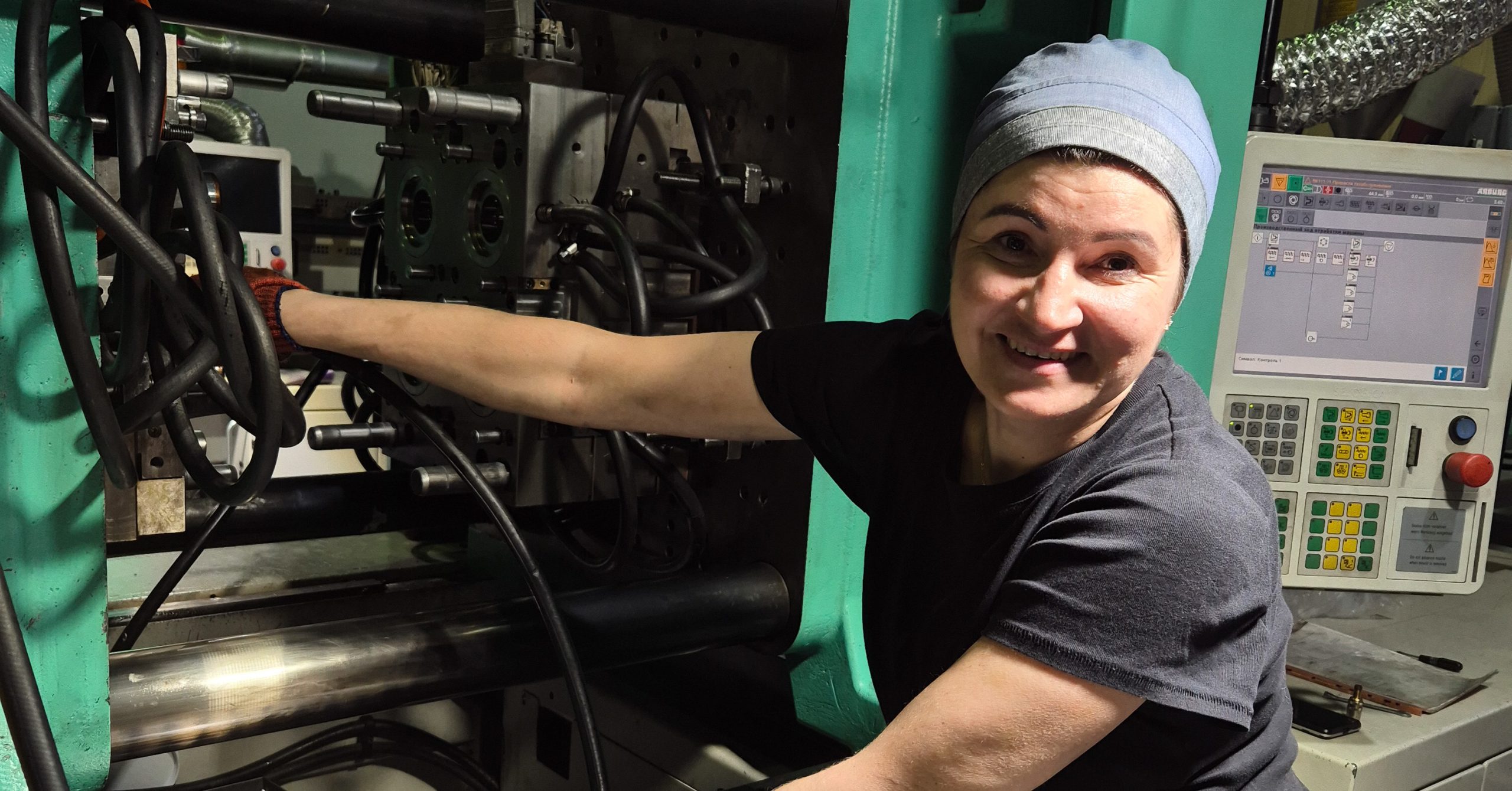
Spetstekhosnastka: Breaking HR Bias Opens New Opportunities
“I feel proud and satisfied because we have let go of our biases: ‘a machine setter cannot be a woman’, ‘young people are irresponsible and inexperienced, what value can they bring?’ These were simply outdated assumptions. The reality is completely different,”
Kateryna Bandurka, HR Director at Spetstekhosnastka LLC (Dnipropetrovsk region)
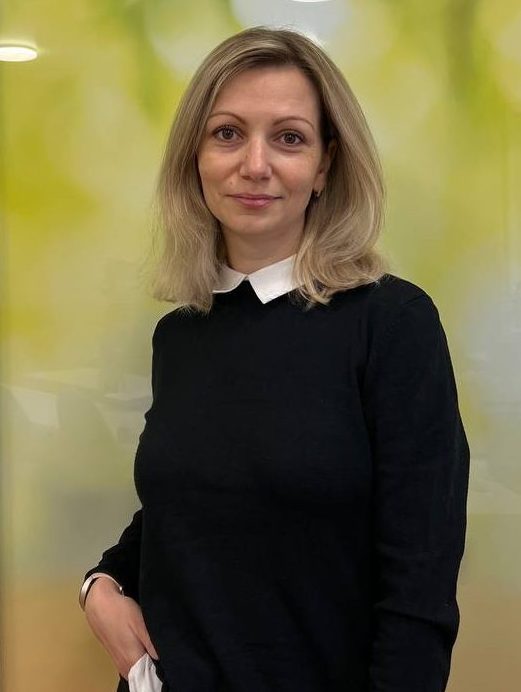
The war has profoundly reshaped Ukraine’s labour market. Finding employees has become significantly more difficult, and continuing to operate “as before” is no longer an option. For Spetstekhosnastka, this meant acknowledging the need for change and rethinking long-standing approaches to workforce management.
Participation in the HR Boost for Better Employment project under the Multi Donor Initiative Skills4Recovery provided Kateryna Bandurka, as head of the HR function, with practical support and fresh ideas for implementing change. It also helped her engage company managers and encourage them to try new approaches.
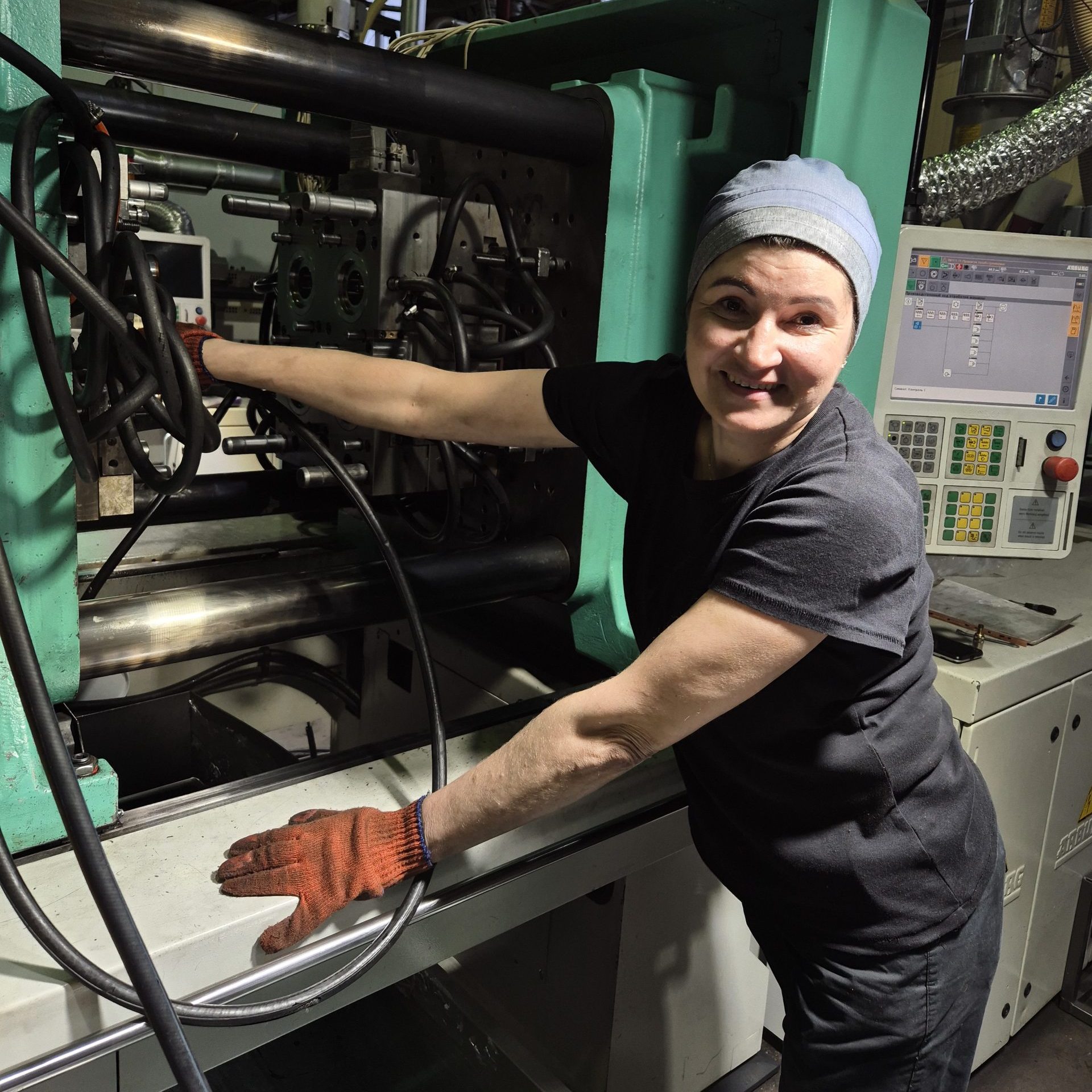
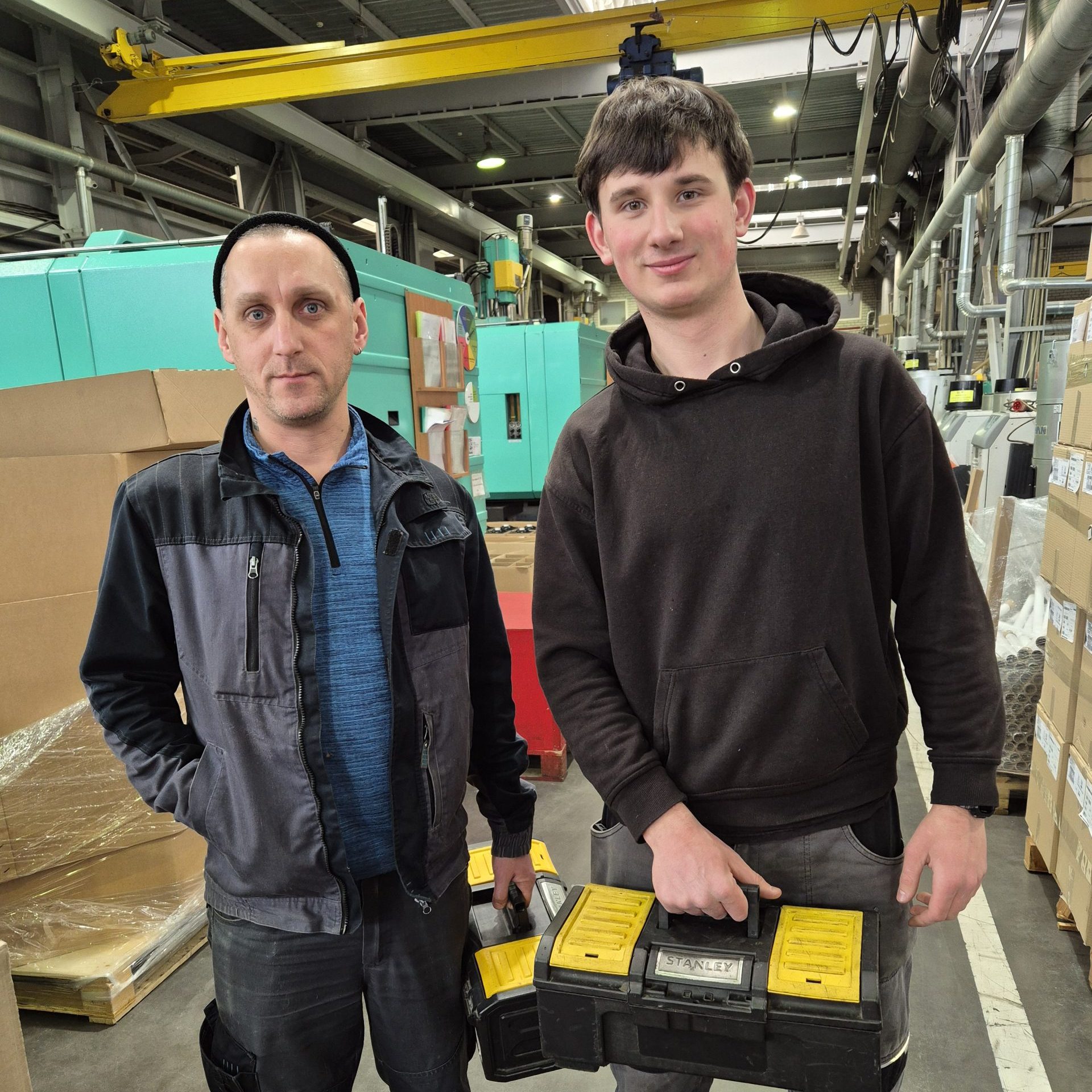
The first HR changes focused on people the company had previously tended to overlook: young people without work experience and women in professions traditionally regarded as “male”.
To support these groups, the company introduced internship programmes combining structured learning with hands-on training in the workplace. It quickly became clear that this was the right decision.
At the same time, the company began strengthening its support for veterans. It organised internal training sessions for department managers and is gradually developing guidance materials to help teams recognise the value colleagues with military service experience bring to the workplace. These efforts also support former service members in adapting more smoothly to civilian professional life.
Further support for these changes was provided by the online course and the guide “Inclusion in Action”, developed under the HR Boost for Better Employment project. They help HR professionals build a systematic approach to the adaptation, development and inclusion of employees from various vulnerable groups.
“To companies that are still hesitating, I would say one thing: change has already happened, whether you see it or not. You have a choice: to accept and understand it to work more effectively, or to resist it and risk falling behind,” Kateryna adds.
The experience of participating in Skills4Recovery shows that inclusive approaches are not about compromise. They create new business opportunities and offer real chances for people to access employment, stay in their profession, and continue to grow even in challenging times.
Background:
The project “HR Boost For Better Employment: Enhancing HR Practices for Inclusive Employment of Skilled Workforce” is being implemented by the NGO “Mentor Centre” within the framework of the Multi Donor Initiative Skills4Recovery, which is jointly co-financed by the European Union, Germany, Poland, Estonia, Denmark, and is implemented by Deutsche Gesellschaft für Internationale Zusammenarbeit (GIZ) GmbH and the Solidarity Fund PL (SFPL).