Iryna Tyshyk: new skills to support patients at Superhumans
The training gave Iryna practical skills that she applies in her work with patients and shares with her colleagues.


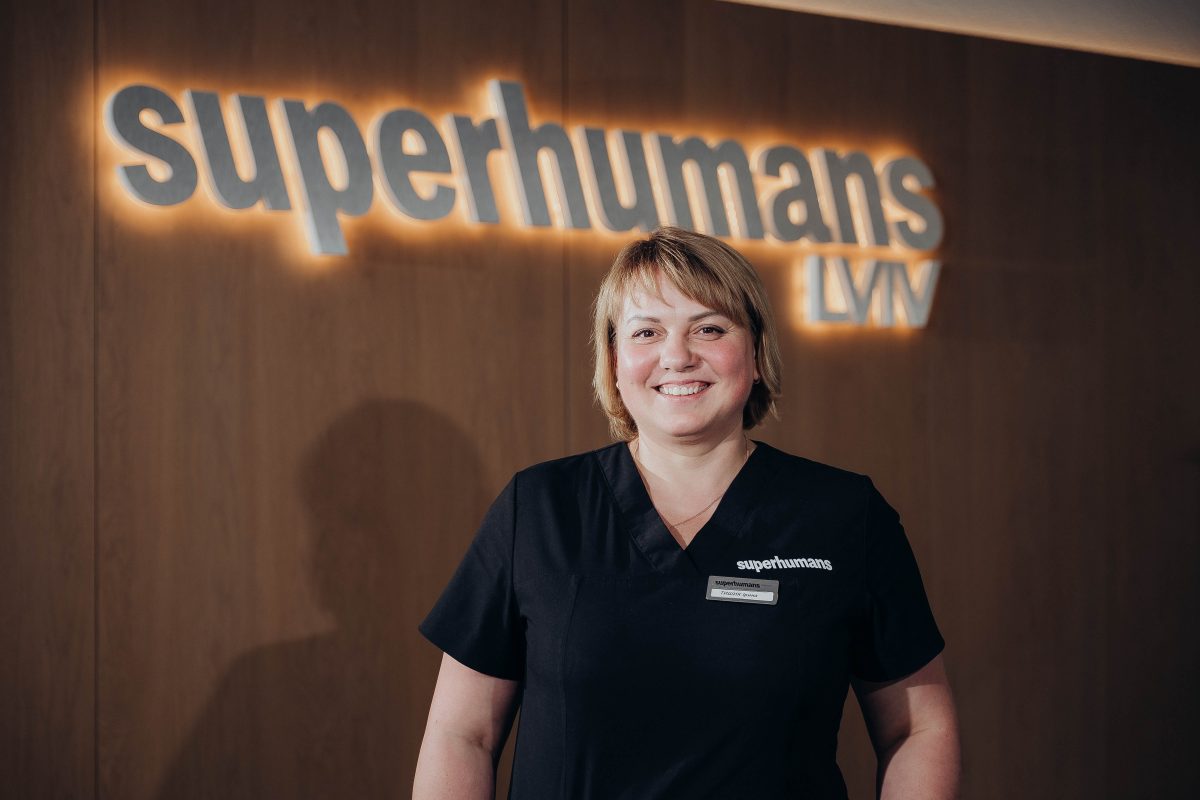
The training gave Iryna practical skills that she applies in her work with patients and shares with her colleagues.
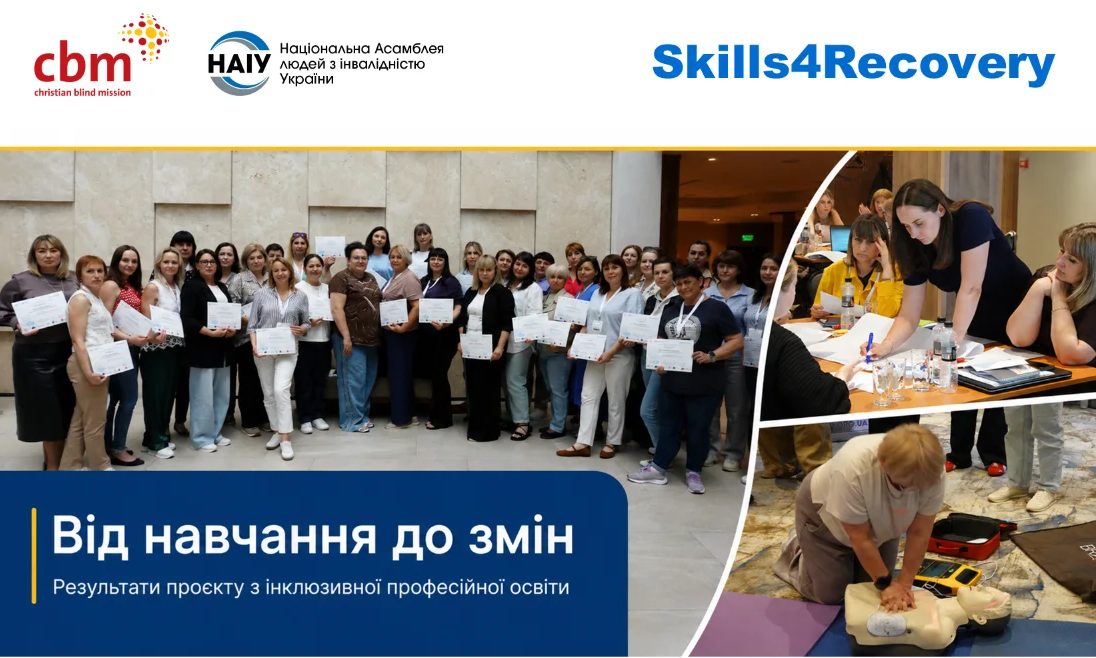
Explore the Inclusive VET project’s results and practical resources for equal access to learning and work.
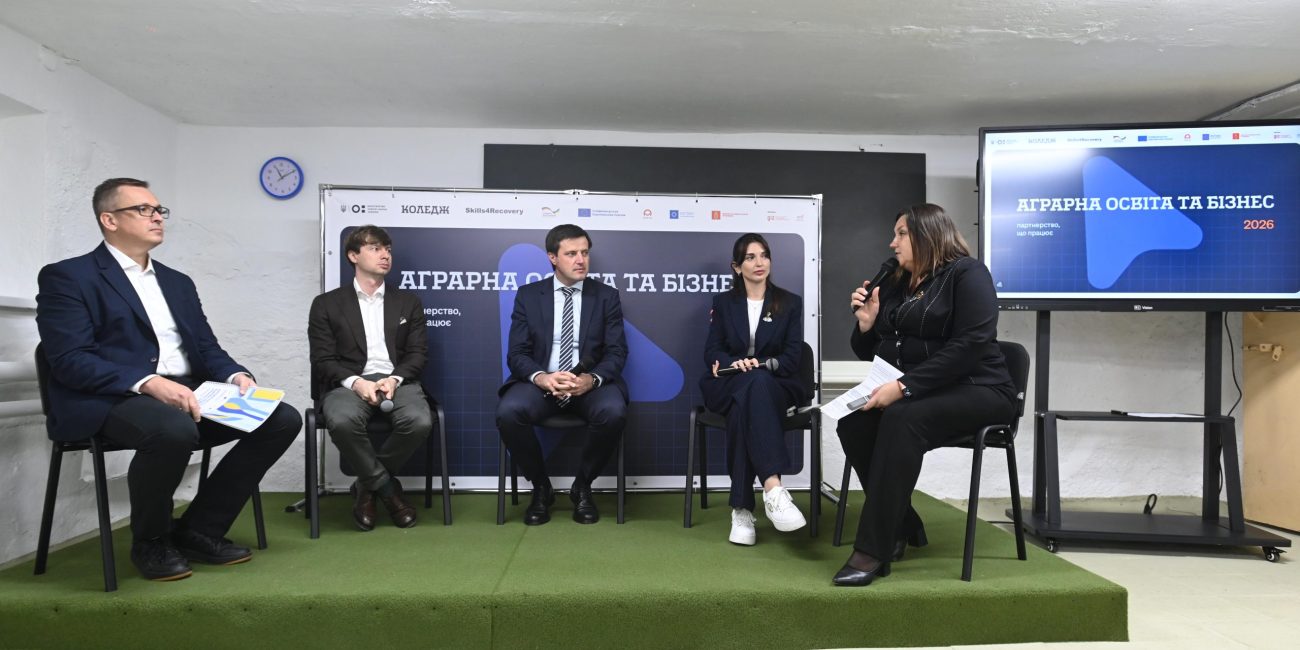
The All-Ukrainian Forum “Agricultural Education and Business 2026: Partnership in Action” took place at Nemishaieve Professional College.
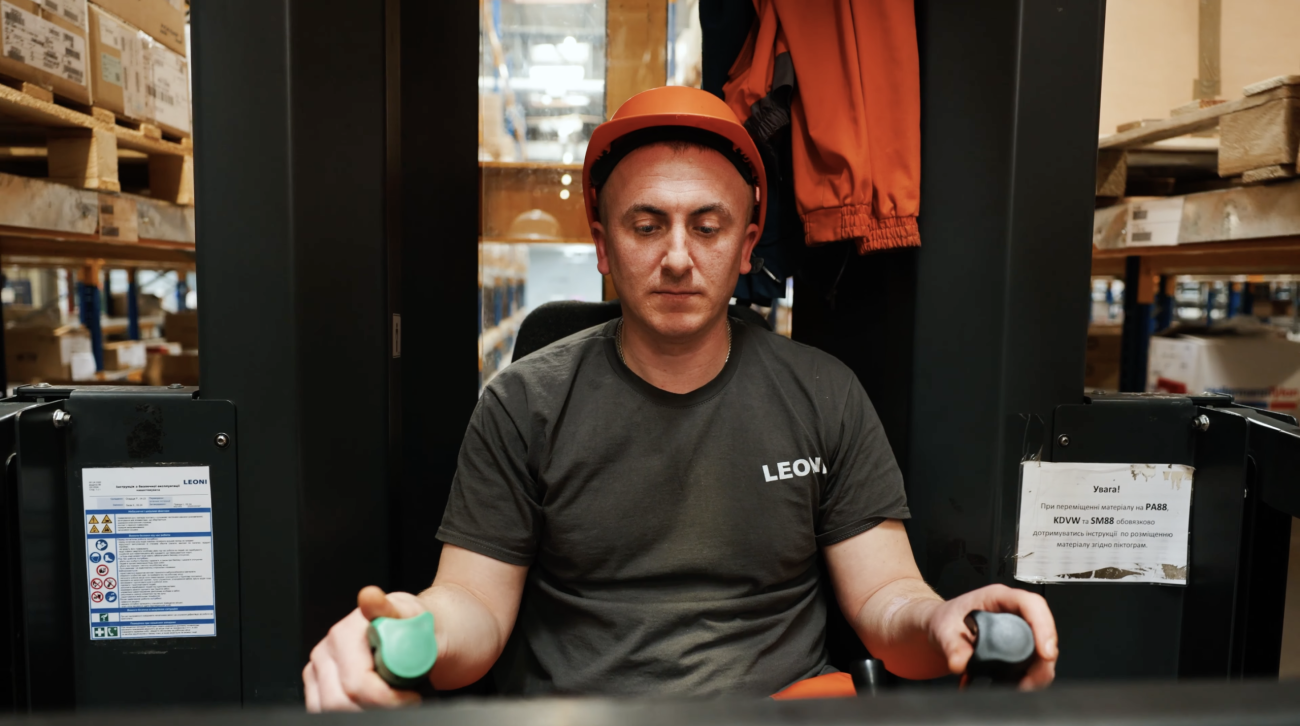
A new role and small workplace adjustments helped a veteran continue working at LEONI, a participant in a Skills4Recovery project on inclusive employment.
A new practical guide offers VET providers practical steps, successful models and recommendations for building strong partnerships with businesses.
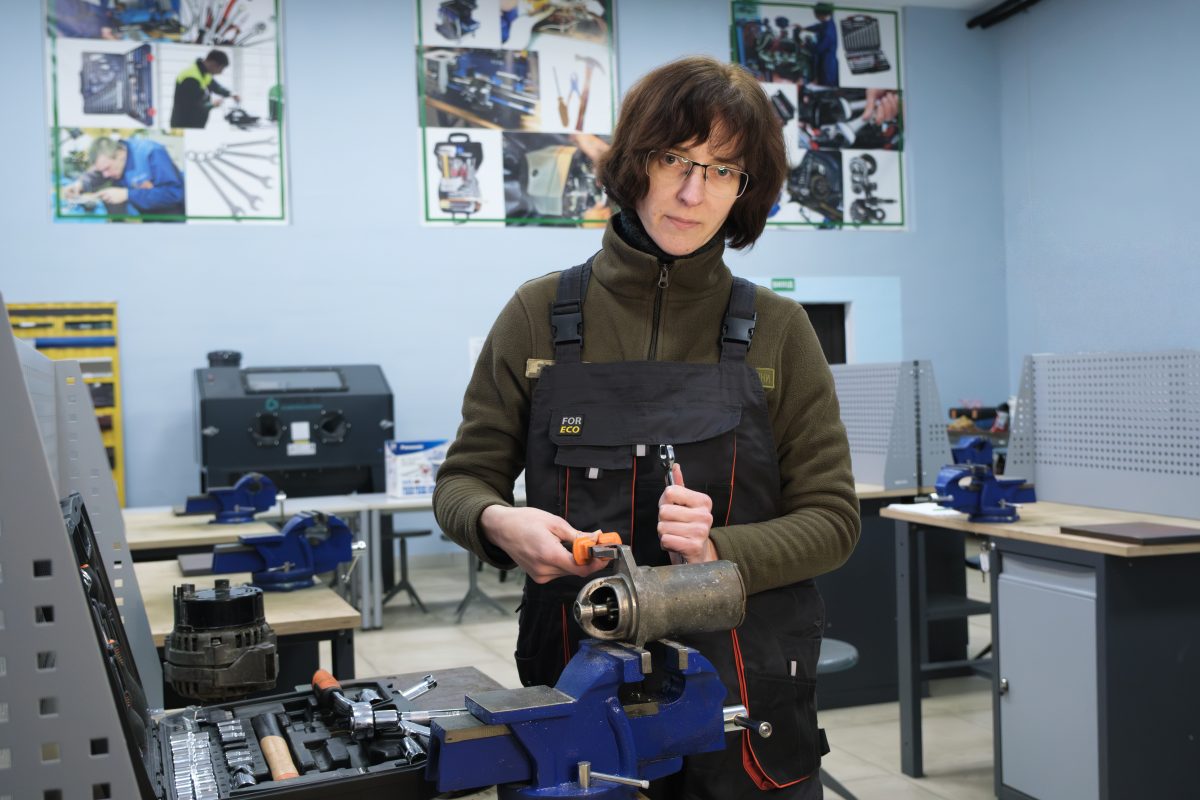
Skills for Inclusion training helped Yana turn her long-standing interest in technology into a new career opportunity and begin building a career in a technical field.
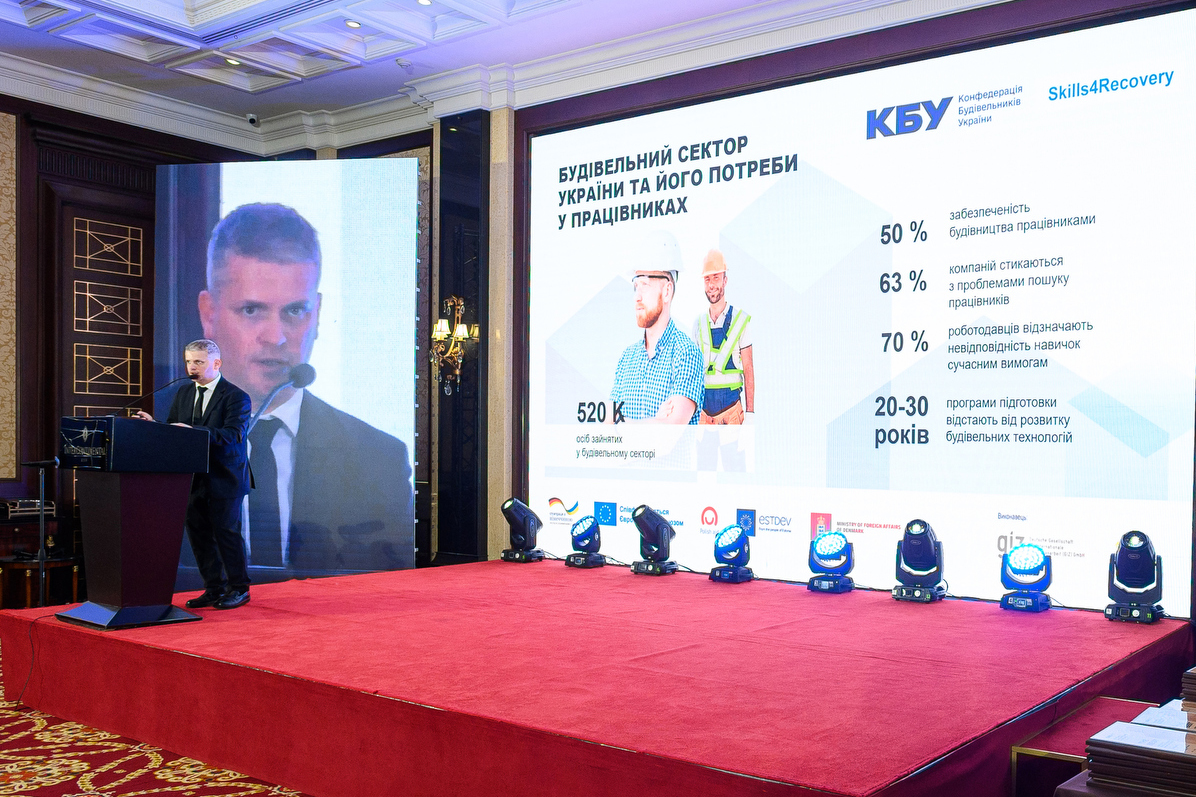
The document proposes a comprehensive set of practical solutions to address the shortage of skilled workers and establish a sustainable training system aligned with the sector’s needs.
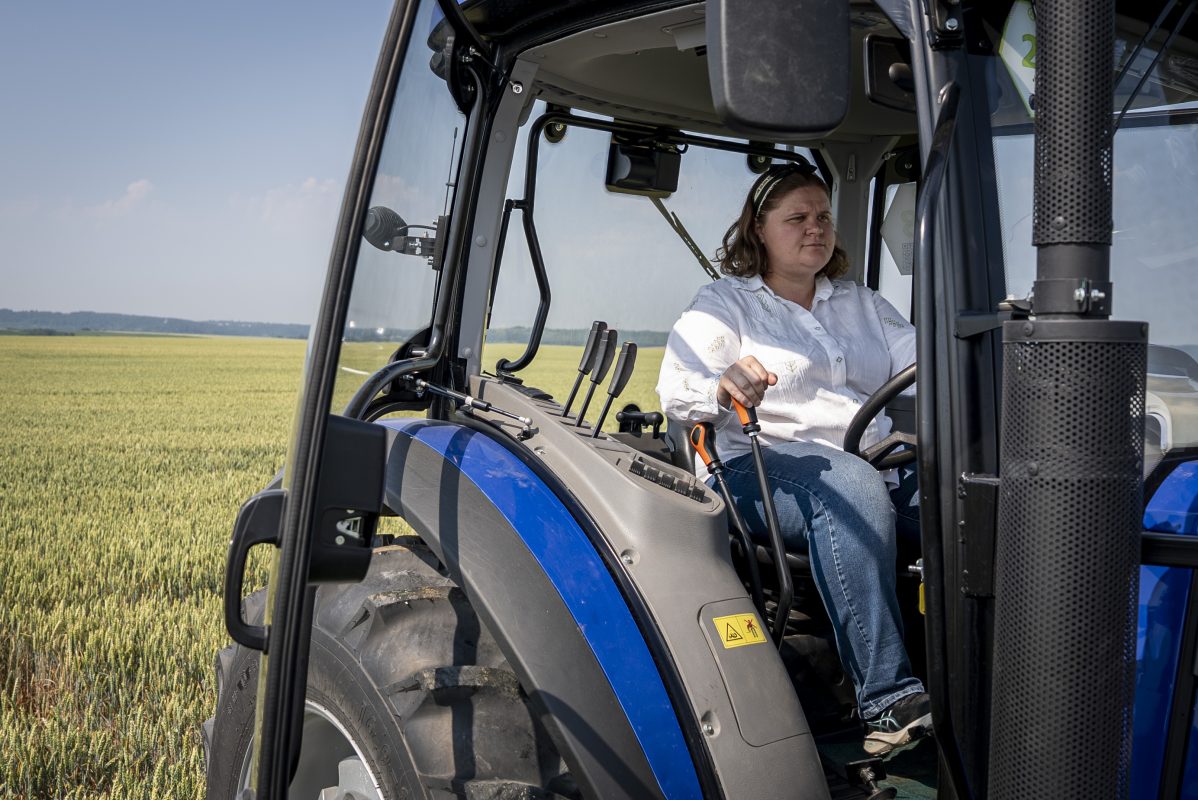
Training helped Kateryna gain a new qualification, better understand fieldwork and be ready to support her team when needed.
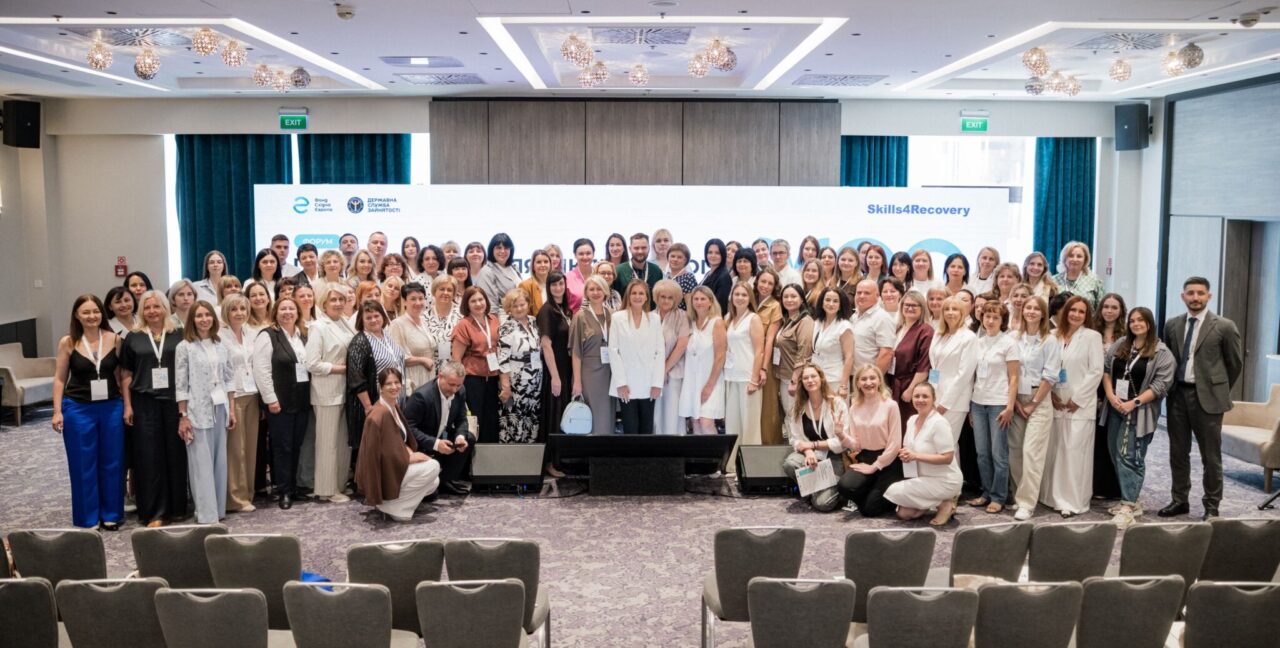
More than 120 representatives of employment centres, businesses and public institutions explored practical ways to remove barriers and create equal employment opportunities for all.
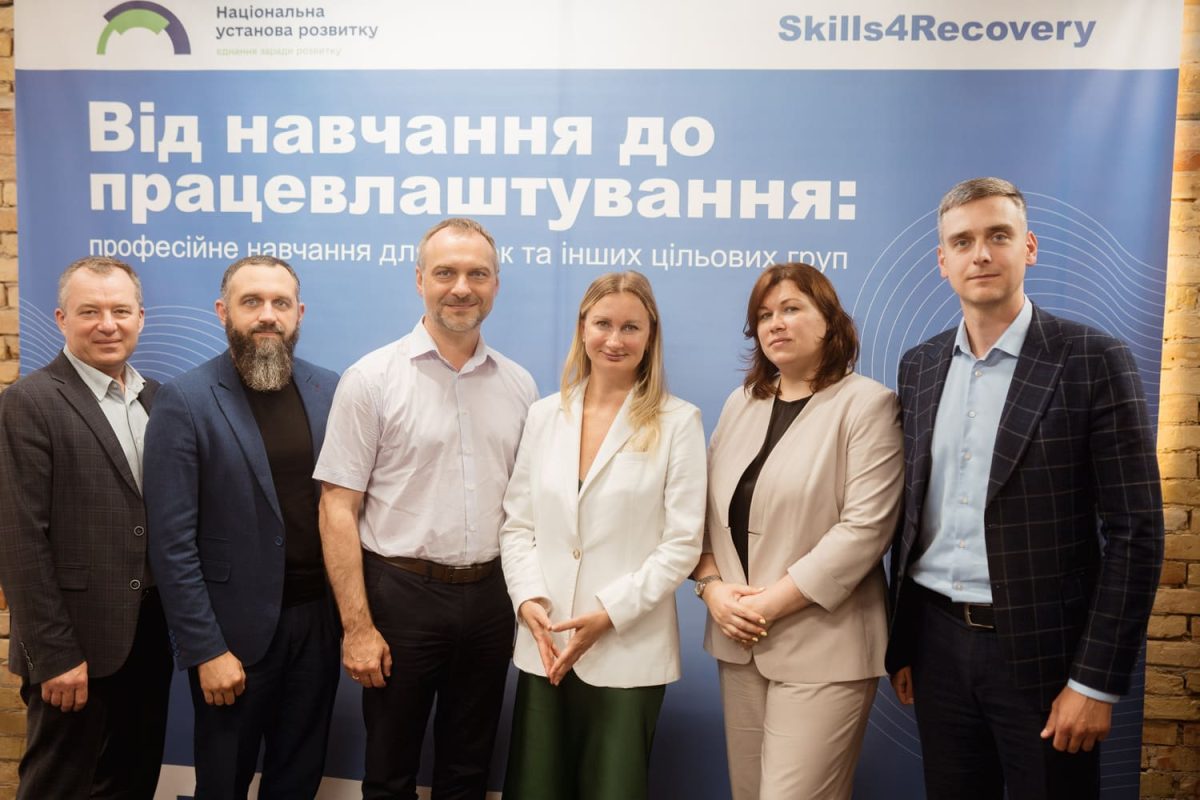
On 28 July, the results of the “From Class to Work: Vocational Training for Women and Other Target Groups” project were presented in Kyiv.