

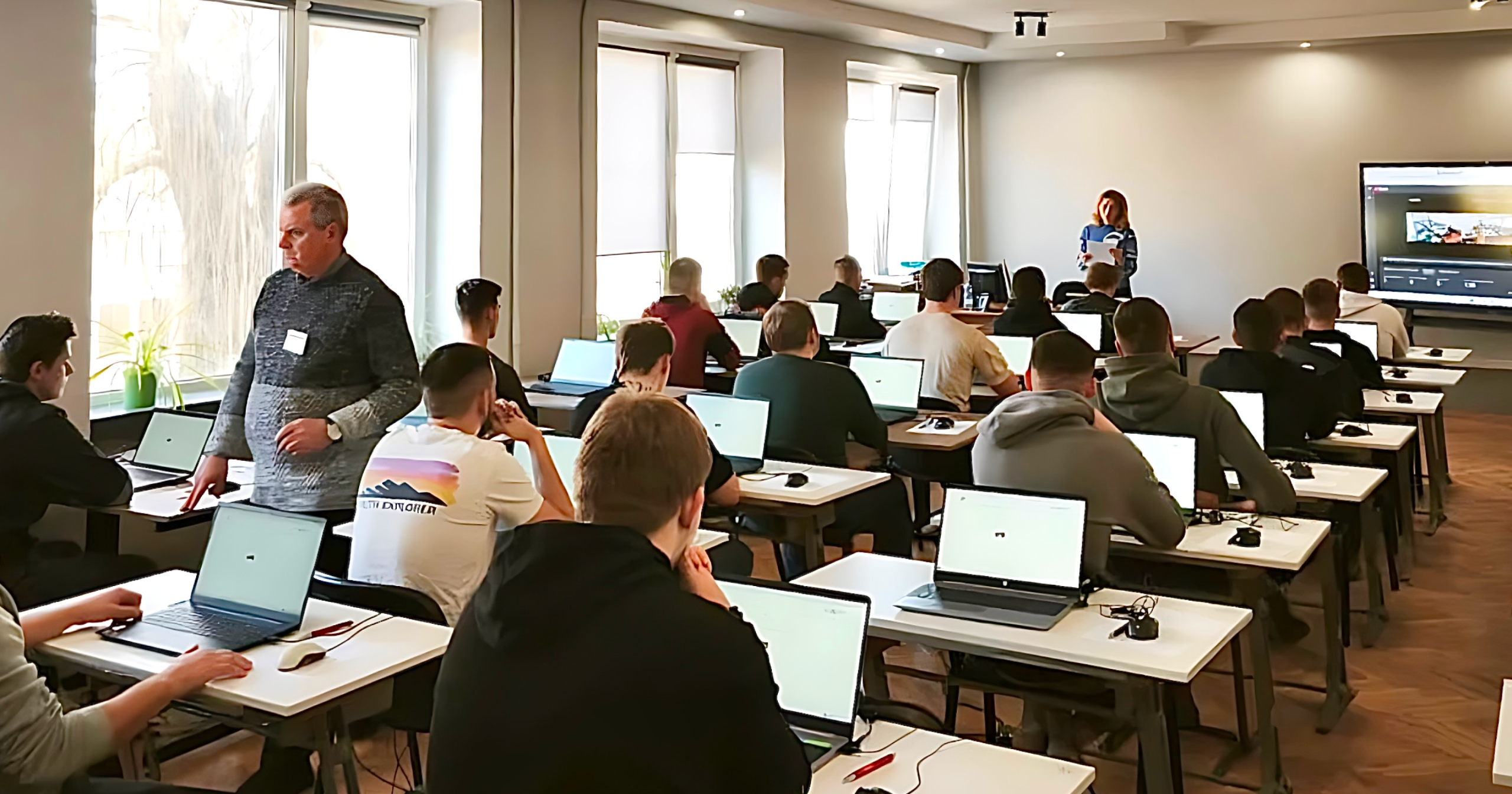
How VET providers are establishing qualification centres
“There are people who already have the skills to do the job but lack formal certification. Qualification centres help validate these skills quickly, allowing people to enter the labour market almost immediately,”
explains Liudmyla Bialik, mentor of the "Profosvita: Autonomy for the Future" project under Skills4Recovery

The reform of vocational education and training (VET) in Ukraine is changing how qualifications are validated. Graduates are now required to undergo independent assessment at qualification centres, while people who have acquired skills outside formal education can quickly validate them and access the labour market.
For employers, this creates an opportunity to recruit specialists with validated skills. For individuals, it offers a faster pathway to employment or career change without the need to retrain from scratch. For VET providers, it introduces a new function and an additional source of financial sustainability.
The “Profosvita: Autonomy for the Future” (PAF) project, implemented under the Multi Donor Initiative Skills4Recovery, supports VET providers in navigating these changes. In total, 23 VET providers from 16 regions of Ukraine worked with mentors to strengthen their institutional autonomy, including establishing supervisory boards and updating curricula, as well as introducing digital tools and preparing documentation for the future implementation of energy efficiency programmes.
Project mentor Liudmyla Bialik, Head of Department at the Rivne Technical Professional College of the National University of Water and Environmental Engineering, worked with two VET providers in Ivano-Frankivsk and Lviv on establishing qualification centres.
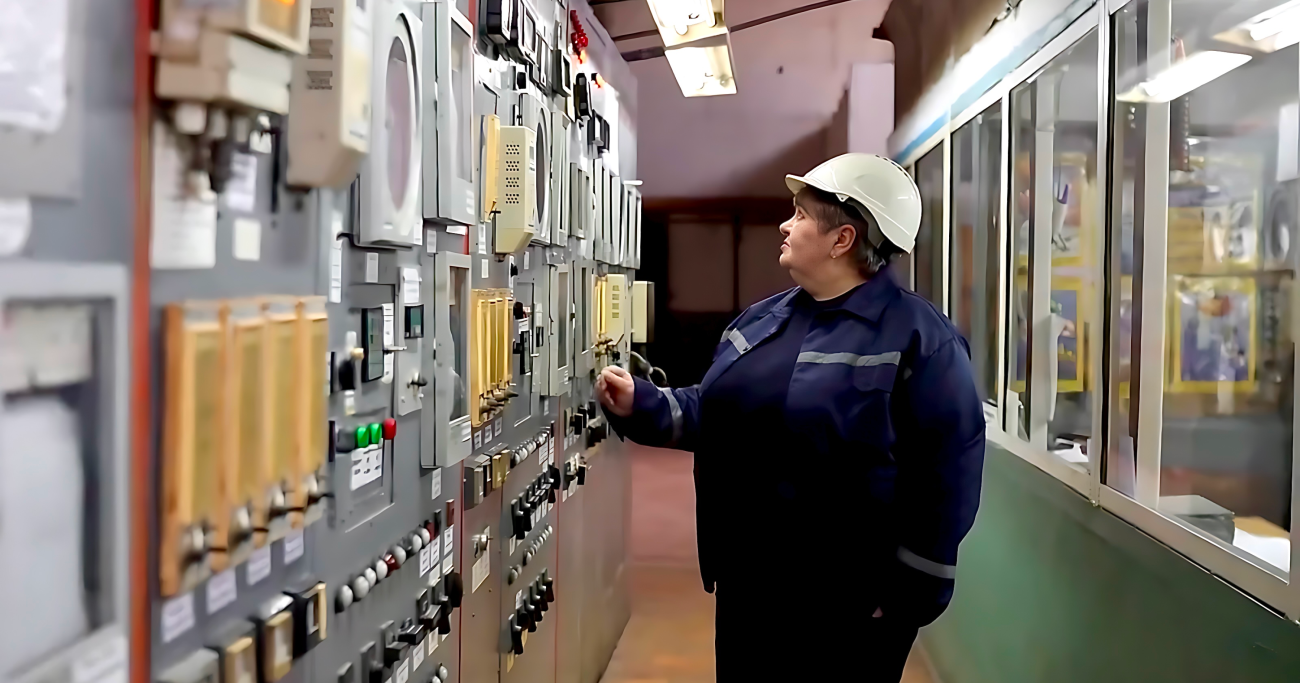
Source: Ivano-Frankivsk VET Centre of the State Employment Service
Ivano-Frankivsk: qualification centre for boiler house operators and boiler technicians
For the Ivano-Frankivsk VET Centre of the State Employment Service, establishing a qualification centre was a strategic decision.
“We understood this could become our competitive advantage. If implemented well, it would allow us not only to remain in the market but also to strengthen our position,” says Director Oleh Yatsiuk.
In practice, the process proved more complex than expected. While the regulatory framework sets out general requirements, it does not provide detailed guidance on how to implement them. The main challenges lay in developing assessment procedures and preparing documentation for accreditation.
“With the documents available on the website of the National Qualifications Agency, we would not have managed. There are many nuances that you simply cannot find documented anywhere,” he adds.
Mentor support within the project proved crucial. Together with Liudmyla Bialik, the team identified the first-priority qualifications — boiler house operator and boiler technician — which are critical to infrastructure.
At the same time, the team addressed practical issues, including securing facilities for assessment and engaging assessors from industry. They successfully prepared and submitted an application for accreditation to the National Qualifications Agency, which is currently under review.
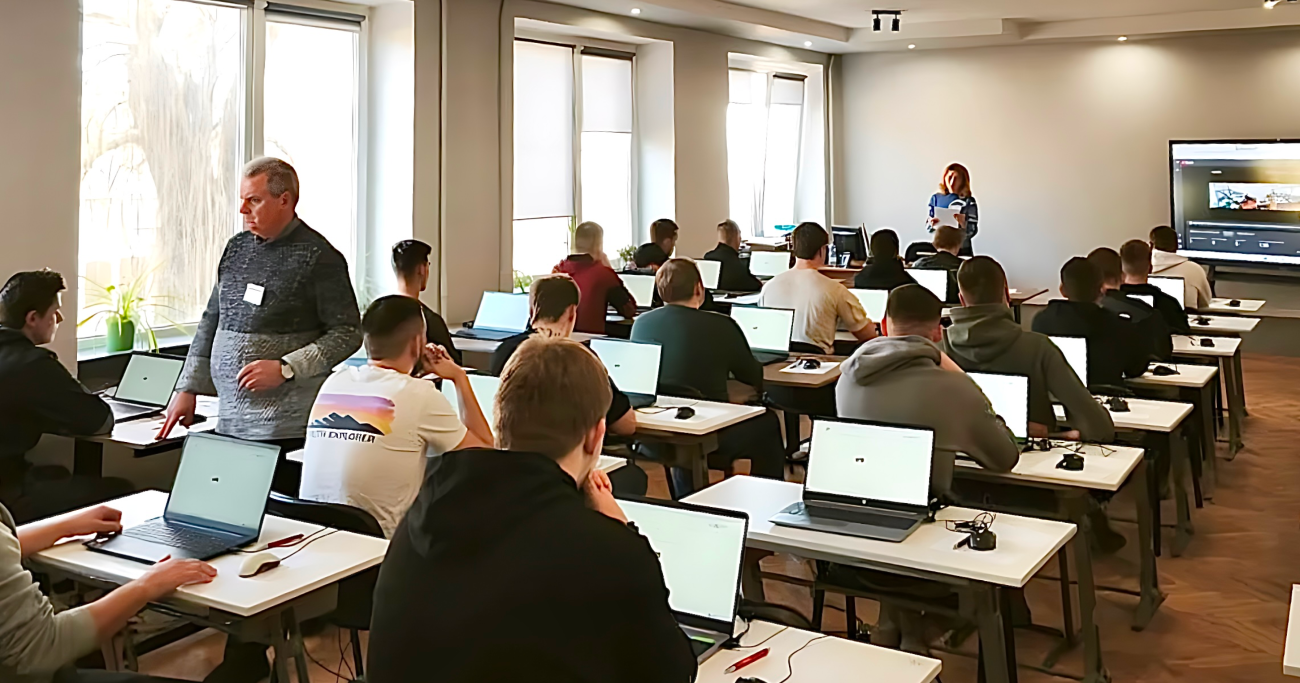
Source: Lviv Higher Vocational School of Computer Technologies and Construction
Lviv: a qualification centre for information processing and software operators
The team at the Lviv Higher Vocational School of Computer Technologies had long planned to establish a qualification centre, but lacked practical experience.
“We did not have sufficient practical experience and did not fully understand how to set it up so that it would function effectively,” explains Serhii Khyl, Deputy Director for Training and Production.
The team took a pragmatic approach, starting with an occupation where both capacity and demand already existed — information processing and software operators.
Together with the mentor, they developed a comprehensive operating model for the centre: designing assessment procedures, developing assessment tools, updating internal documentation, and establishing a pool of assessors. Transparency was also an important element, with information on procedures and requirements published on the institution’s website.
Regular mentoring sessions helped maintain a structured approach and avoid delays.
“It was truly motivating. When you know you have to demonstrate results in two weeks, you move much faster. Many things do not get postponed. Communication was very direct. We could ask questions, clarify details and receive quick feedback. Complex issues were explained in simple terms. This helped us complete the entire process without unnecessary delays,” says Serhii Khyl.
The centre’s accreditation application is also under review, while the team is already planning to expand into new qualifications aligned with labour market needs.
Background
The “Profosvita: Autonomy for the Future” project is implemented by the NGO EasyBusiness with financial support from the European Union, Germany, Poland, Estonia and Denmark within the Multi Donor Initiative Skills4Recovery, implemented by Deutsche Gesellschaft für Internationale Zusammenarbeit (GIZ) GmbH and the Solidarity Fund PL (SFPL).
The original article is available at: https://rubryka.com/blog/yak-proftehy-zapuskayut-kvalifikatsijni-tsentry/