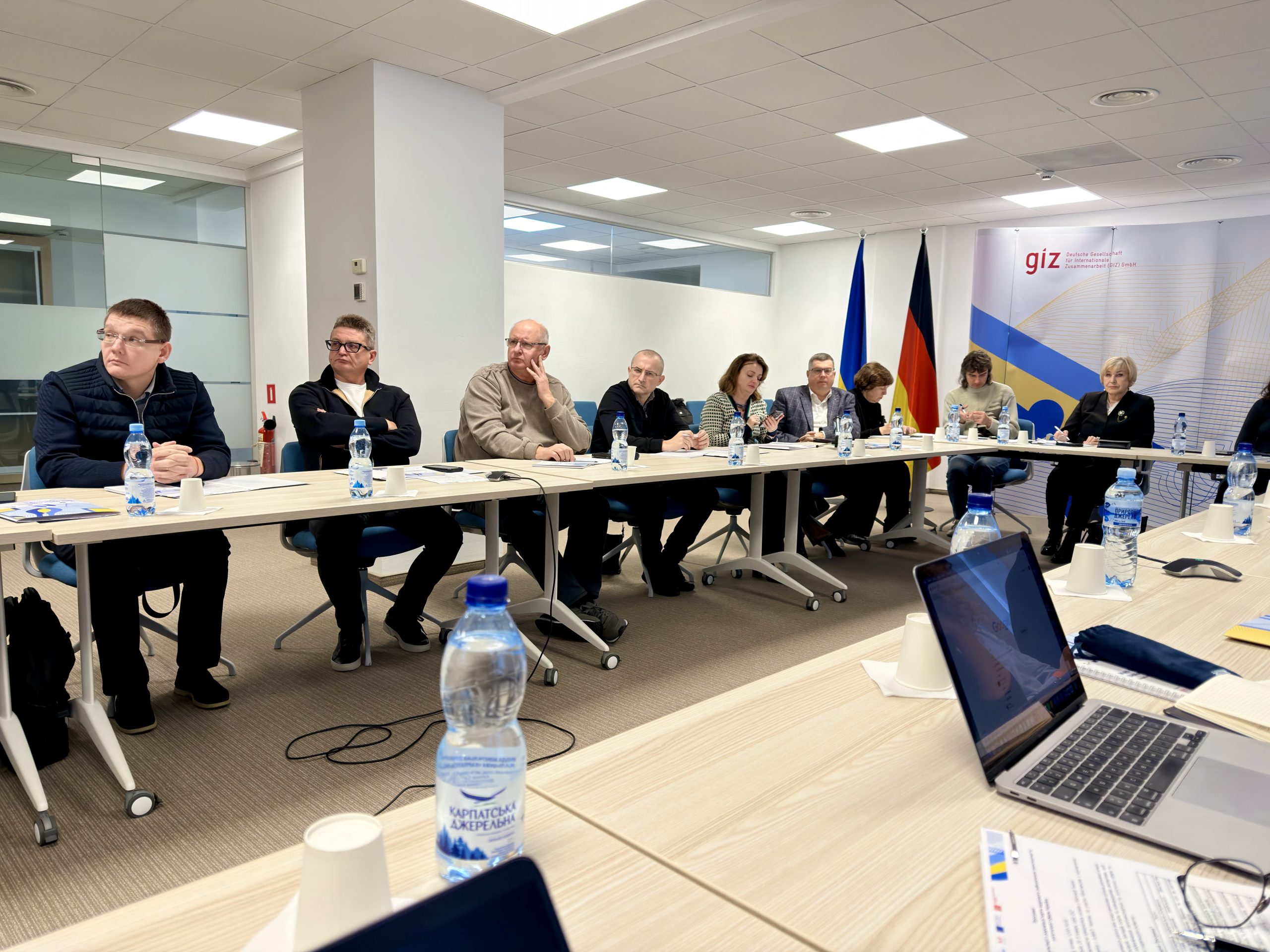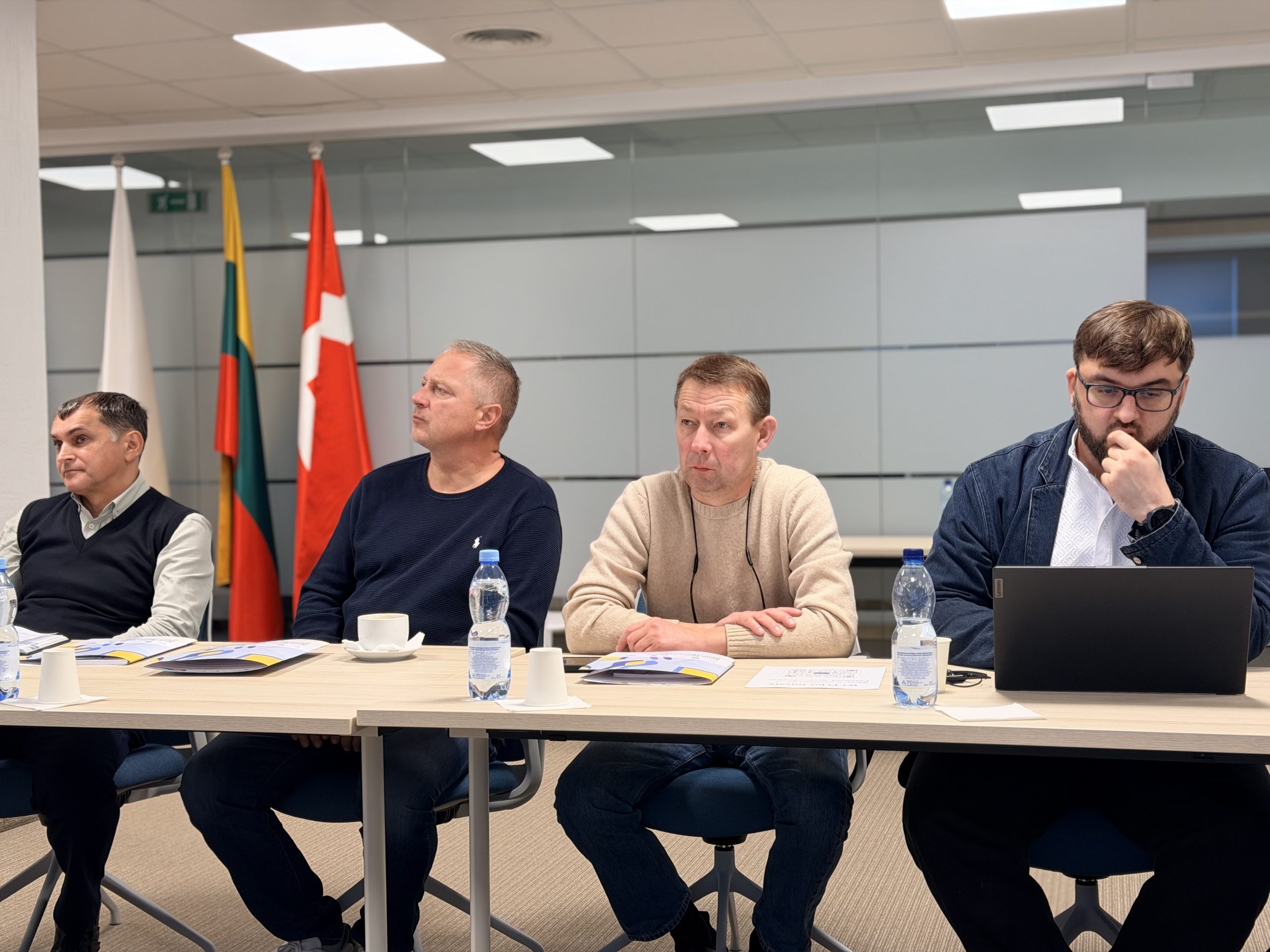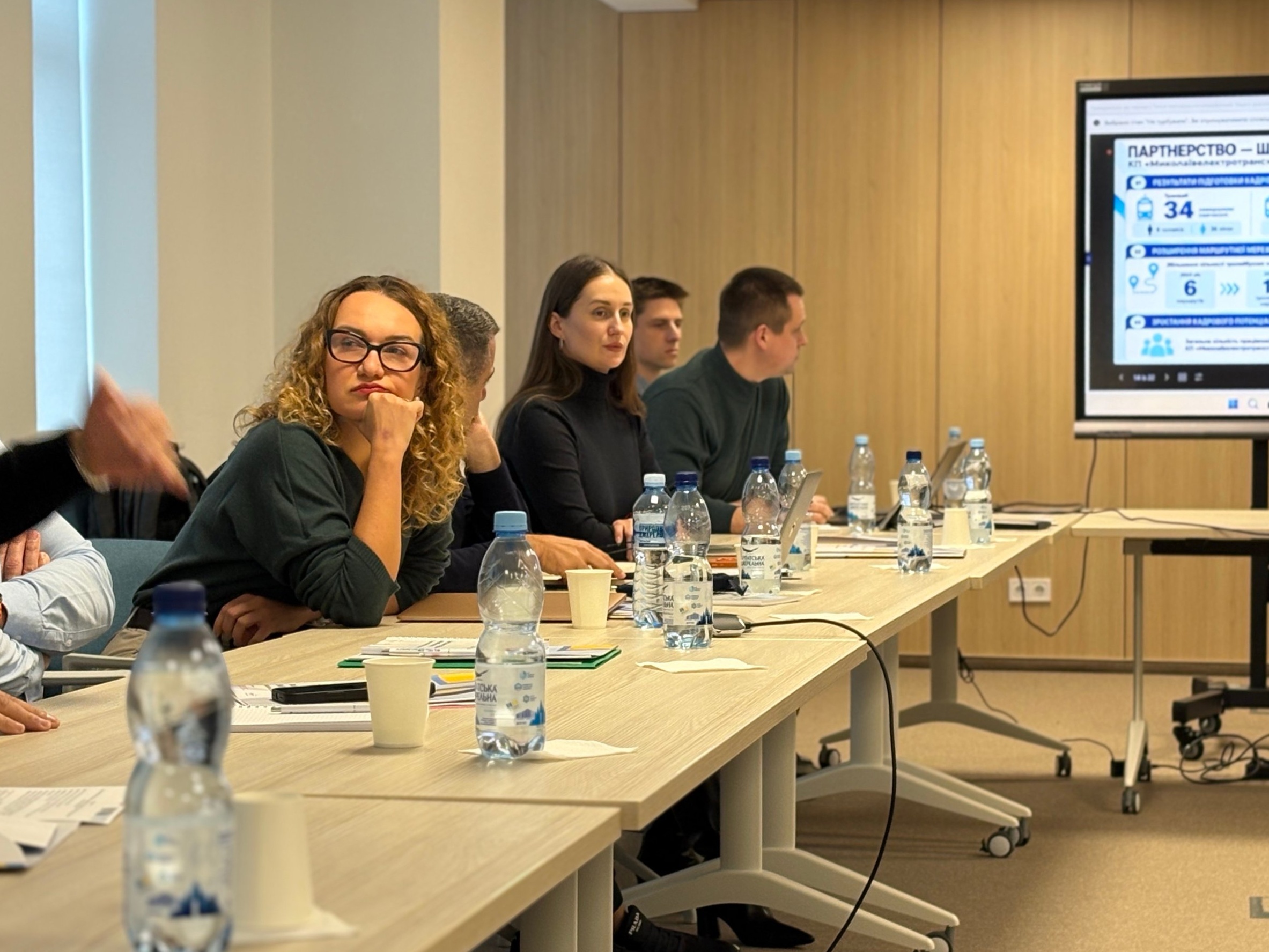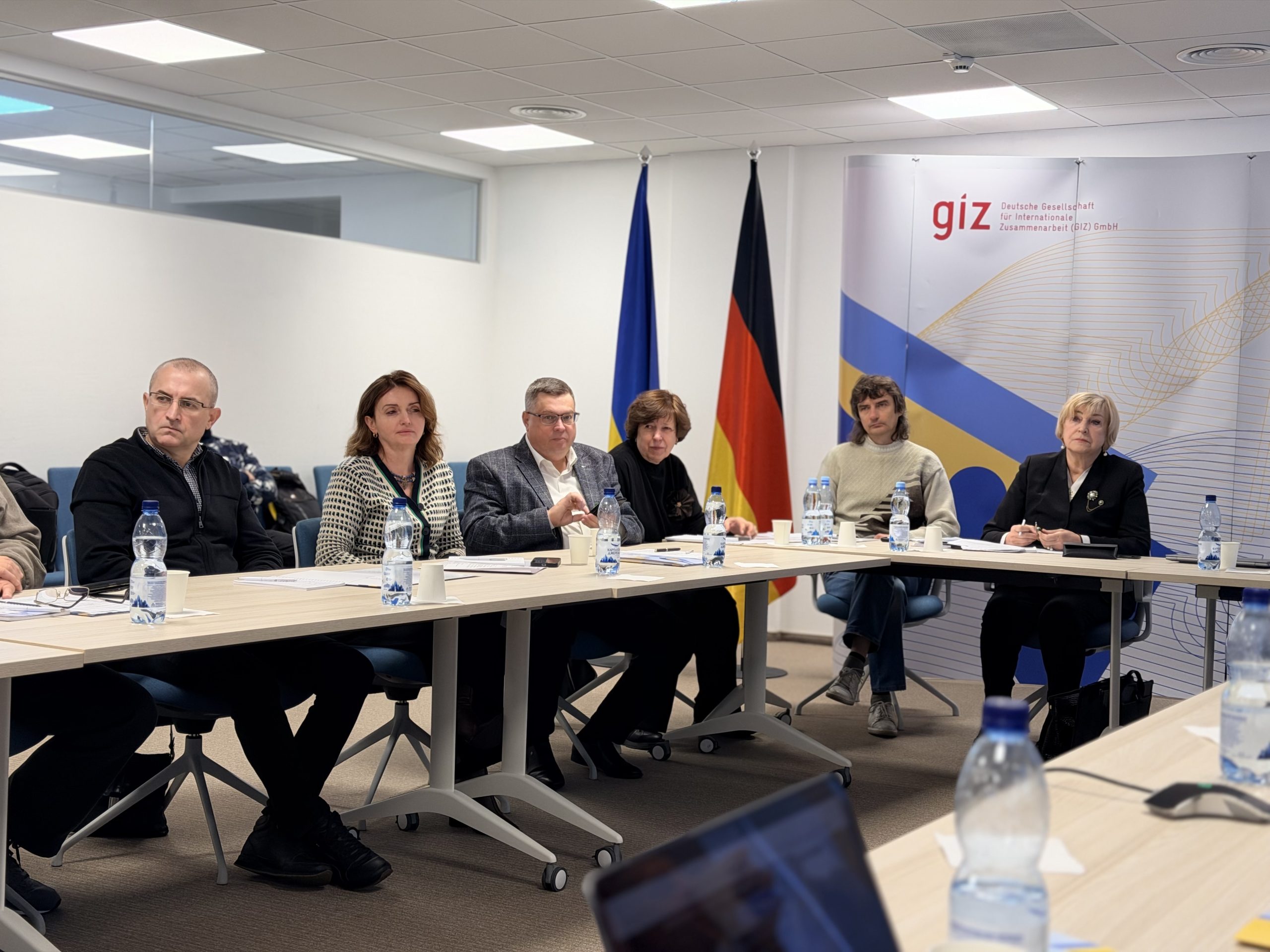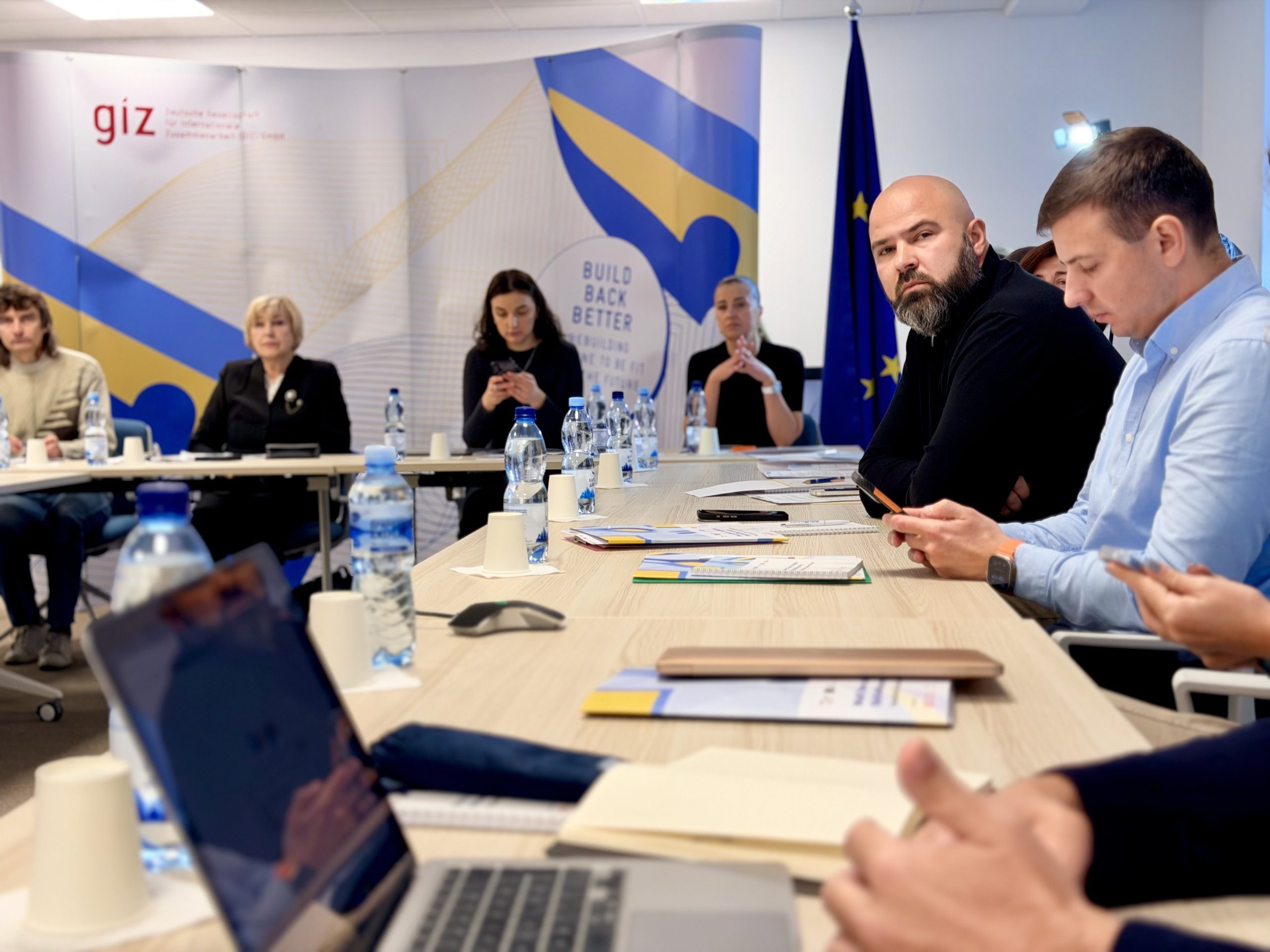
On 5 November, the third sectoral consultation on developing a Roadmap to Address Workforce Needs in Ukraine’s Transport and Logistics Sector took place in Kyiv. Participants reviewed 31 proposed actions and used an online vote to identify those they considered most important.
The meeting was held in a hybrid format as part of the Multi Donor Initiative Skills4Recovery, in cooperation with the Association of International Road Carriers of Ukraine (AsMAP). It brought together representatives of the Ministry for Recovery, Infrastructure and Transport of Ukraine, the Ministry of Education and Science, the State Employment Service, transport and logistics companies, education providers and experts. The consultation was moderated by Dmytro Bespalov, a transport planning expert and co-author of the Roadmap.
During the two previous consultations, participants identified the sector’s main workforce challenges and developed a shared vision and objectives across six areas. This time, the focus shifted to specific actions, potential responsibilities and practical steps to be included in the Roadmap.
“We are ready to do everything required of a policymaking body to ensure the labour market has the workers it needs,” said Oleksandr Diachenko, Head of the Department of Domestic Road Transport at the Ministry for Restoration, Infrastructure and Transport of Ukraine.
According to Diachenko, joint solutions could address occupational standards, regulatory requirements, and workforce training and retraining.
The Roadmap is being developed around the needs of employers. Their input is essential to identifying the changes the sector requires and the most effective ways to address its challenges.
“A roadmap is a tool used in Germany as a platform for dialogue between businesses and government. We are trying to work from the bottom up rather than the top down, so that businesses can tell us what they need,” emphasised Michael Paulo, Programme Director of Skills4Recovery.
One of the sector’s main challenges remains the shortage of drivers, mechanics and other technical specialists. Business representatives stressed that the government needs reliable data on companies’ workforce needs to plan training effectively. Discussions also covered simplifying and digitalising permit procedures and reviewing regulations that no longer reflect how transport companies operate.
To bring vocational education and training (VET) closer to employers’ needs, participants proposed updating curricula in cooperation with businesses, expanding dual VET, involving industry professionals in teaching, establishing qualification centres and increasing opportunities for short-term retraining.
Oleksandr Hohulia from Transkomgroup LLC shared an example of practical cooperation with education providers. The company works with a technical college and the AsMAP training centre. Prospective drivers receive training and practical experience at the company, which employs young professionals and invests in their further specialised training.
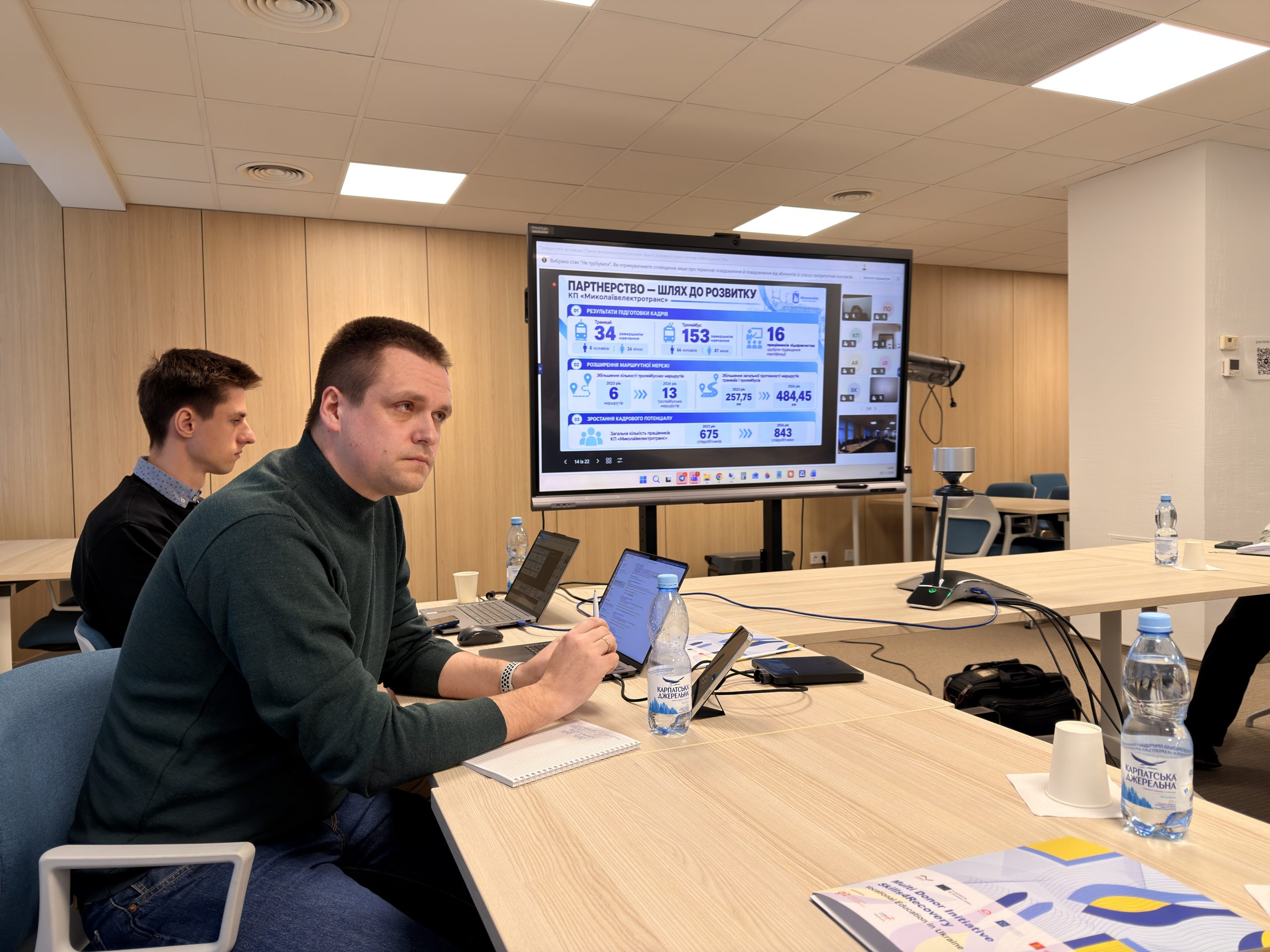
Two other examples highlighted opportunities for women in the transport sector. According to Yurii Smetana, Director of the municipal transport company Mykolaivelektrotrans, donor support has enabled the company to train and employ 34 female tram drivers and 153 female trolleybus drivers. Yuliia Bilous from the Foundation for Institutional Development presented She Drives, a project helping women enter the profession of driving large vehicles.
Other proposals for the Roadmap included expanding training programmes for women, veterans, young people and older workers; recognising skills acquired during military service; covering training and certification costs; providing work placements with employers; and adapting working environments.
Ukraine’s EU integration also requires changes to workforce training in the transport sector. Discussions covered aligning qualification requirements with EU standards, training transport managers, preparing drivers to meet Code 95 requirements (certification of drivers’ professional competence), and digitalising qualification verification procedures.
Participants also highlighted the need for better coordination between relevant ministries and closer alignment of government and donor-funded programmes to avoid duplication of efforts.
The outcomes of the consultation and online vote will inform further work on the Roadmap. The draft will be shared with participants for additional feedback, with finalisation planned by the end of November 2026.
The Roadmap is intended to help businesses, government, education providers and international partners agree on priorities, identify concrete steps to address workforce shortages and establish ways to monitor their implementation.
The Roadmap to Address Workforce Needs in Ukraine’s Transport and Logistics Sector is being developed as part of the Multi Donor Initiative Skills4Recovery, jointly co-funded by the European Union, Germany, Poland, Estonia and Denmark and implemented by Deutsche Gesellschaft für Internationale Zusammenarbeit (GIZ) GmbH and Solidarity Fund PL (SFPL).