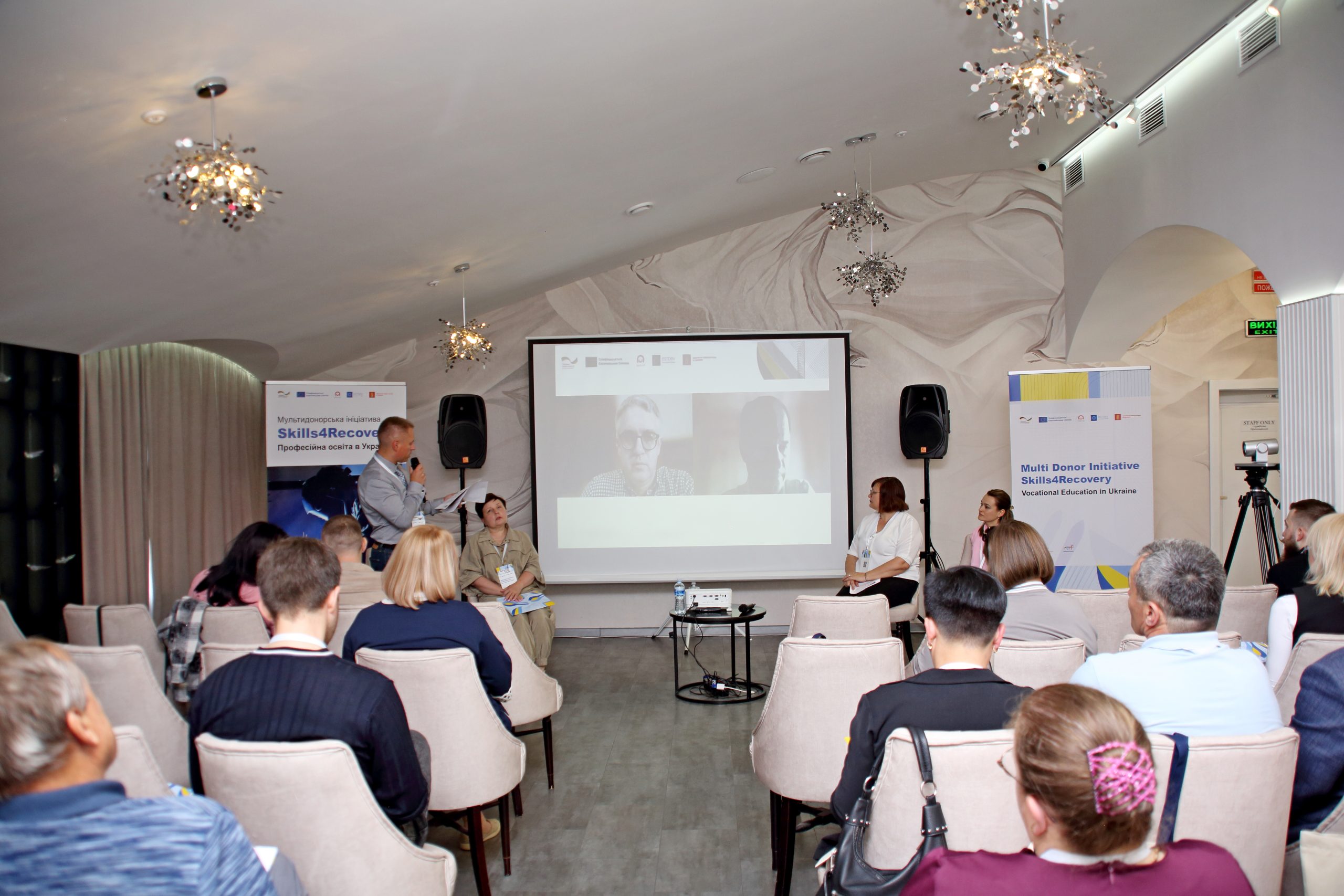
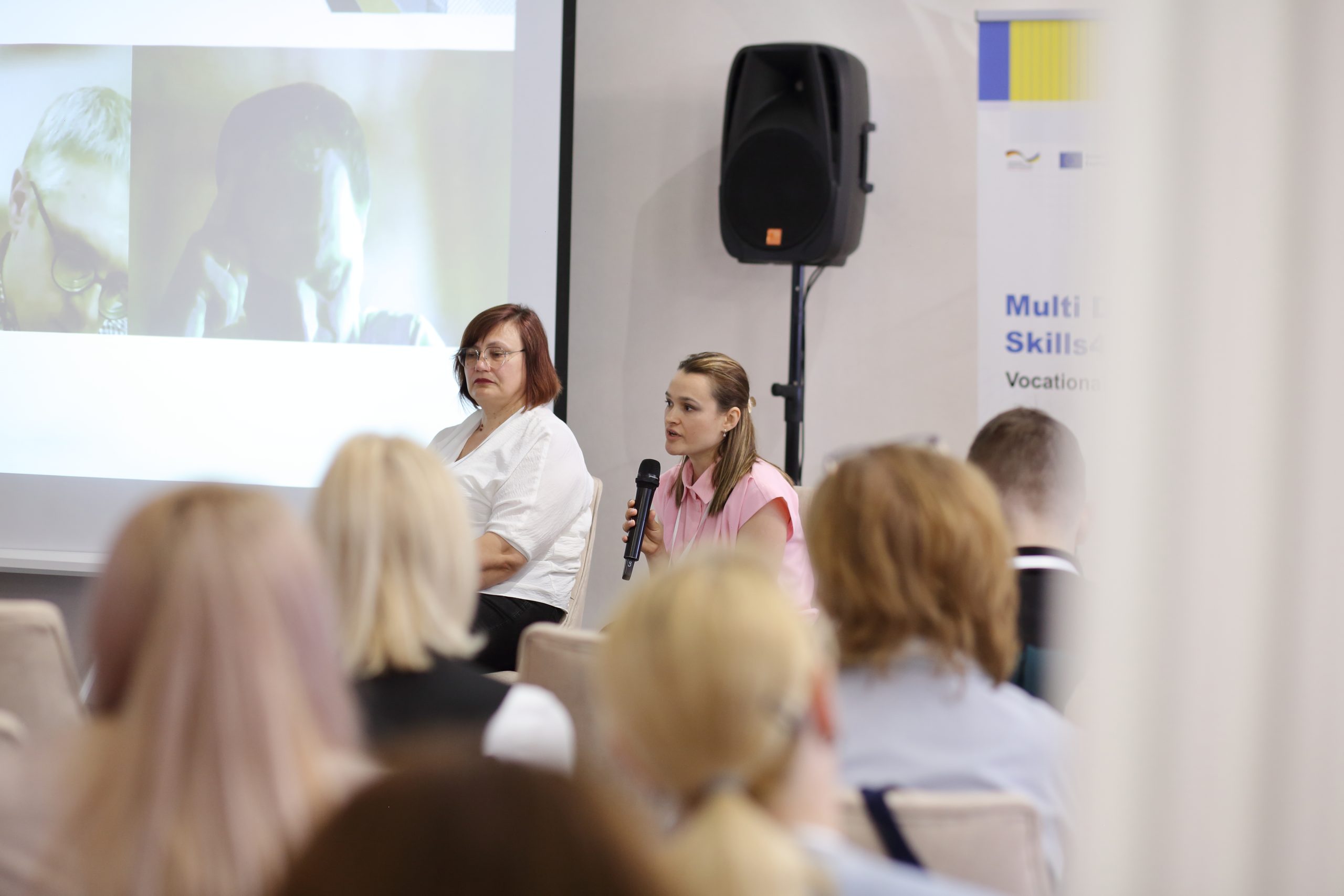
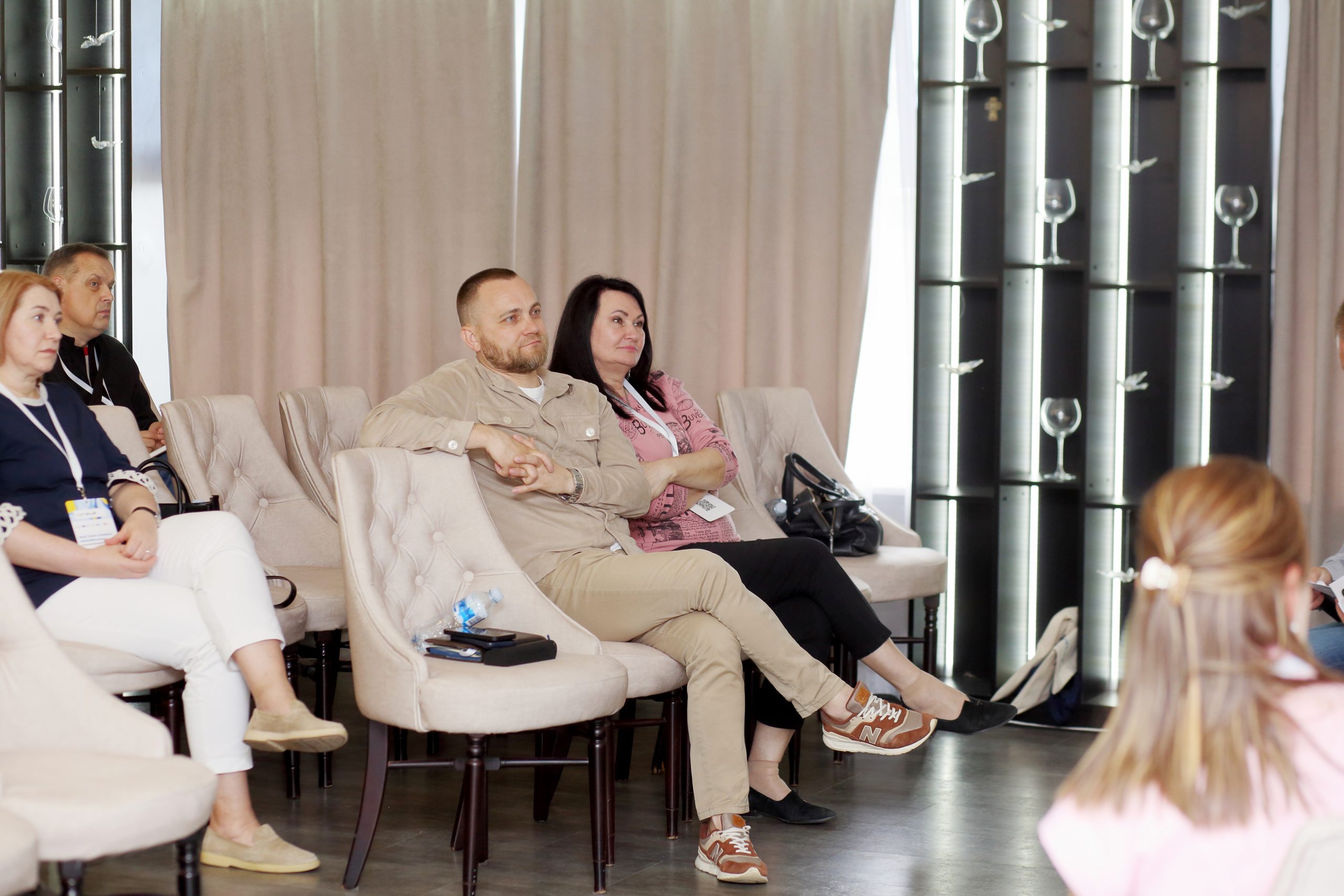
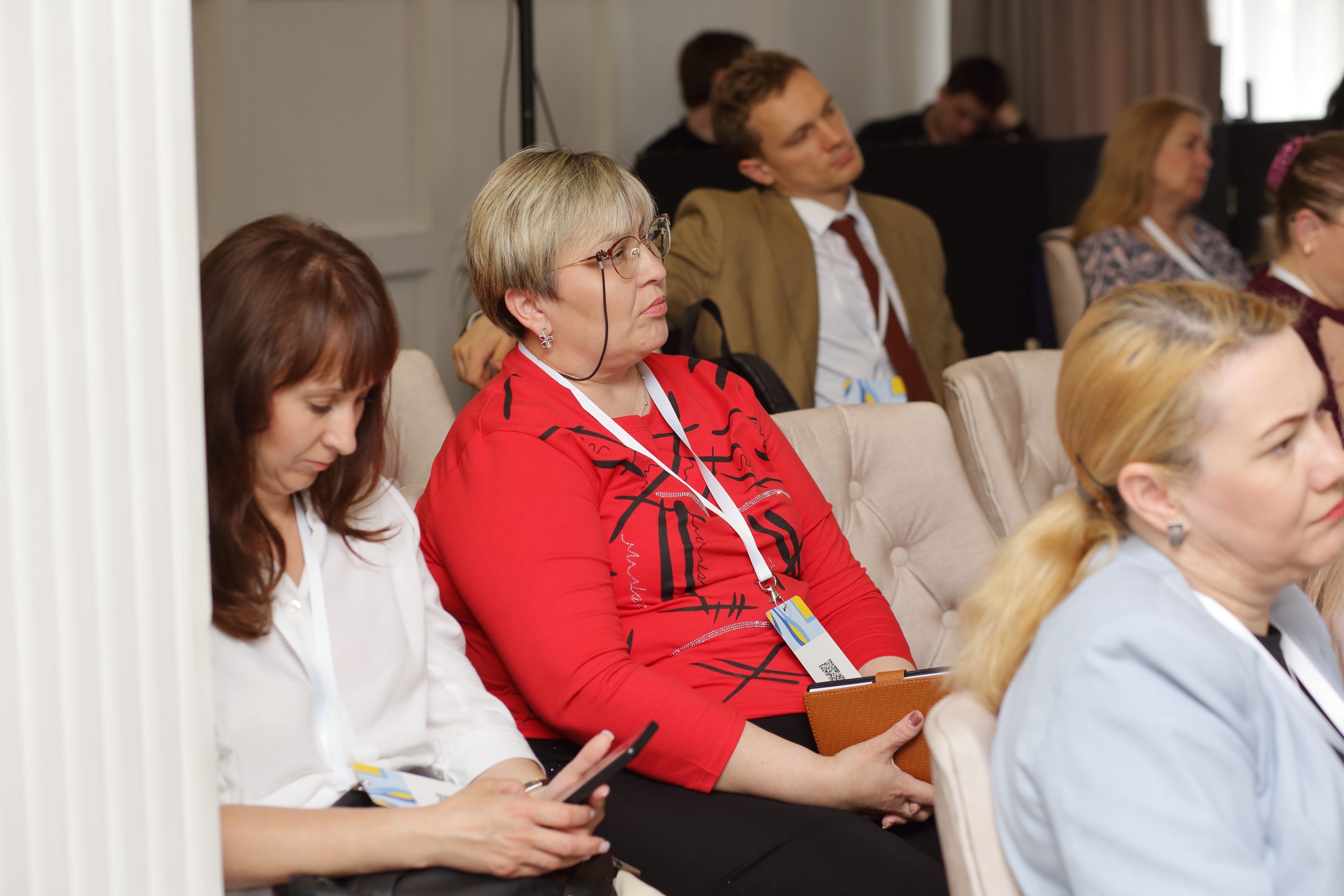
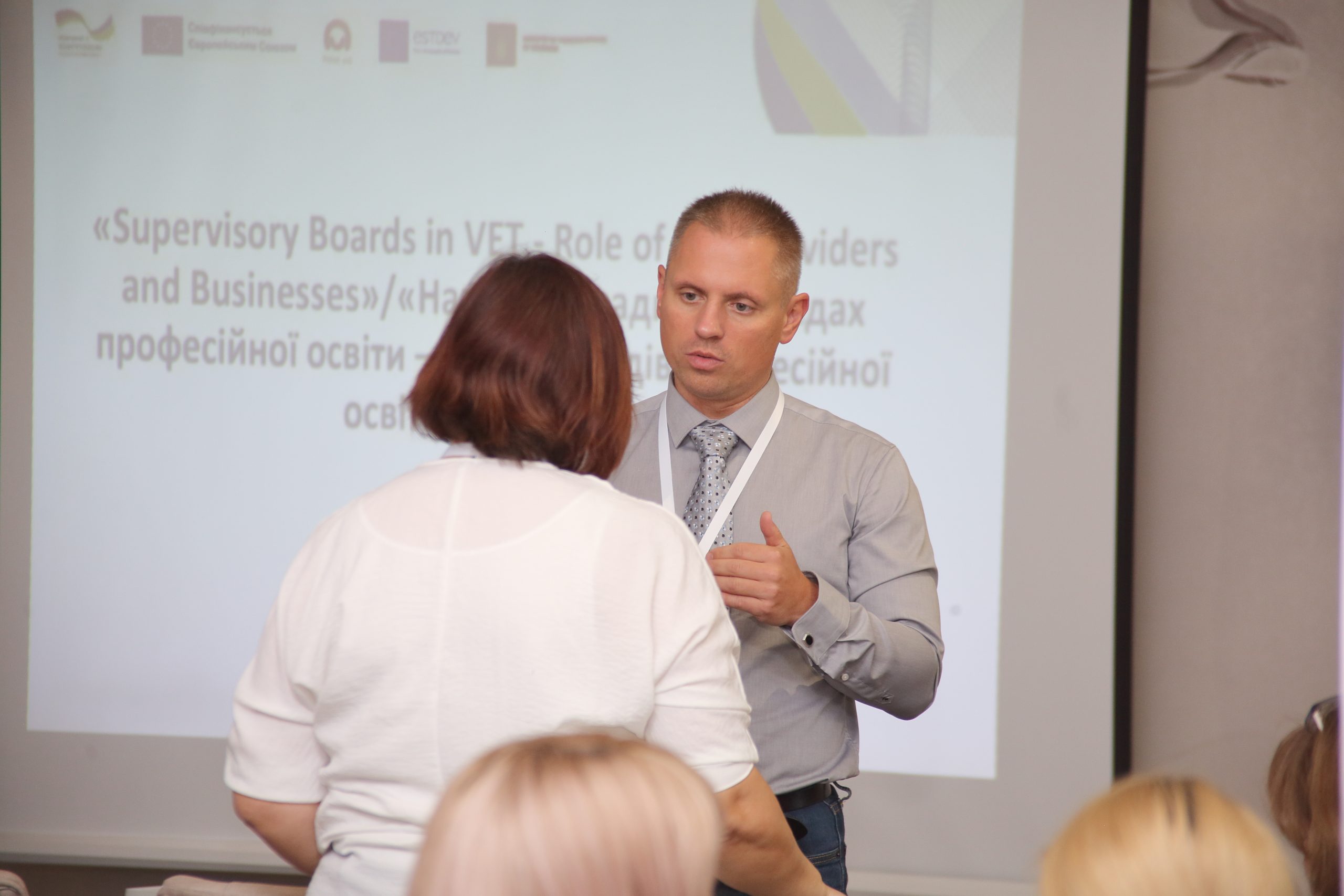
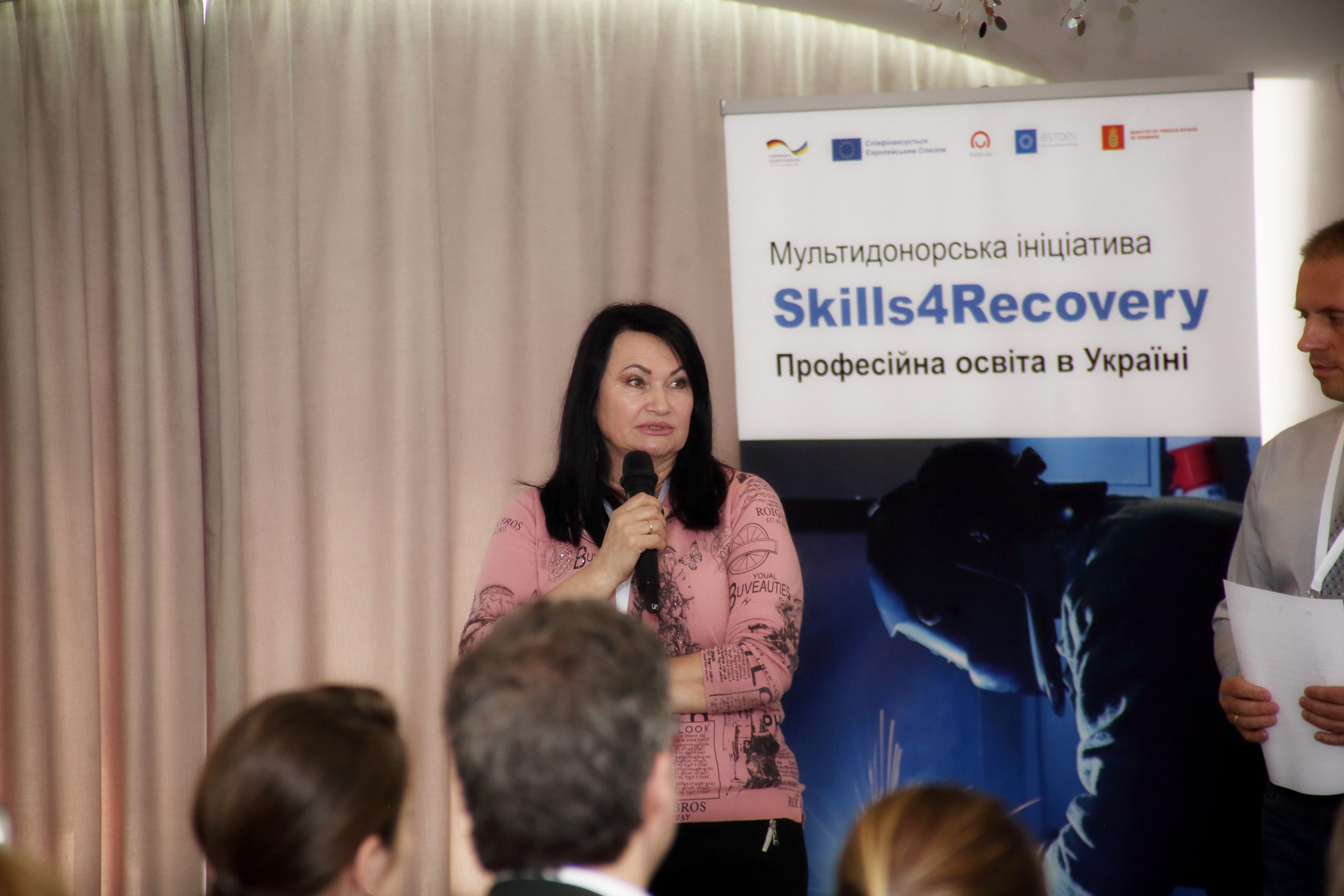
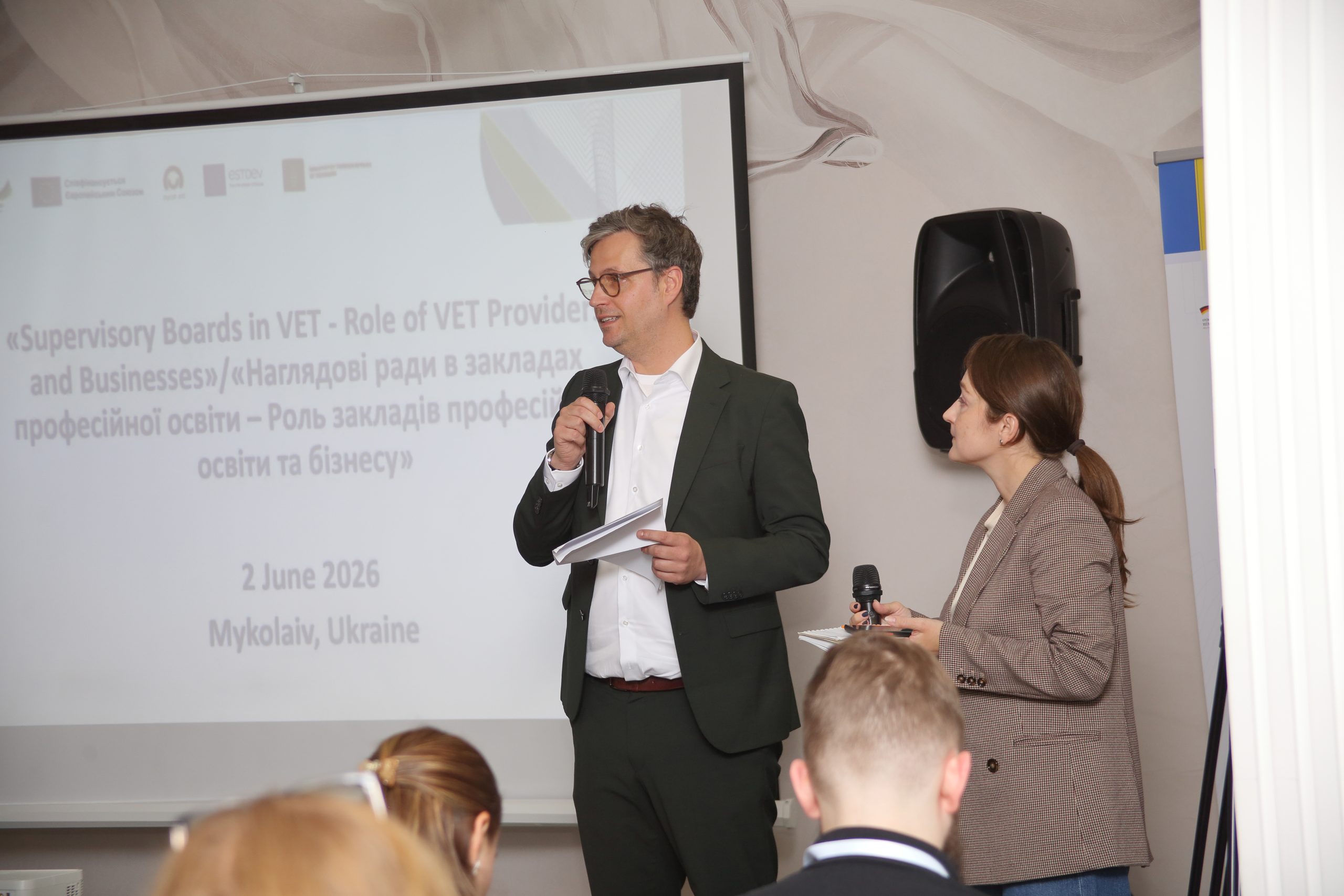
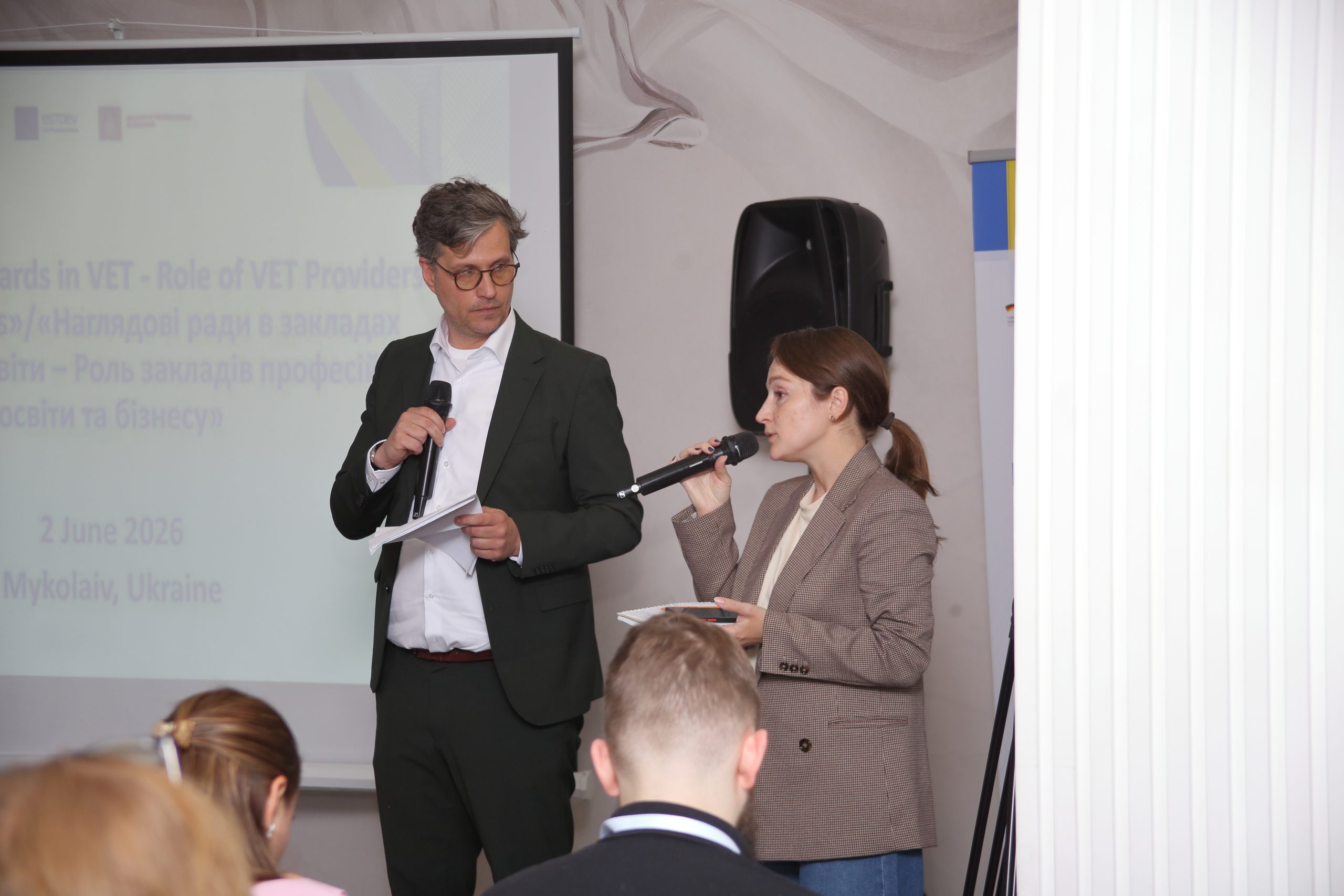
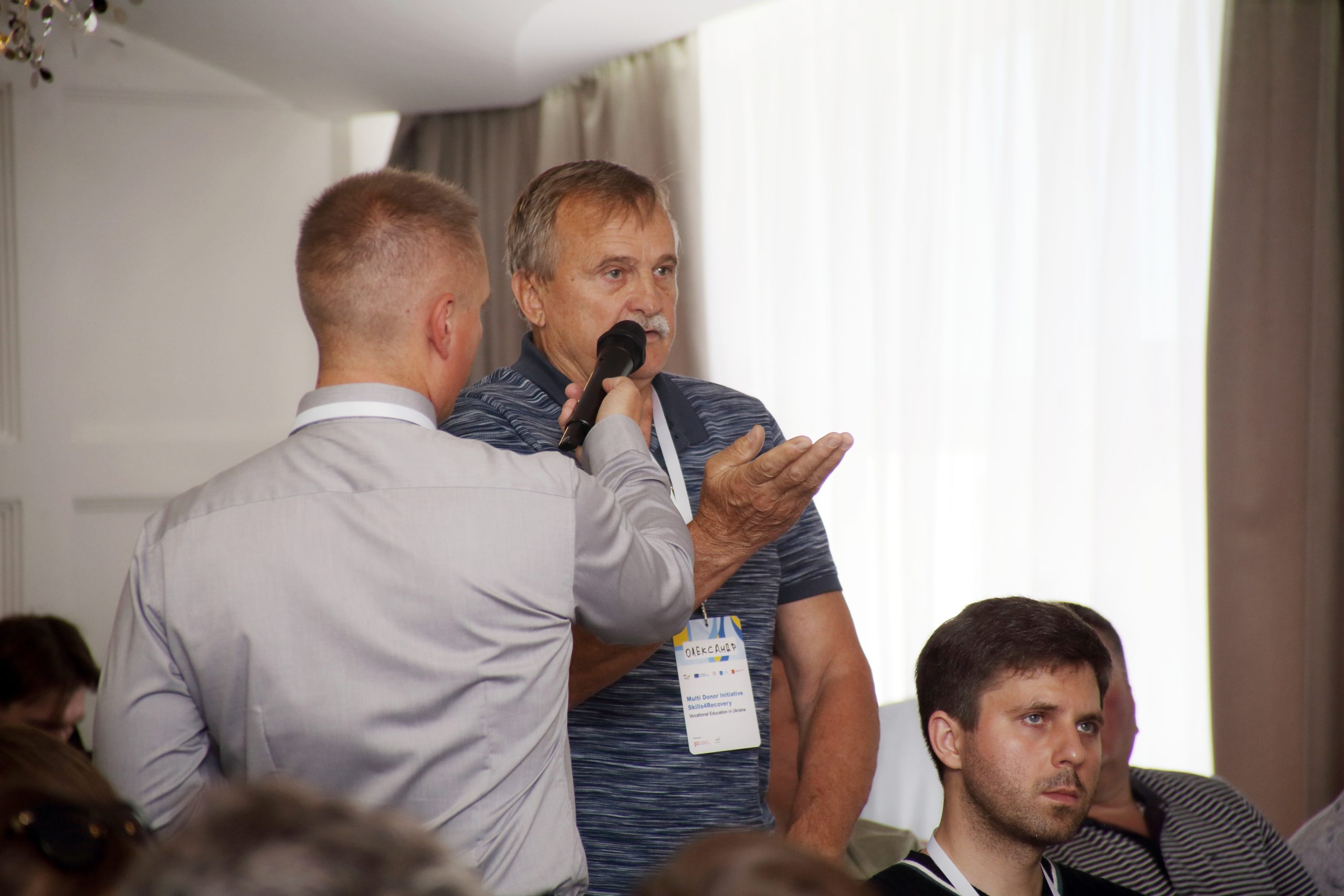
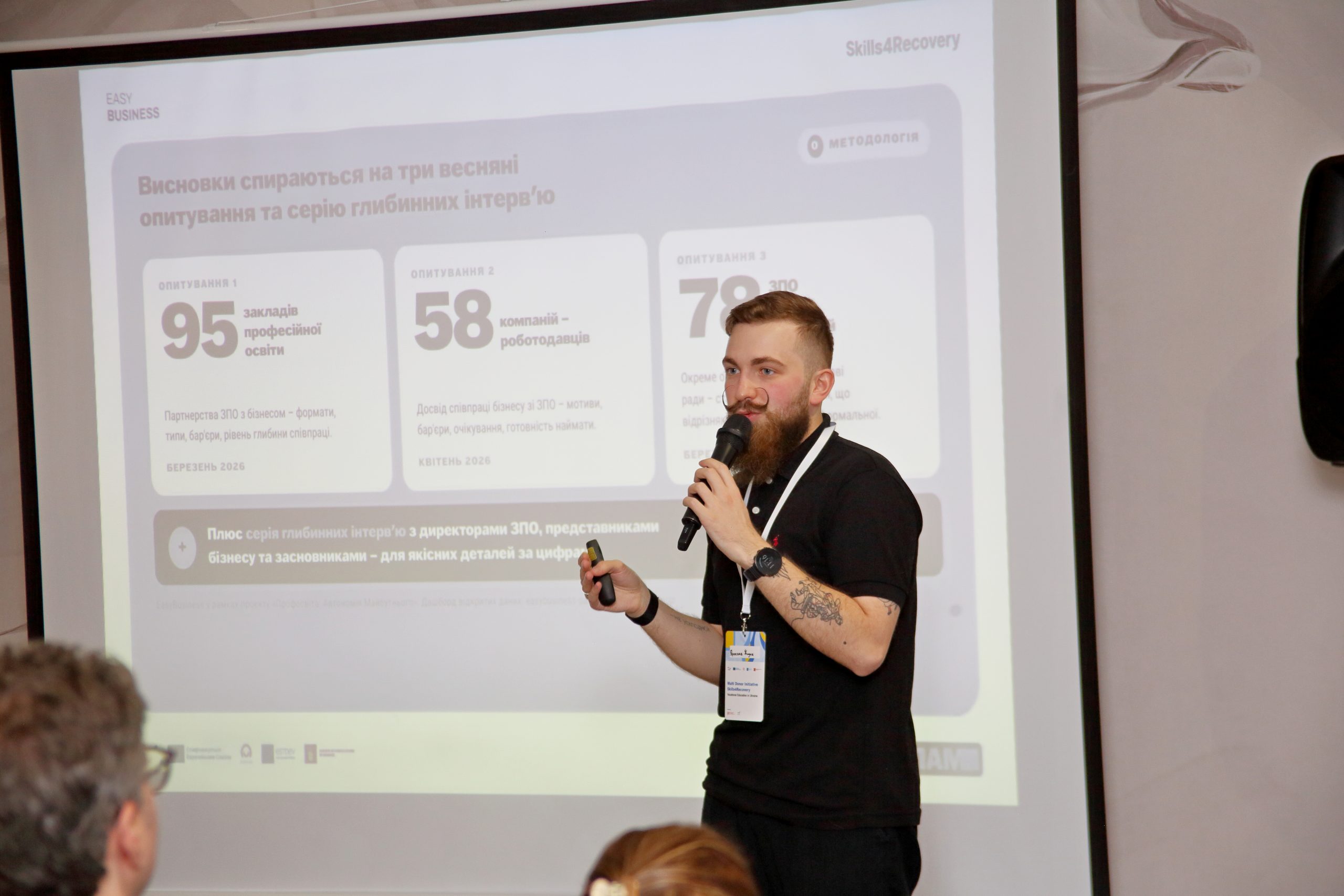
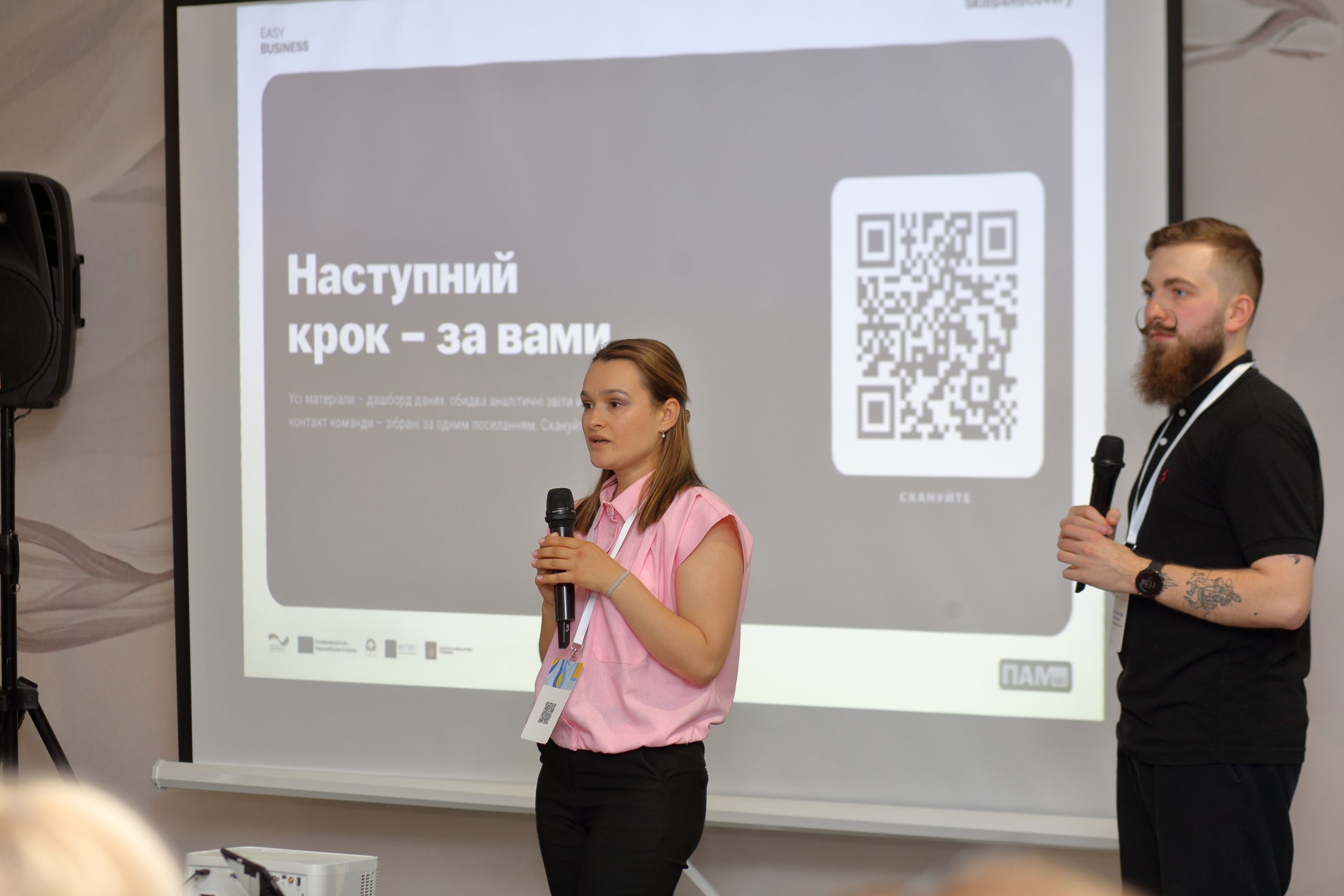
The Mykolaiv region has around 10,000 young people in vocational education, yet some 4,000 vacancies remain unfilled on its regional employment portal. Closing that gap was the focus on 2 June 2026, when the Multi Donor Initiative Skills4Recovery brought together representatives from vocational education and training (VET) providers, businesses, regional authorities, and international partners in Mykolaiv for a forum on supervisory boards.
The forum focused on the practical side of implementing the new Law of Ukraine “On Vocational Education”, which requires supervisory boards for state and municipal vocational education institutions with more than 300 learners. Under the law, these boards become a practical tool for giving providers greater autonomy — the ability to make faster, better-informed local decisions and to respond more effectively to regional workforce needs.
That autonomy matters as the Mykolaiv region rebuilds. With strong manufacturing, agricultural, transport, and maritime sectors, the region needs skills systems that can respond quickly to workforce demand and support long-term economic growth.
“Under the new law, supervisory boards take on a completely new role. This is no longer simply an advisory body attached to an institution — it is a governing body with real powers, with equal representation for founders and employers. Management is about influence, and these are precisely the instruments that business has long been asking us for. We hope the experience of the Mykolaiv region can become one of the leading examples of good practice to be shared across Ukraine,” said Iryna Shumik, Director General for Vocational Education at the Ministry of Education and Science of Ukraine.
The event provided a platform for direct dialogue between vocational education institutions and employers and encouraged businesses to take a more active role in governance, skills development, and long-term cooperation. Participants explored how to engage employers in supervisory boards, shared practical experiences of business–VET cooperation, and discussed how to align training programmes more closely with regional labour market needs.
During the sessions, school principals spoke openly about the legal and operational challenges they face, connecting national reform ambitions with regional realities and feeding Mykolaiv’s practical experience back into the broader reform dialogue.
“Today, there are still more questions about supervisory boards than answers. That is exactly why these discussions matter — we need to work through these questions together, share experiences with other regions, and bring practical issues into the broader reform process,” said Liudmyla Komisarova, Deputy Director of the Department of Education and Science of the Mykolaiv Regional State Administration.
The emphasis on local ownership reflects the broader partnership between the Mykolaiv region and Denmark. Since 2022, Denmark has supported Mykolaiv through investments in infrastructure and services, as well as long-term partnerships that strengthen local institutions and improve regional resilience.
“When an employer sits down with a school’s principals and management to discuss what is needed, it becomes a constructive dialogue, built by working together. This is not a model prescribed from Kyiv, Berlin, or Brussels; it can be Mykolaiv’s own platform for deciding how to modernise skills development and bring the people the economy needs into the labour market,” said Michael Paulo, Programme Director, Skills4Recovery.
About Skills4Recovery
The Multi Donor Initiative Skills4Recovery supports initial and further training for the workforce in five economic sectors that are important for Ukraine’s recovery: construction, transport, agriculture, services, and manufacturing. The programme helps people to gain the relevant skills for employment, while supporting employers in reaching qualified workers.
Skills4Recovery is jointly co-financed by the European Union, Germany, Poland, Estonia, and Denmark. It is implemented by the Deutsche Gesellschaft für Internationale Zusammenarbeit (GIZ) GmbH and the Solidarity Fund PL (SFPL). The programme runs until December 2026 and covers all regions of Ukraine.