

Natalia Nitishevska: from healthcare worker to maintenance fitter
“A new profession today means having an additional source of support in life. No one knows where I will be in a month, or where my husband will be. I want to gain skills that are so needed in the country right now. I’m learning with great enthusiasm, and the teachers are always ready to help and support us,”
says Natalia Nitishevska, a participant in the Skills for Inclusion project in Vinnytsia
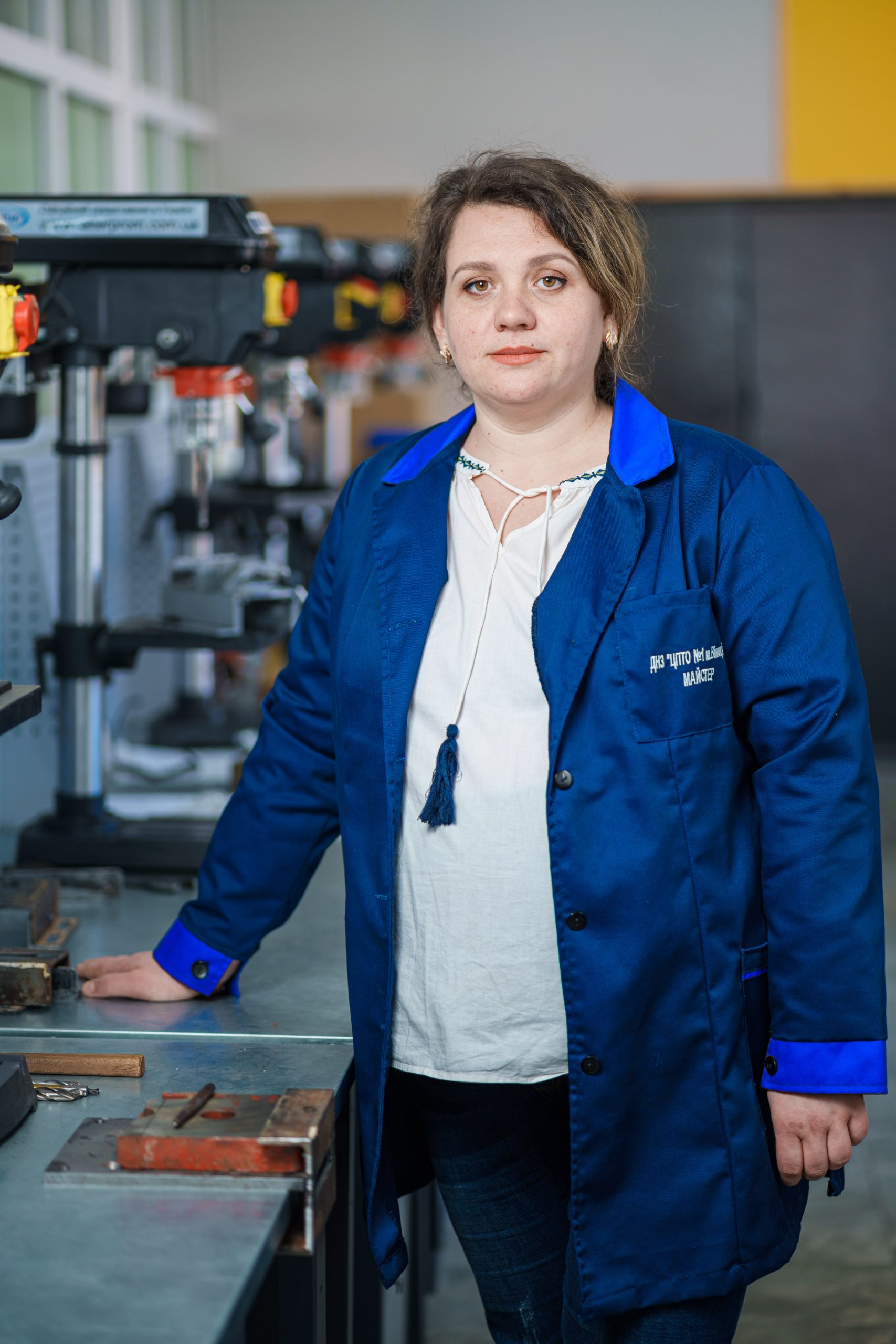
Natalia trained as a midwife and, after completing her studies, worked at the Mother and Child Centre in Vinnytsia. In 2014, she was called up for military service and spent over a year as a military medic in eastern Ukraine. After leaving the service, she started a family and is now raising two children. The family is currently expecting their third child.
After the full-scale invasion began in 2022, Natalia was unable to return to service because of her young children. She decided to gain practical skills that could be used in everyday life and serve as an additional source of support.
She enrolled in a maintenance fitter training program at the State Vocational Education and Training Institution “Vinnytsia VET Centre No. 1” under the Skills4Recovery.
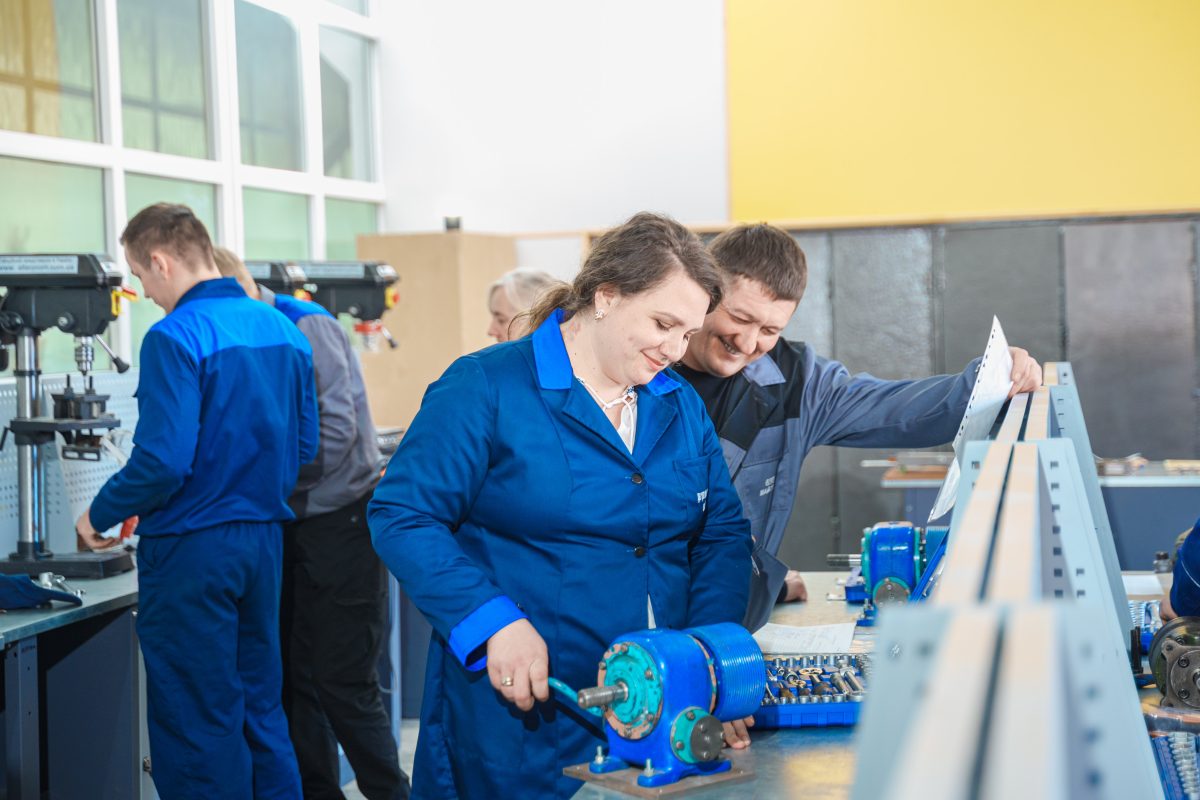
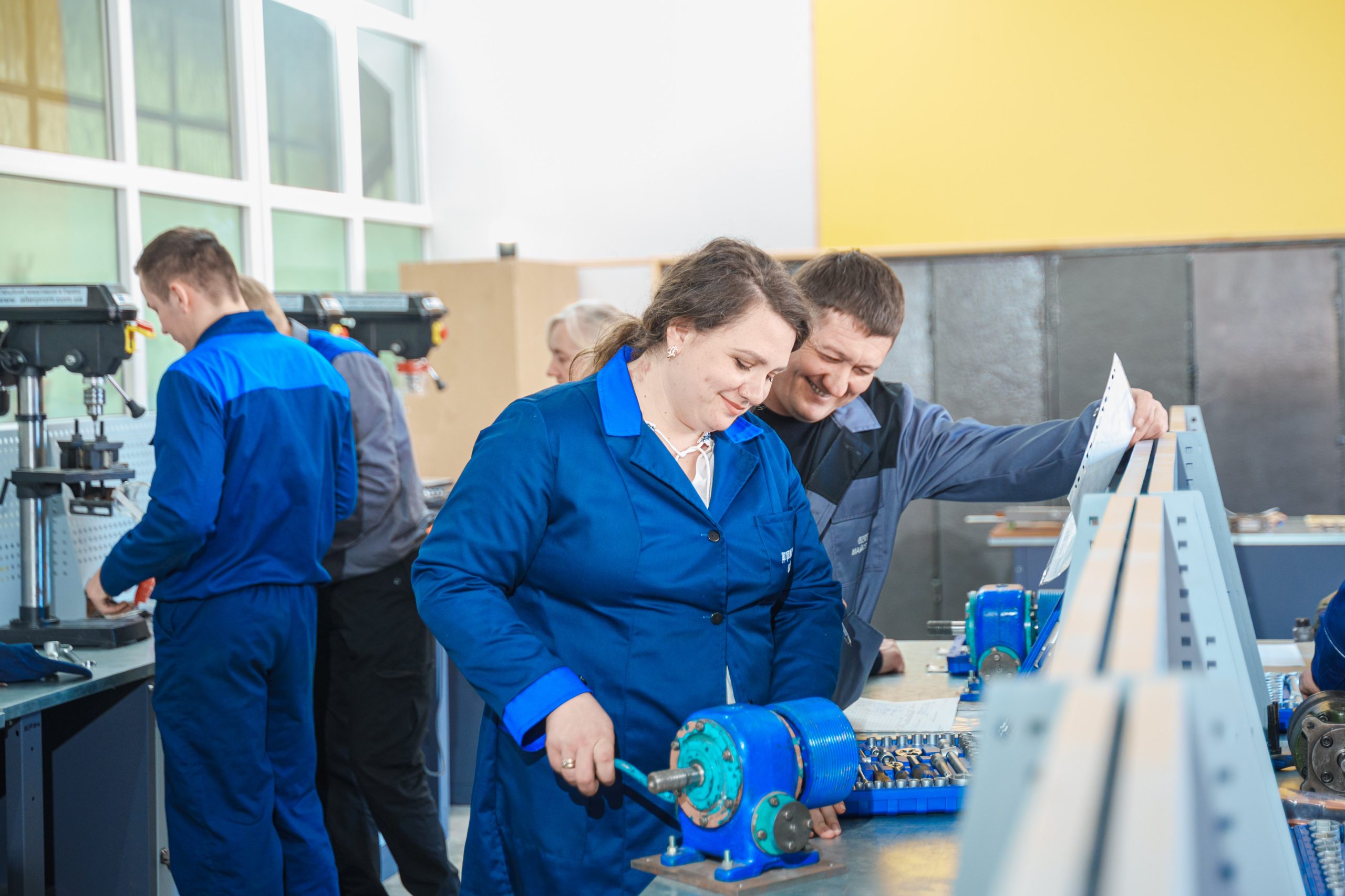
Natalia during practical training
During her training, Natalia has already developed a range of practical skills: she rivets, works with threads, assembles and disassembles gearboxes, and uses hand tools. She is already applying some of these skills at home, including repairing household appliances on her own. Next, she plans to try her hand at car repair.
“I’m very motivated: in the morning I take my daughter to school, my son to nursery, and then I head straight to my classes,” Natalia says.
Alongside practical skills, one of the most important outcomes for Natalia has been increased confidence and a strong sense of support.
“Taking part in this project has been a very valuable experience for me. What I remember most is the atmosphere of support and acceptance. You could really feel that you were not alone, that you were heard and understood. I gained not only new knowledge, but also confidence in myself and my abilities. I would strongly encourage women not to be afraid to take up these professions,” she adds.
Natalia’s experience shows that vocational education and training delivers practical results already during the learning process, particularly through skills that can be used in everyday life. For participants, it is also an opportunity to broaden employment options and better adapt to labour-market changes.
Background
The project “Skills for inclusion: workplace training for the activation of vulnerable groups” is implemented by the NGO “Ukrainian Professional Development” with financial support from the European Union, Germany, Poland, Estonia and Denmark within the Multi Donor Initiative Skills4Recovery, implemented by Deutsche Gesellschaft für Internationale Zusammenarbeit (GIZ) GmbH and the Solidarity Fund PL (SFPL).