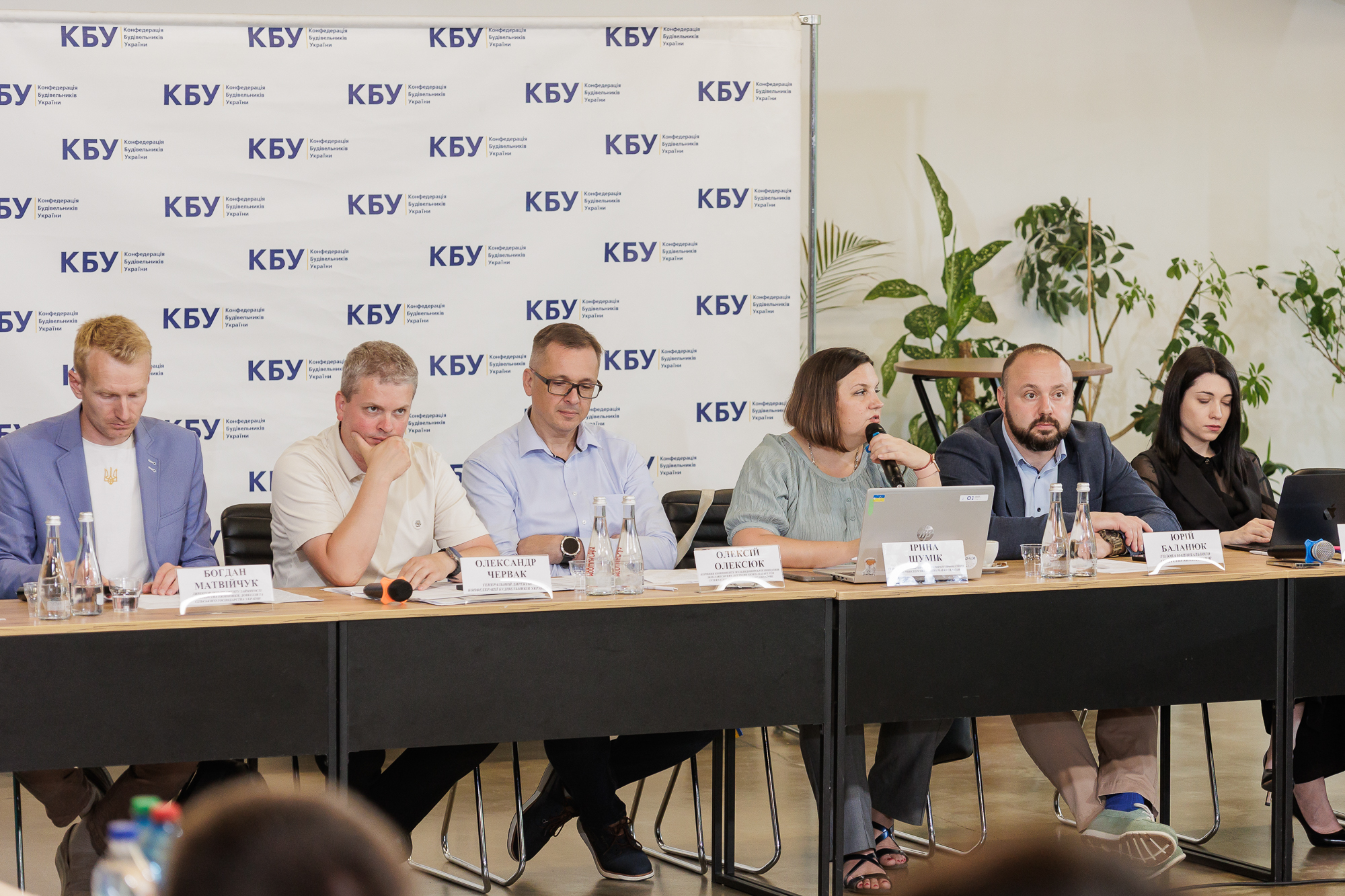
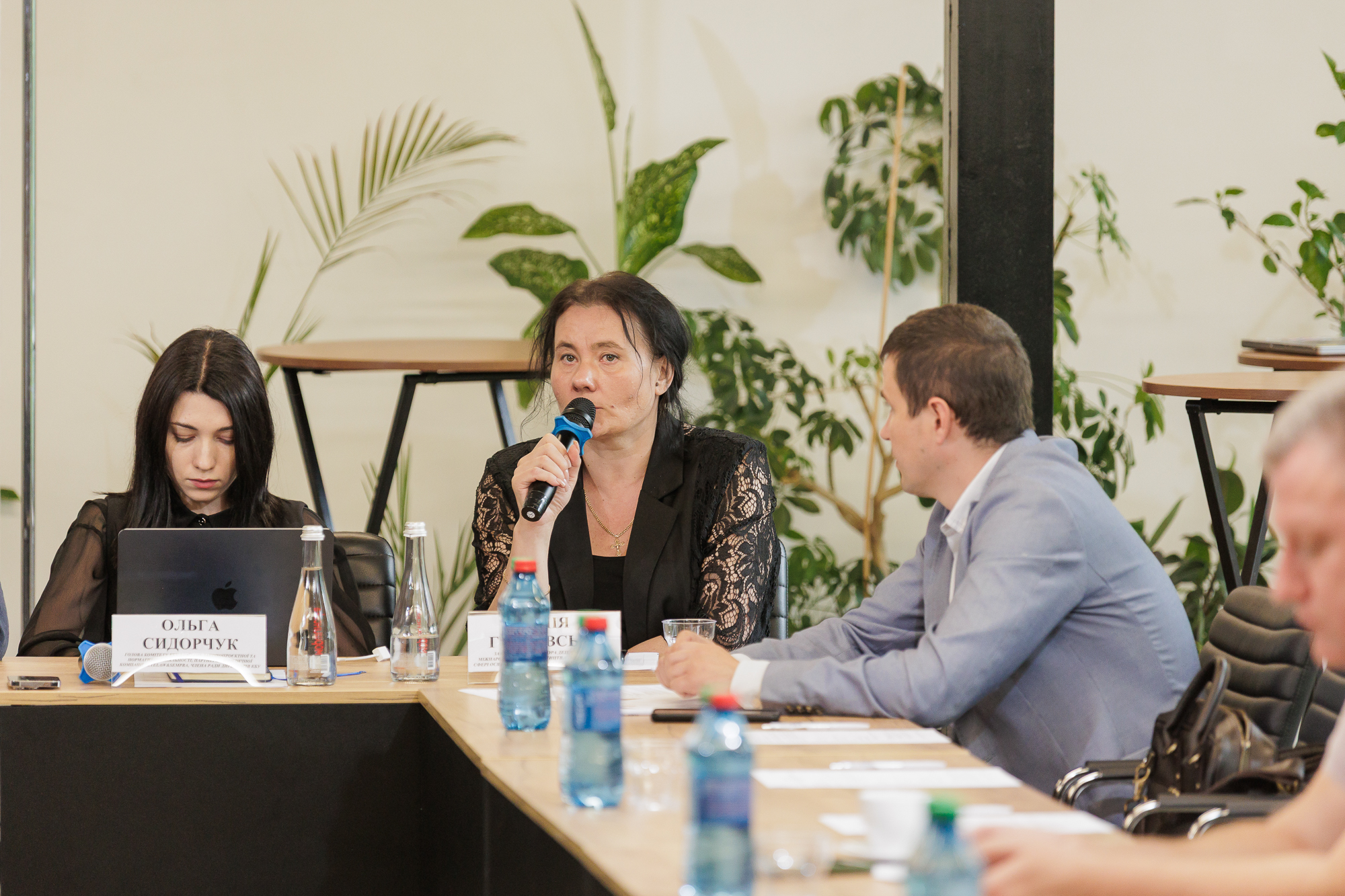
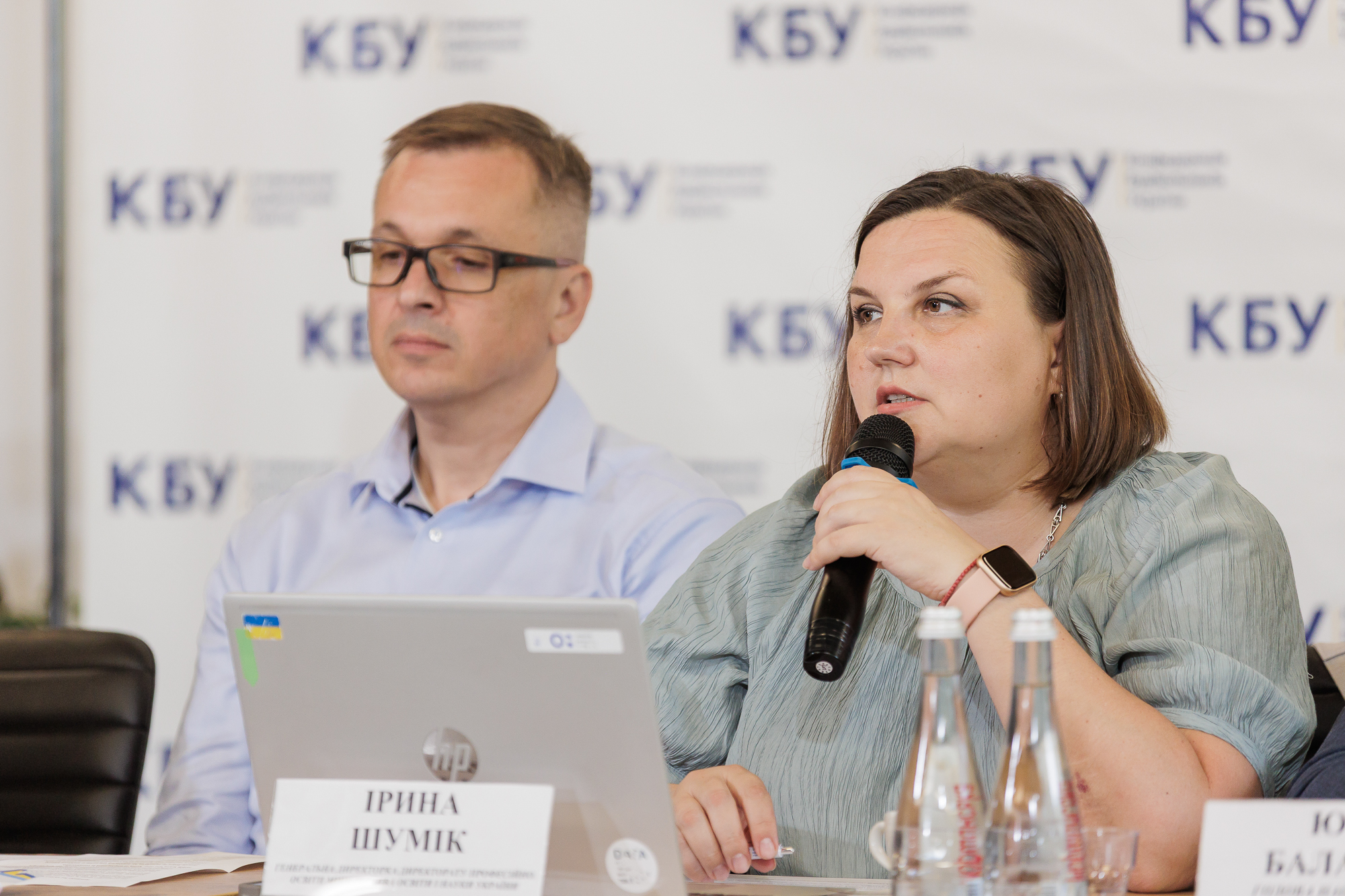
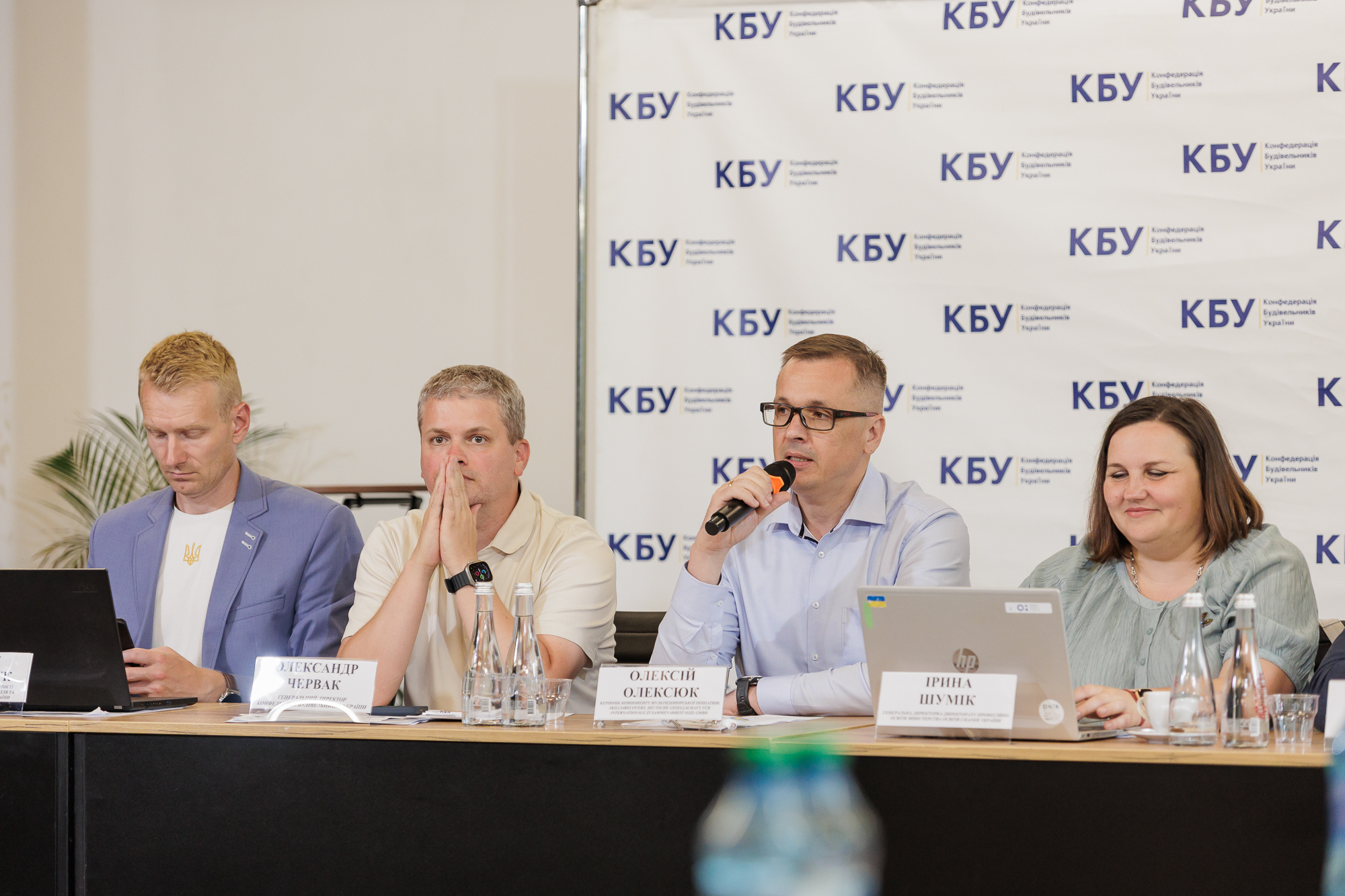
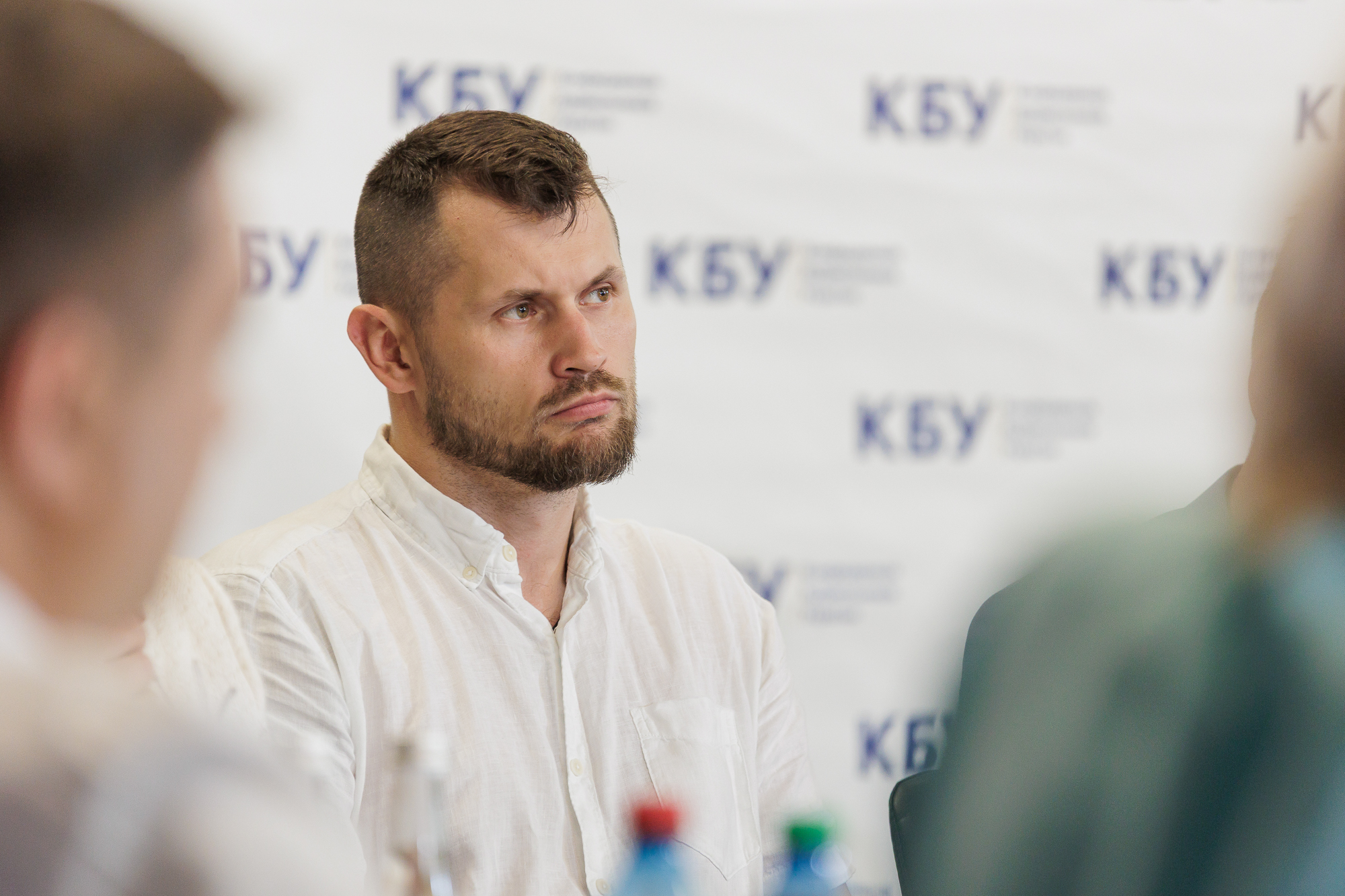
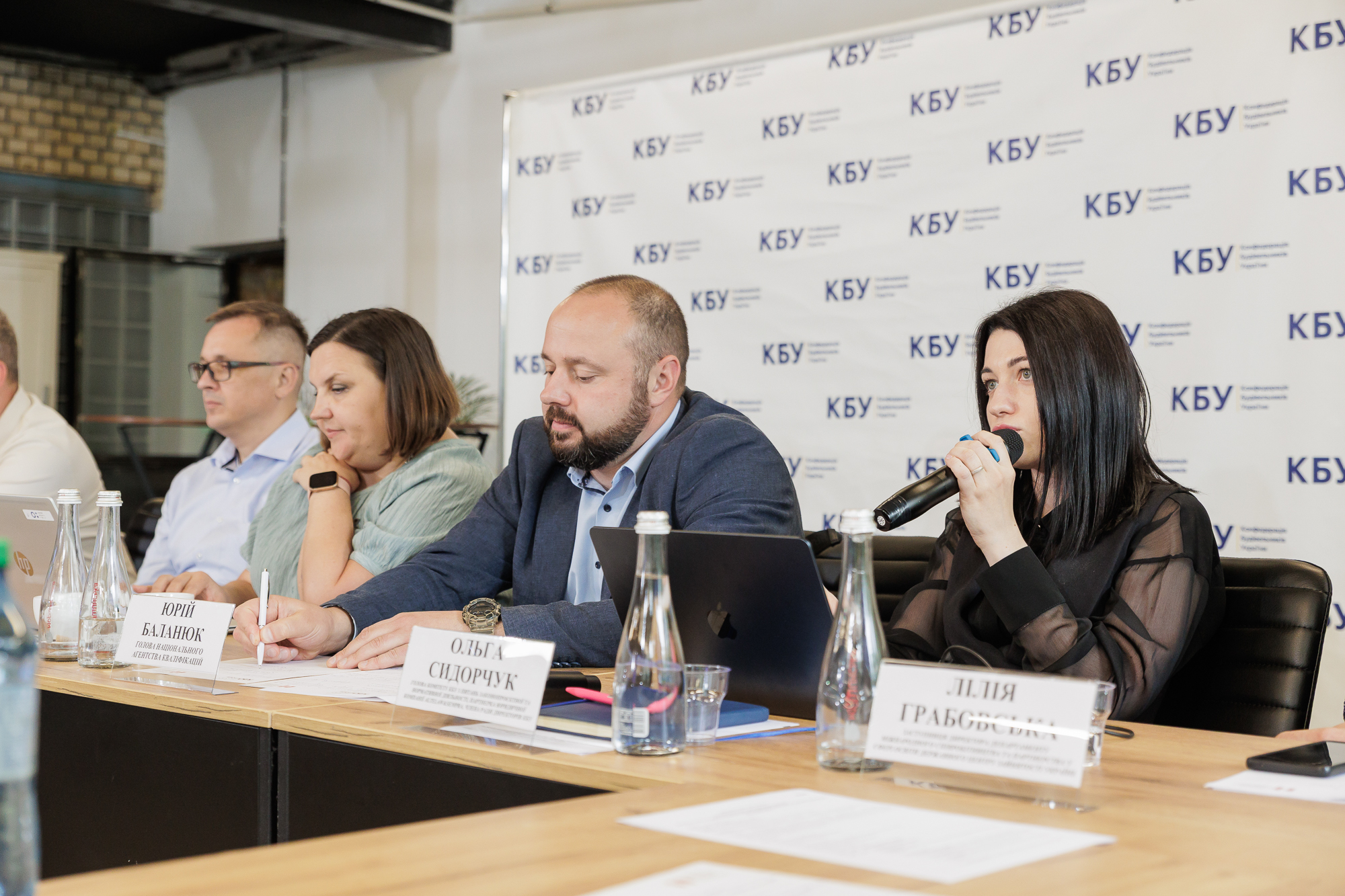
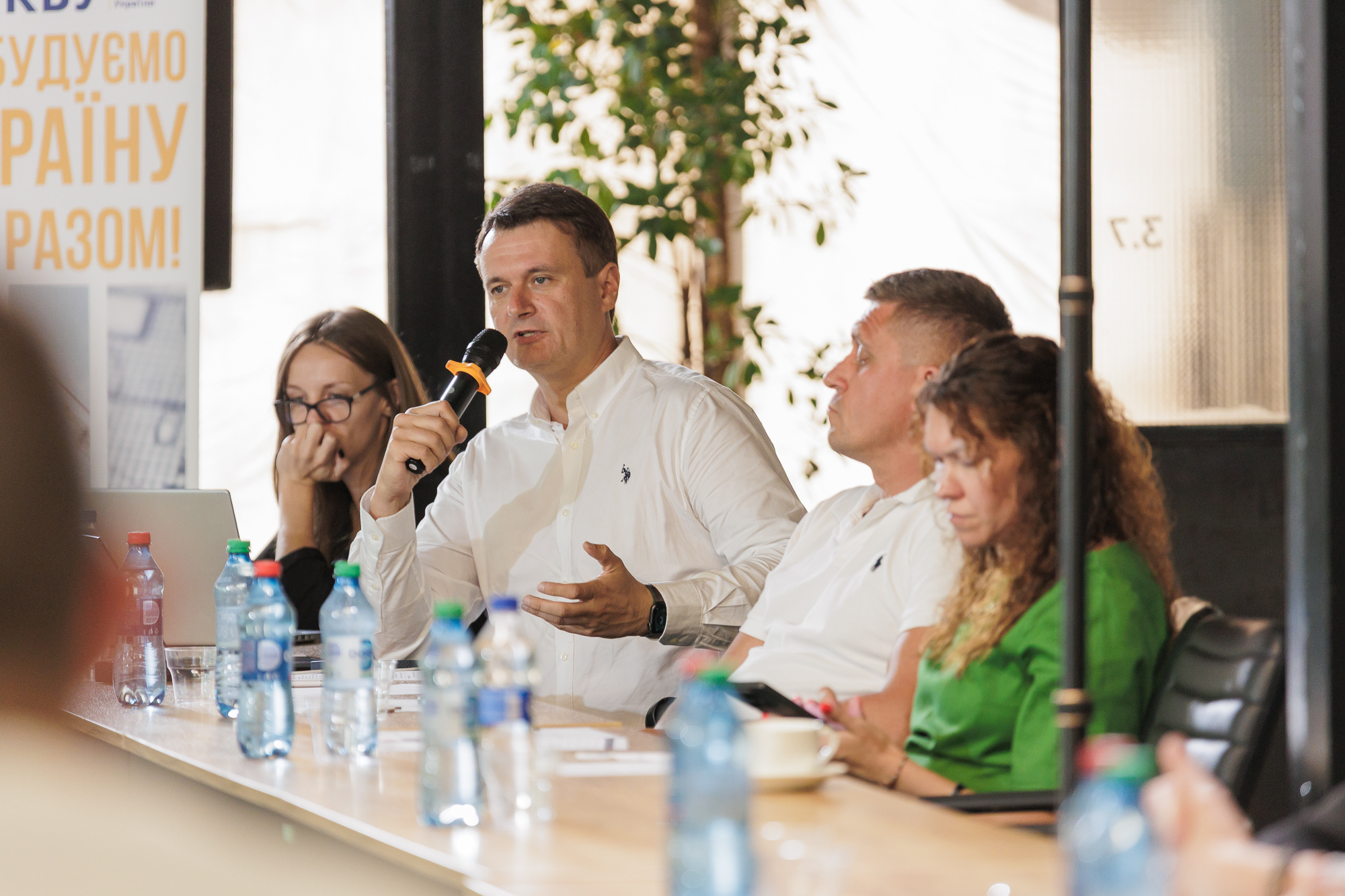
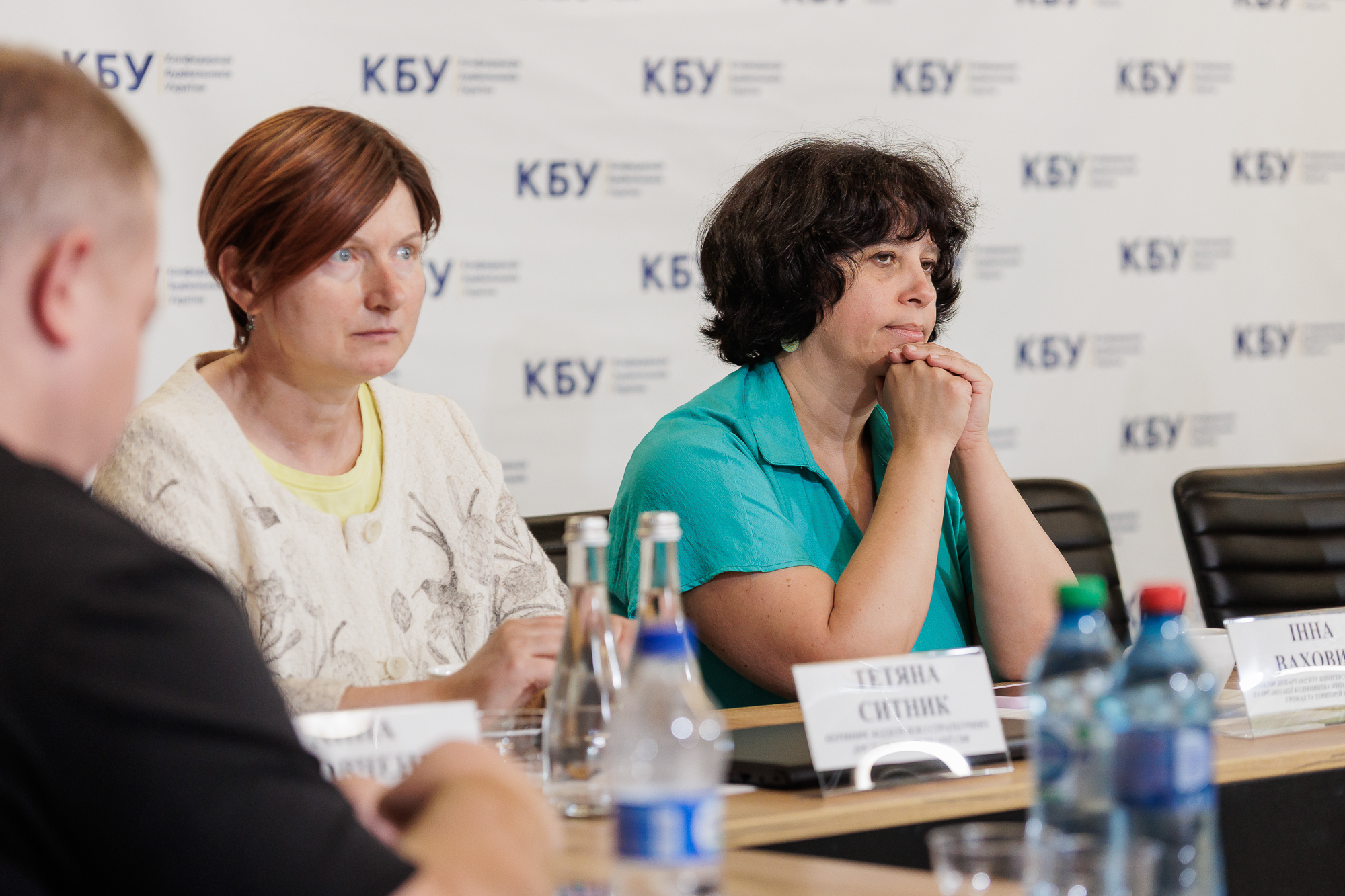
On 14 July 2026, a roundtable entitled “Construction Workforce for Ukraine’s Recovery: Roadmap for Developing the Workforce Capacity of Ukraine’s Construction Sector for 2026–2030” was held in Kyiv. The event was organised by the Confederation of Builders of Ukraine as part of the Multi Donor Initiative Skills4Recovery.
Representatives of government, construction companies, sector associations, education and training providers, the State Employment Service, the National Qualifications Agency, trade unions and international organisations discussed one of the key challenges facing Ukraine’s recovery: the shortage of qualified workers and the mismatch between their skills and the sector’s current needs.
The construction sector will directly shape the pace of rebuilding homes, social facilities, and transport and engineering infrastructure. At the same time, the sector is facing an acute labour shortage, compounded by mobilisation, migration, demographic change and unstable demand.
According to the State Employment Service, around 6,000 construction vacancies are currently listed on the Unified Job Portal, while only about 2,000 registered jobseekers have relevant experience or qualifications. At the same time, of approximately 4,000 training vouchers issued this year, only around 100 were for construction-related occupations and specialisms.
Demand for workers will continue to grow. According to a labour market forecast presented by the Ministry of Economy, Environment and Agriculture of Ukraine, the number of people employed in construction will need to rise from approximately 520,000 today to 1.2 million by 2036. This will require not only attracting new workers, but also rapidly reskilling people, strengthening cooperation between businesses and education providers, and making greater use of practical training formats.
The first comprehensive study of construction companies’ workforce needs
A central part of the roundtable was the presentation of the first comprehensive sector study of demand for skilled trades in construction. No previous study of this scale had focused specifically on employment models, recruitment, workforce training and cooperation between businesses and vocational education and training providers in the construction sector.
The study was conducted by CBR between April and June 2026. It combined a survey of a representative sample of 200 construction companies with 20 in-depth interviews involving representatives of businesses, construction materials manufacturers, sector associations, trade unions, vocational education and training providers, and public authorities.
The findings were presented by Tetiana Sytnyk, Head of B2B and Strategic Research at CBR.
The study showed that the challenge is both quantitative and qualitative. The occupations in highest demand include welders, bricklayers, electrical installers, concrete workers, electricians and plumbers. Companies struggle to find candidates in general, and those entering the labour market often lack the practical skills required. Experience and qualification requirements are particularly critical for welders.
Another challenge is that curricula have not kept pace with the technologies, equipment and materials already used by businesses. Study participants estimated that this gap may amount to 20–30 years. Employers therefore expect the vocational education and training system to provide more practical learning, modernise training facilities and involve businesses more actively in preparing specialists.
At the same time, the study showed that companies are ready to be part of the solution:
- 77% of respondents already cooperate with education providers, although mainly by offering student placements and recruiting graduates;
- 65% are prepared to recruit people without previous experience and finance short-term training for them;
- 34% are prepared to partly or fully cover the cost of their employees’ training at vocational education and training providers;
- 54% support greater business involvement in developing occupational standards and curricula;
- 47% support the introduction of a unified construction worker ID card to record qualifications, experience, training and authorisations.
However, unstable demand and seasonality discourage long-term investment in workers. Construction companies typically retain a relatively small permanent workforce and engage additional workers and self-employed teams during periods of full capacity. The training system therefore needs to take account not only of conventional employment, but also of project-based work, subcontracting and team-based forms of employment.
A roadmap to address the identified challenges
The study findings formed the basis for discussion of the draft Roadmap for Developing the Workforce Capacity of Ukraine’s Construction Sector for 2026–2030.
The concept was presented by Olha Sydorchuk, Chair of the Confederation of Builders of Ukraine Committee on Legislative and Regulatory Affairs, Partner at Altelaw&Sempra and member of the Confederation’s Board of Directors.
The Roadmap is intended to turn the identified challenges into a coherent action plan for government, employers, education and training providers, and international partners. It proposes a phased approach: identifying priority occupations and regions, launching pilot programmes, testing new training formats in practice, and embedding and scaling up the most effective solutions.
The Sectoral Council is expected to play a distinct role in this model by serving as a permanent platform for coordination between businesses, government and education and training providers.
The results of the pilot programmes — including completion of training, validation of qualifications and participants’ employment — should provide the basis for the system’s further development.
Next step: presentation of the Roadmap
The proposals gathered during the roundtable will be used to finalise the document.
The final Roadmap for Developing the Workforce Capacity of Ukraine’s Construction Sector for 2026–2030 will be presented on 5 August 2026. The presentation will introduce the agreed areas of work and the next steps for putting the proposed solutions into practice.
Skills4Recovery is jointly co-financed by the European Union, Germany, Poland, Estonia and Denmark. It is implemented by Deutsche Gesellschaft für Internationale Zusammenarbeit (GIZ) GmbH and Solidarity Fund PL.