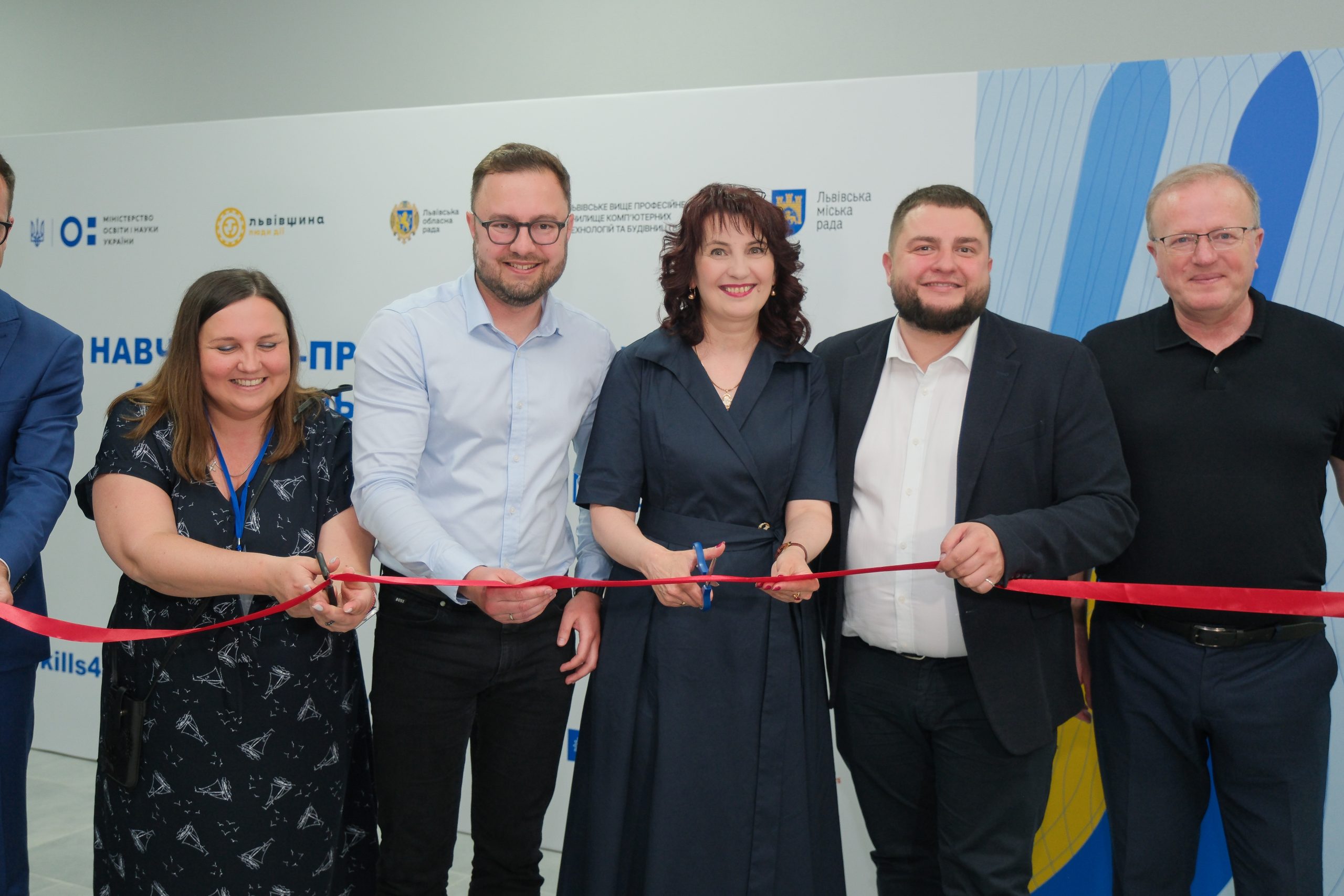
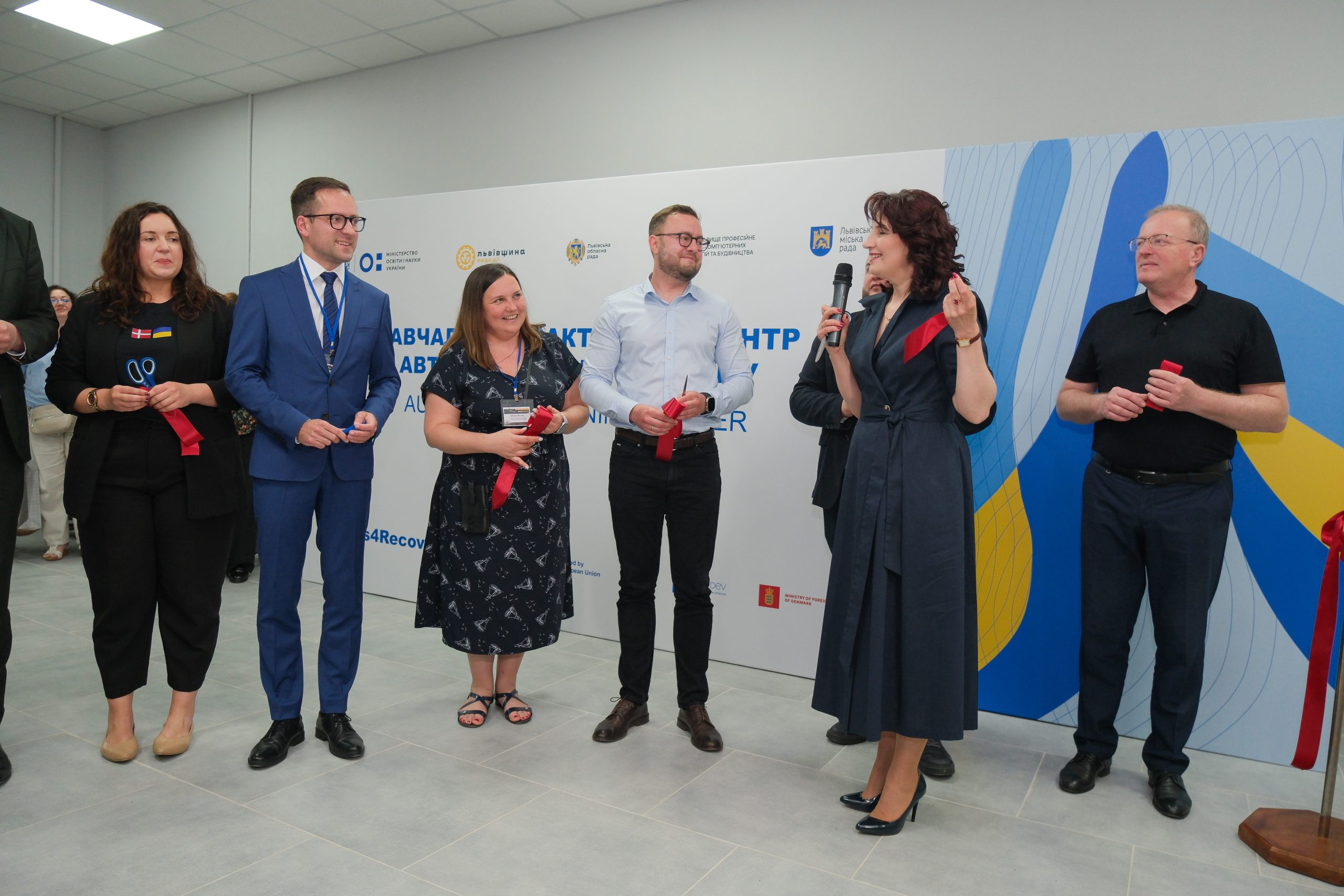
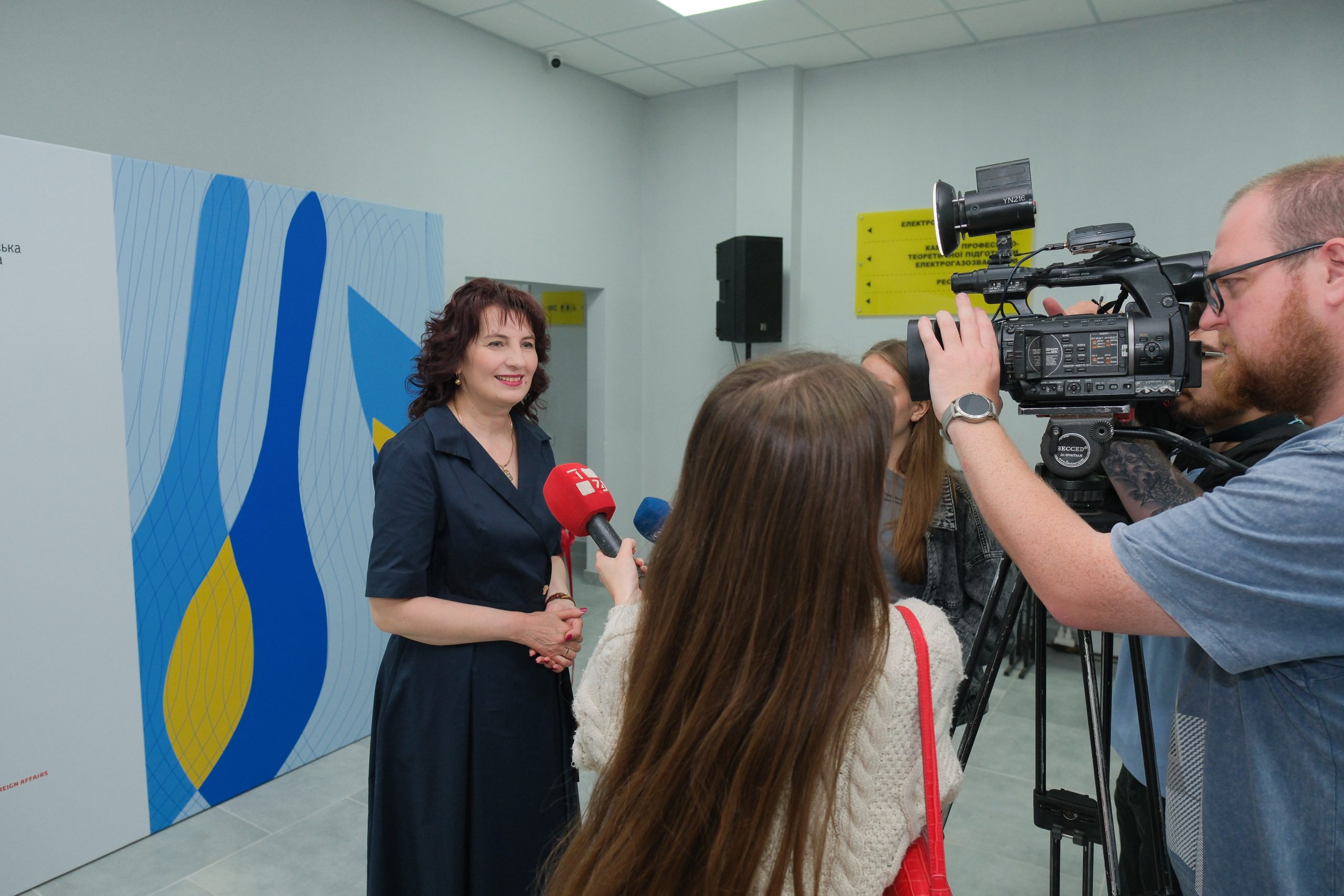
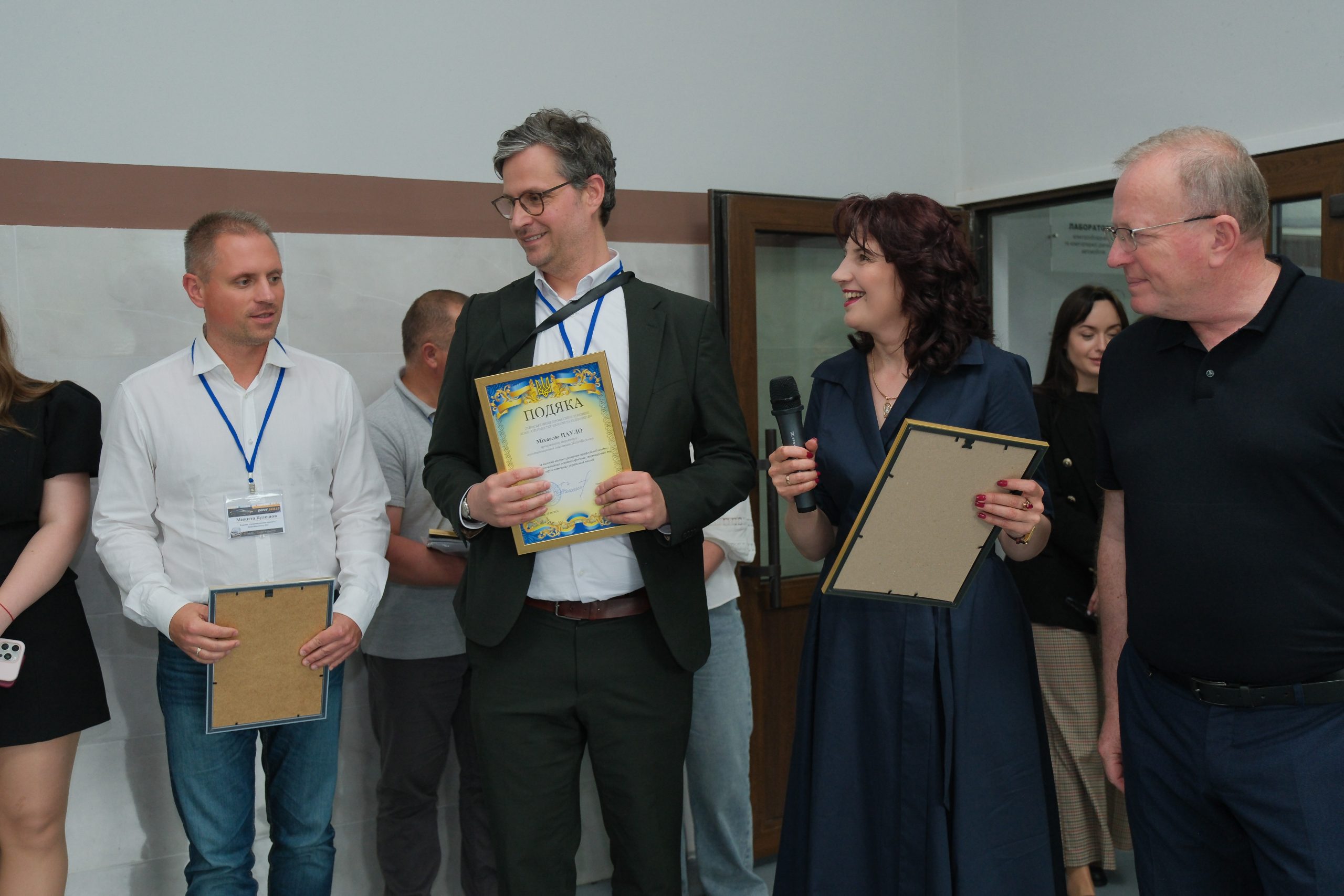
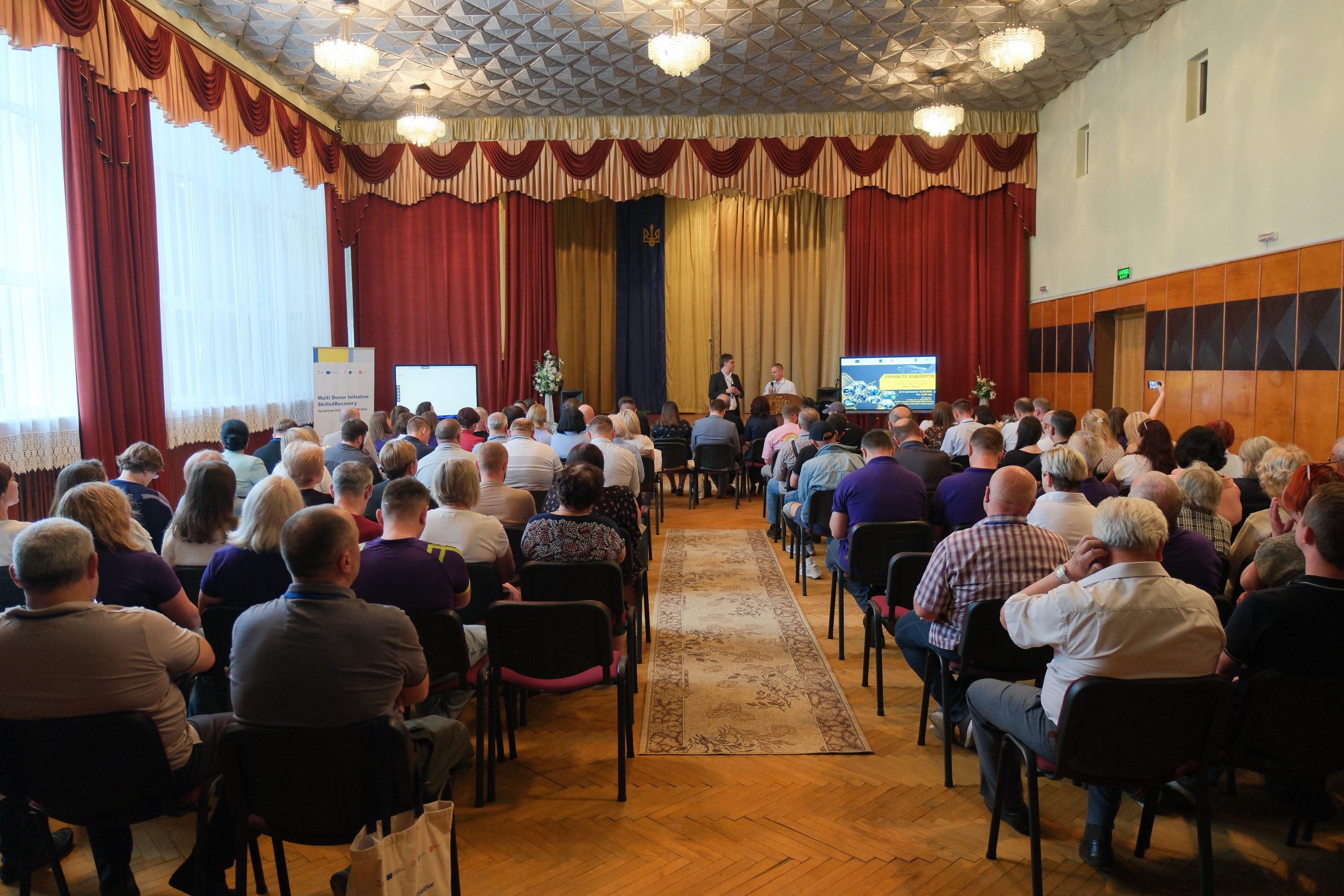
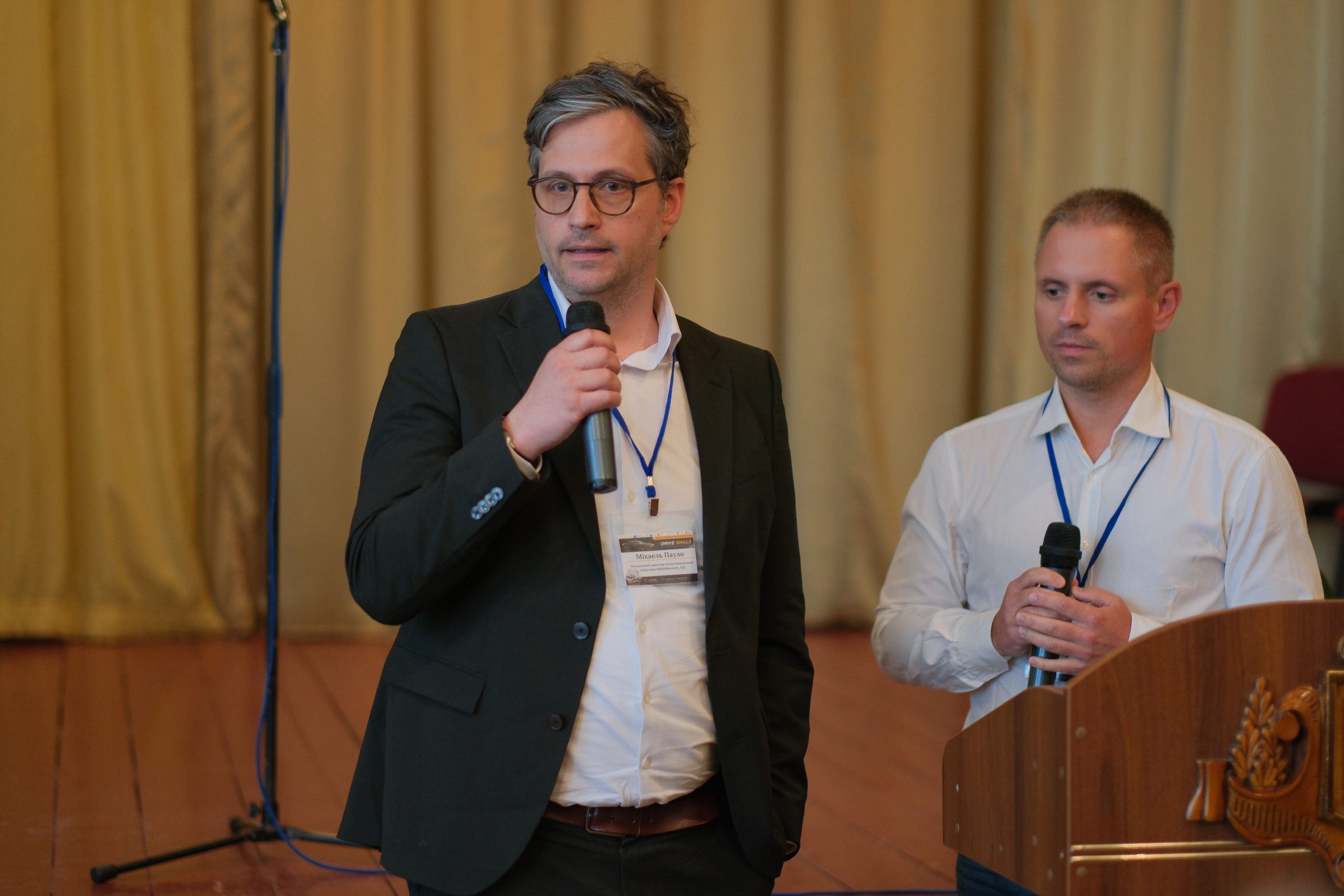
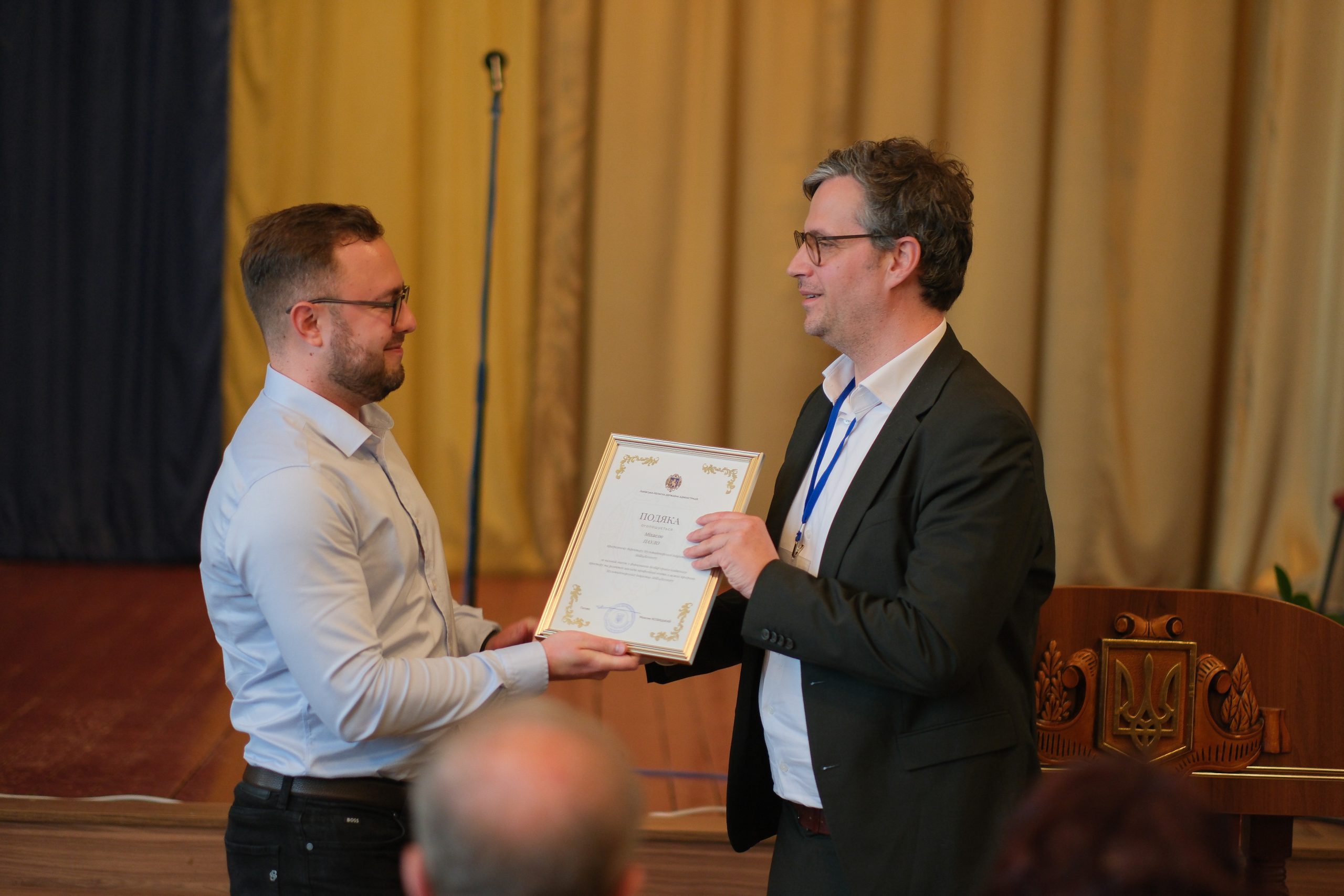
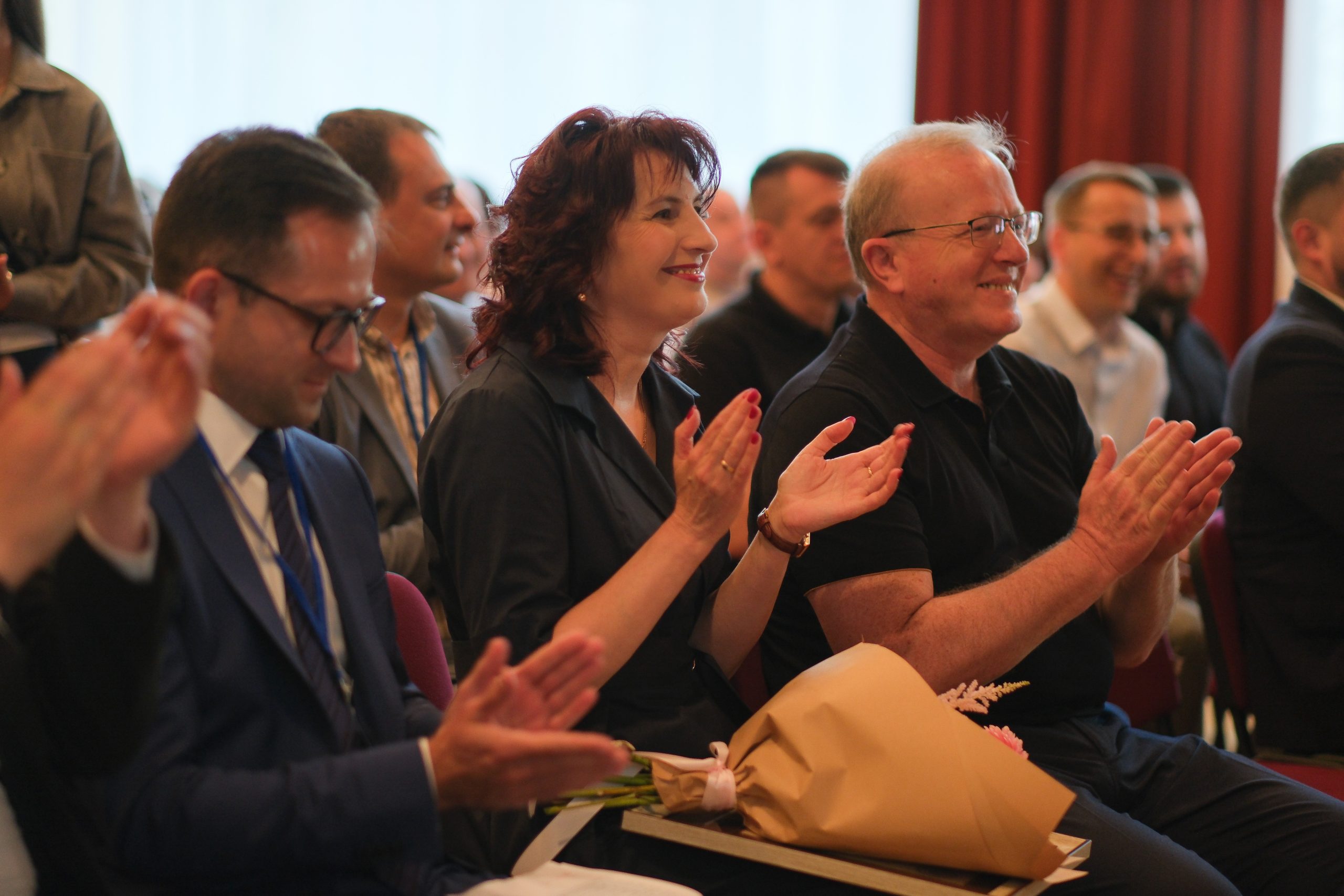
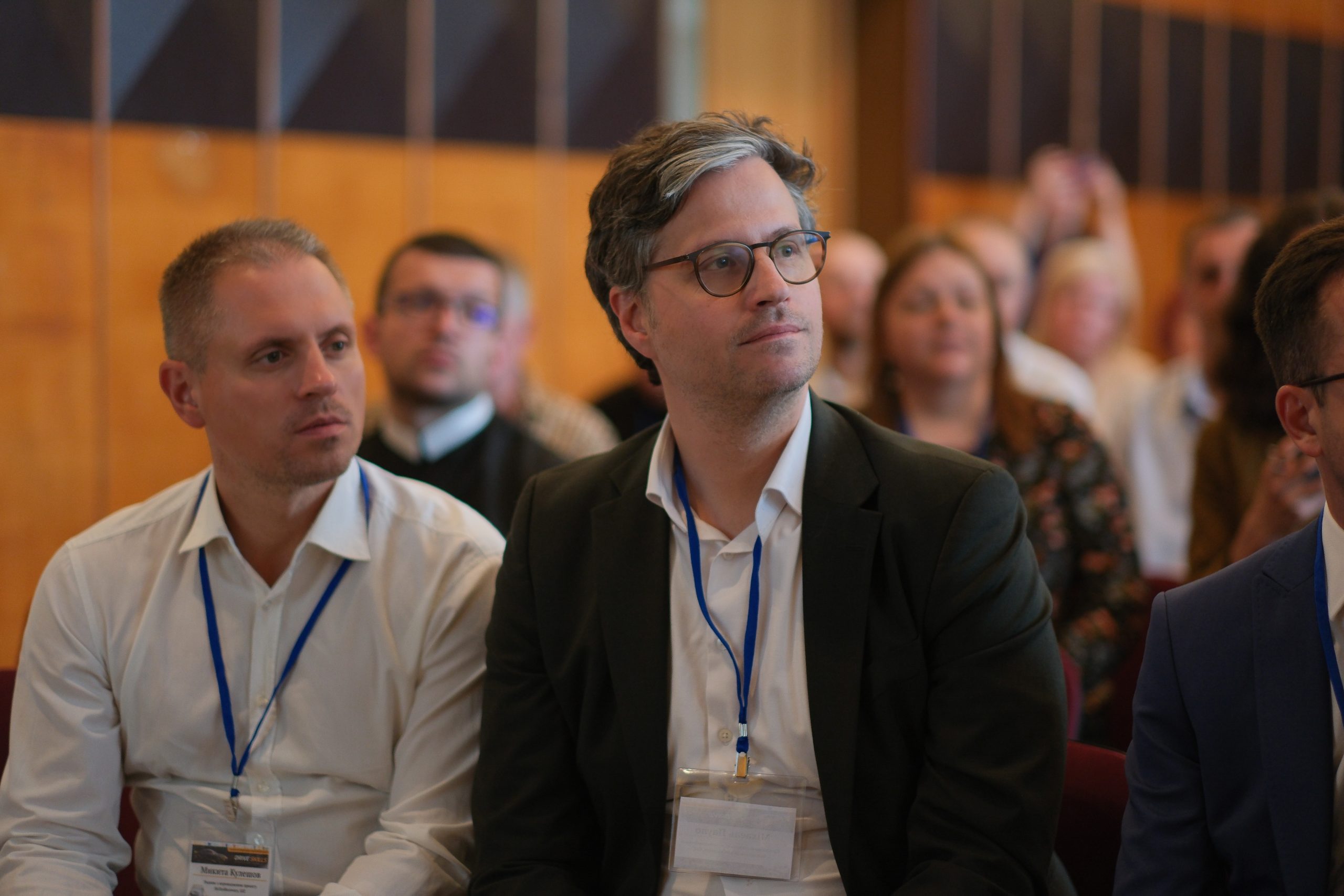
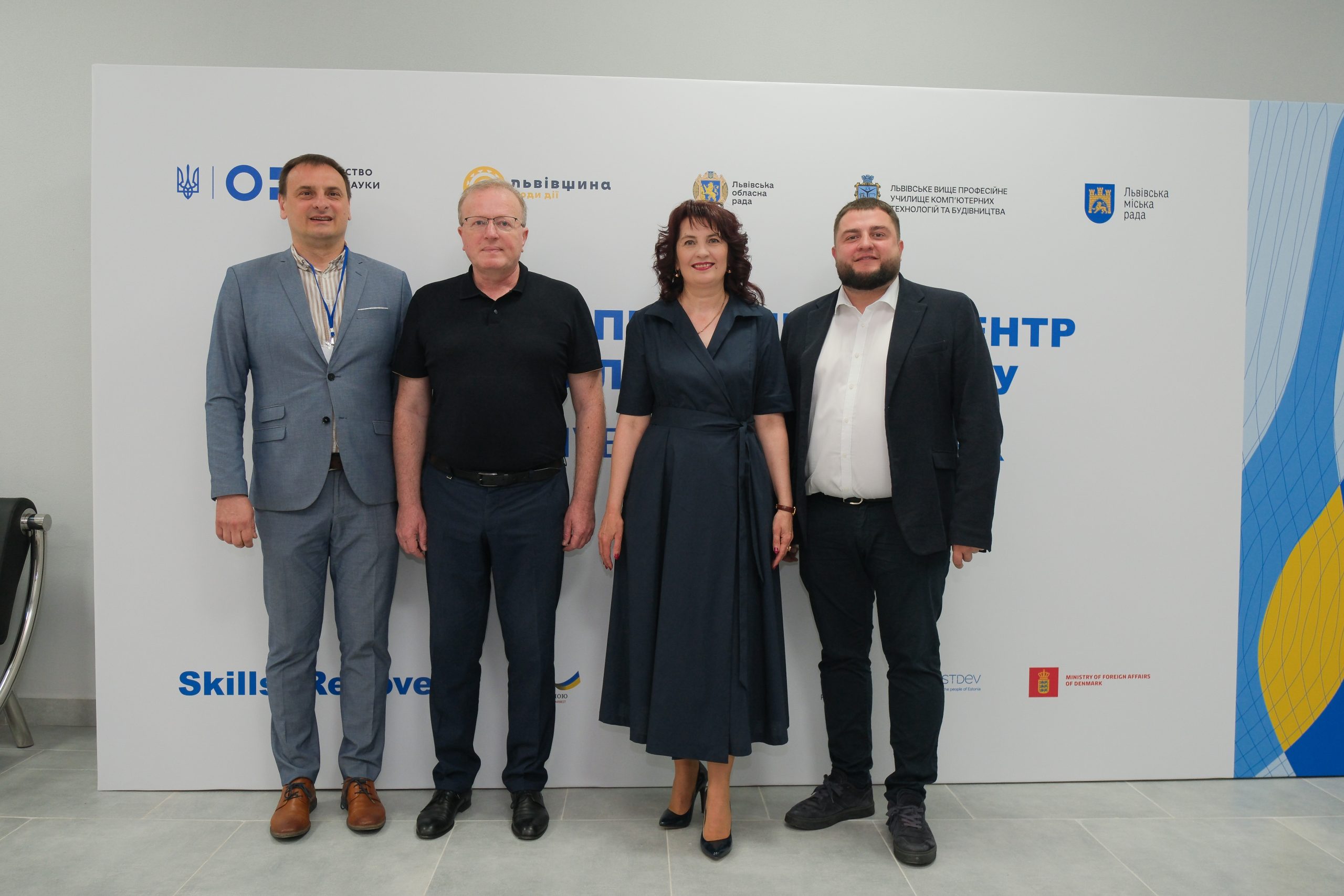
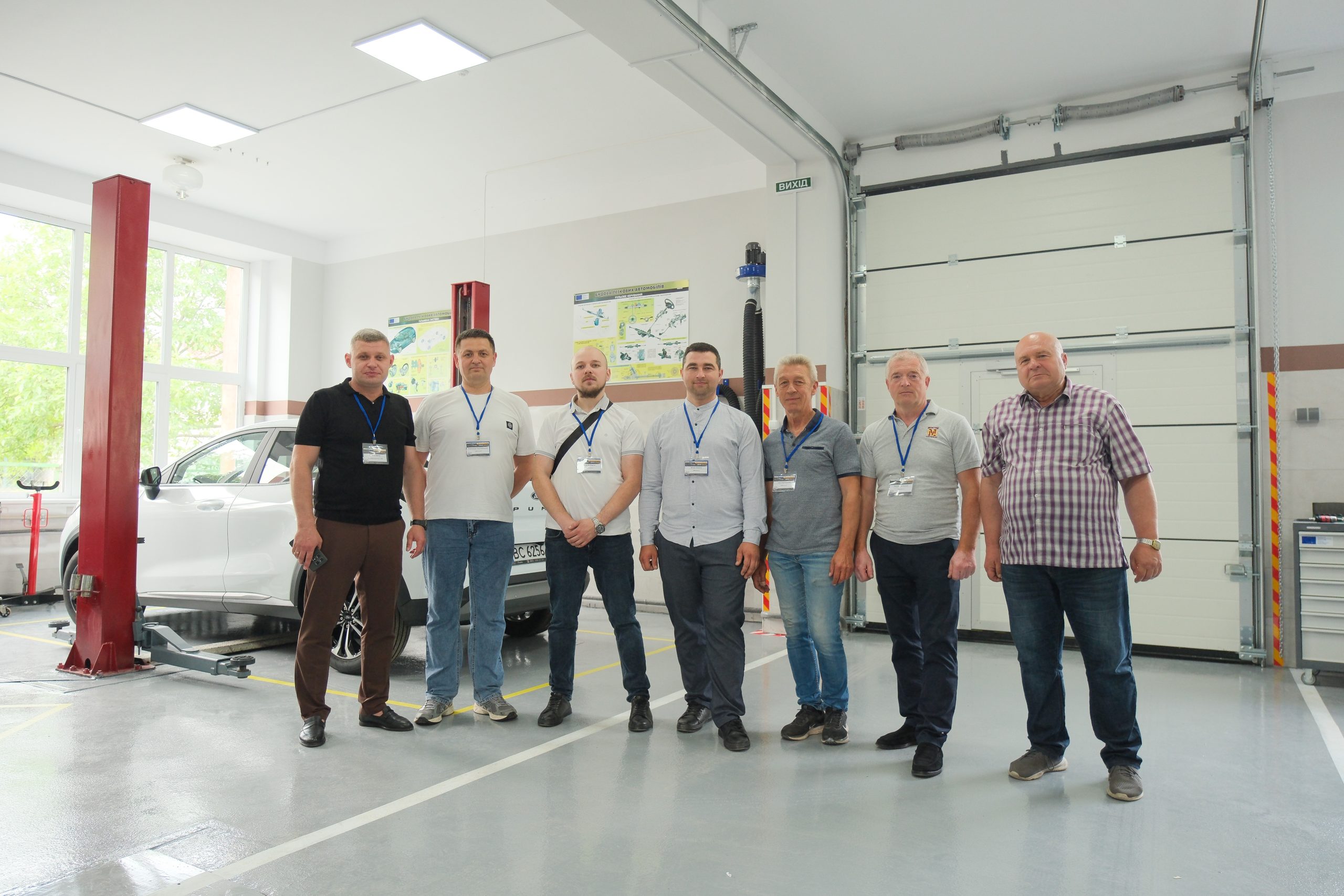
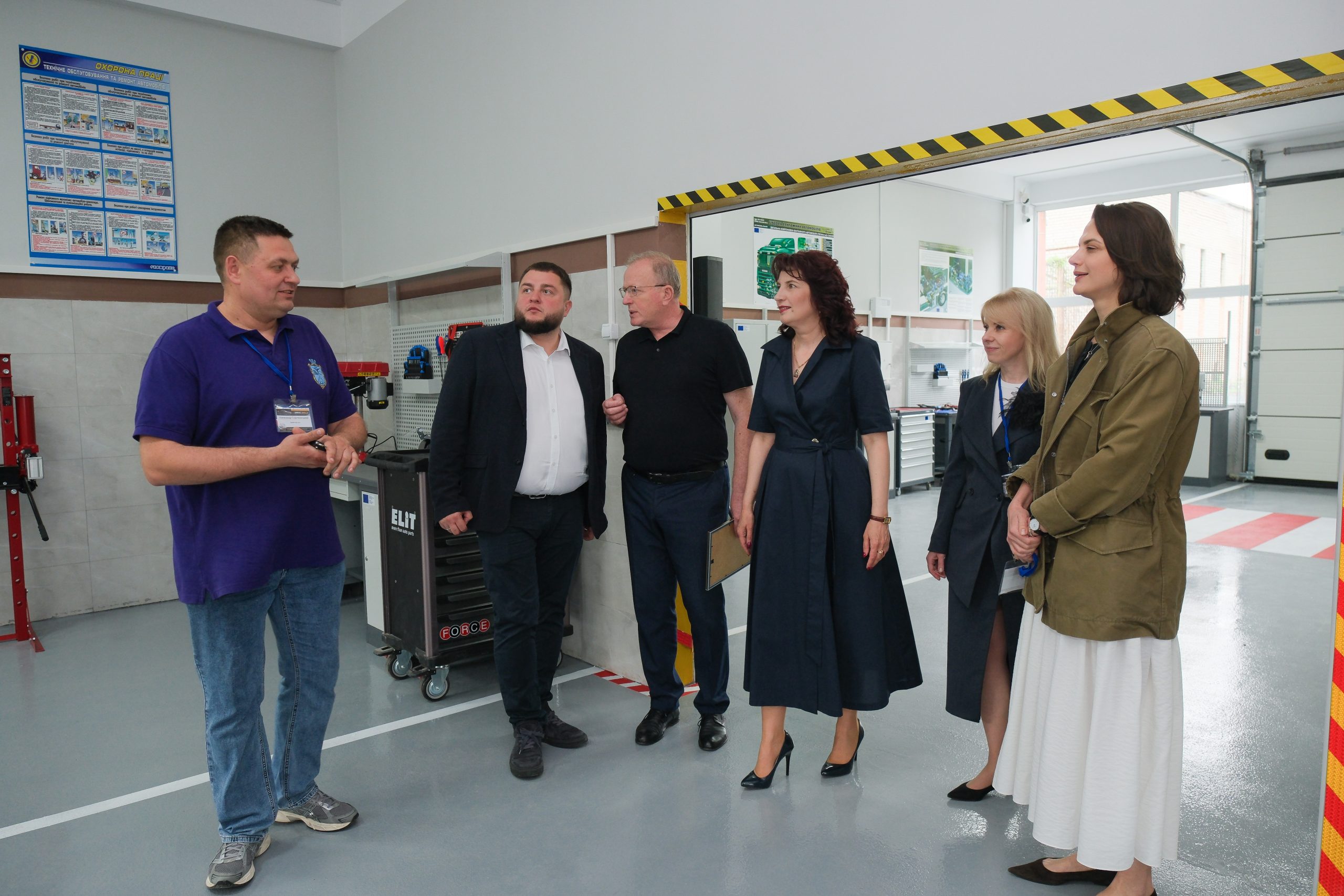
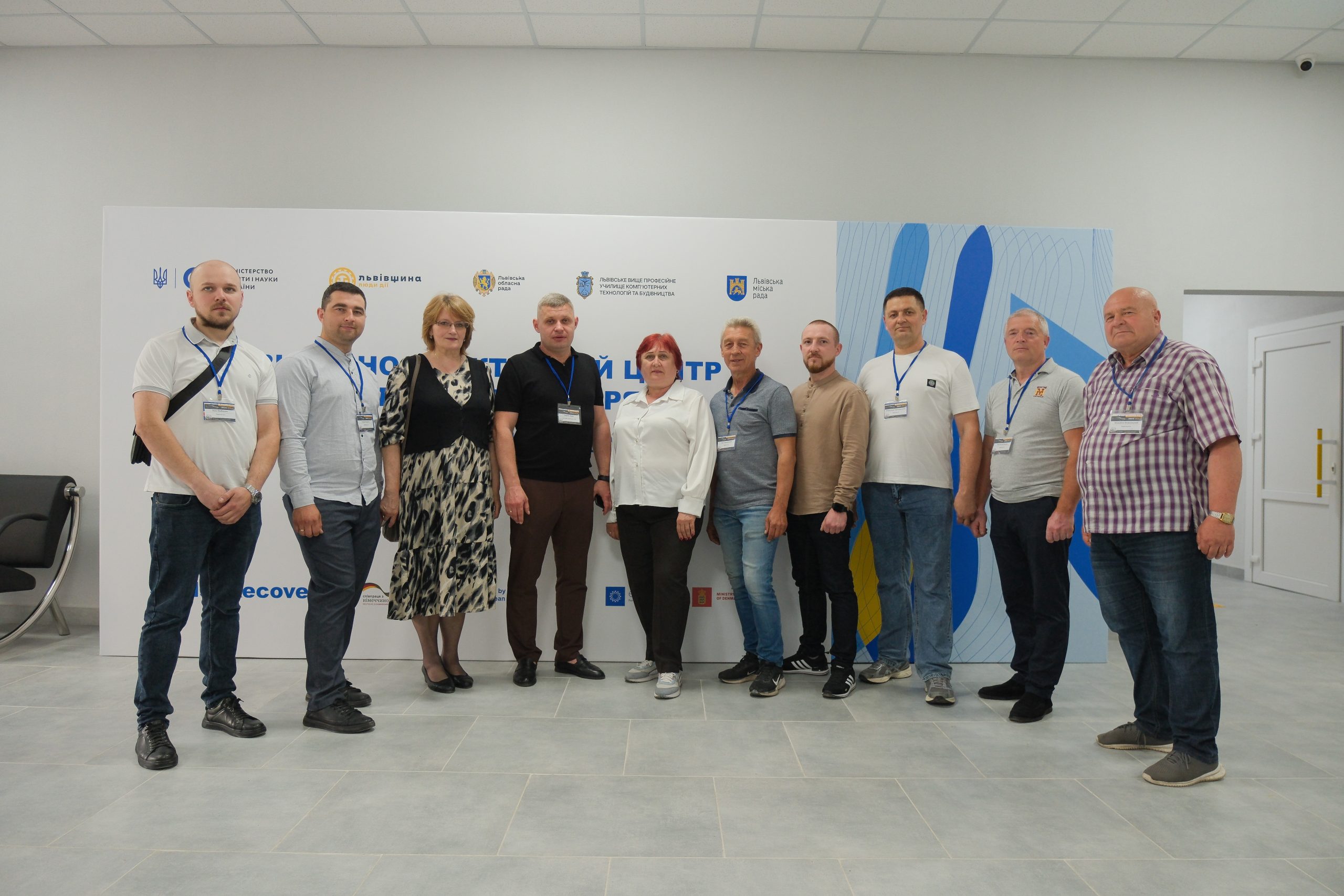
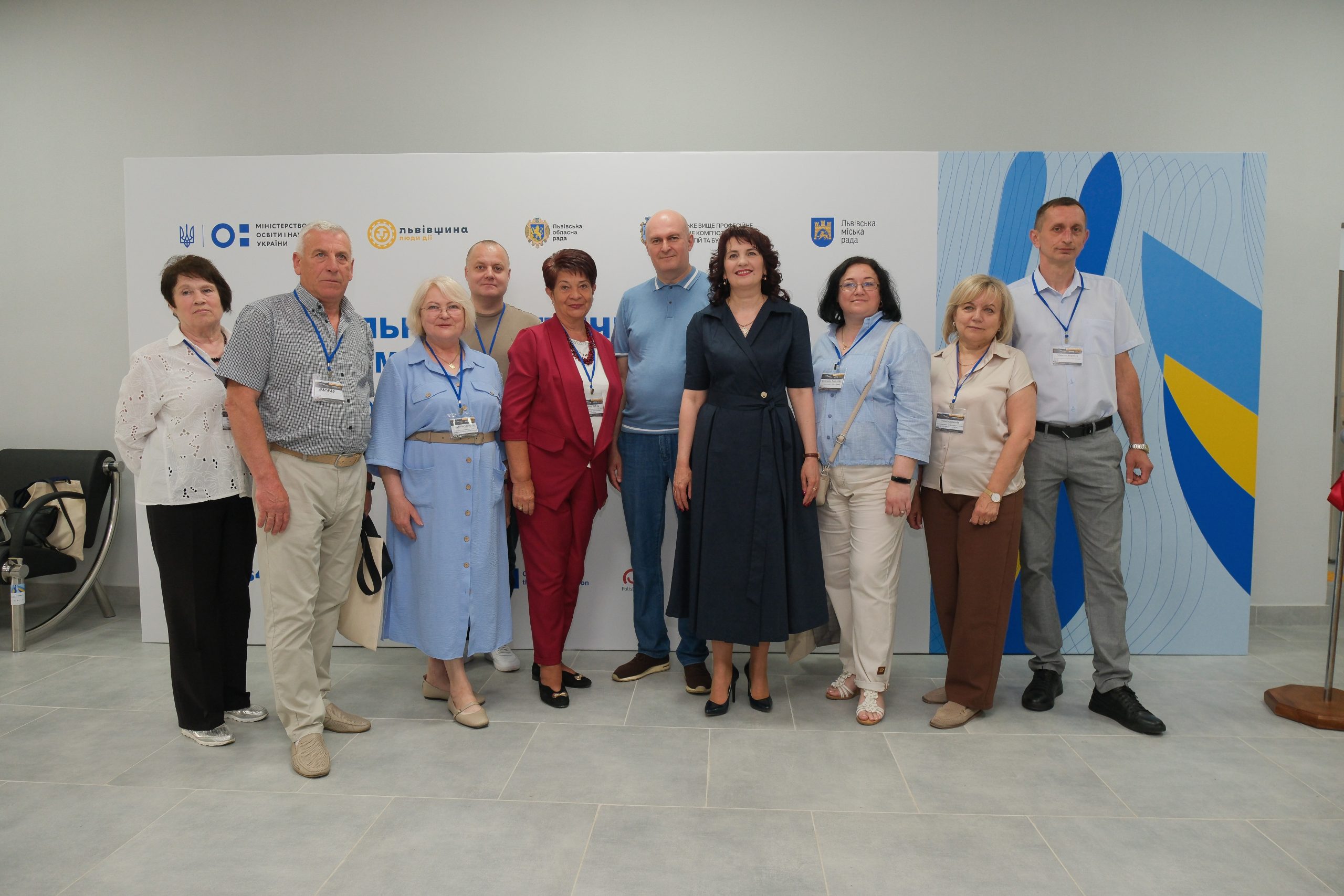
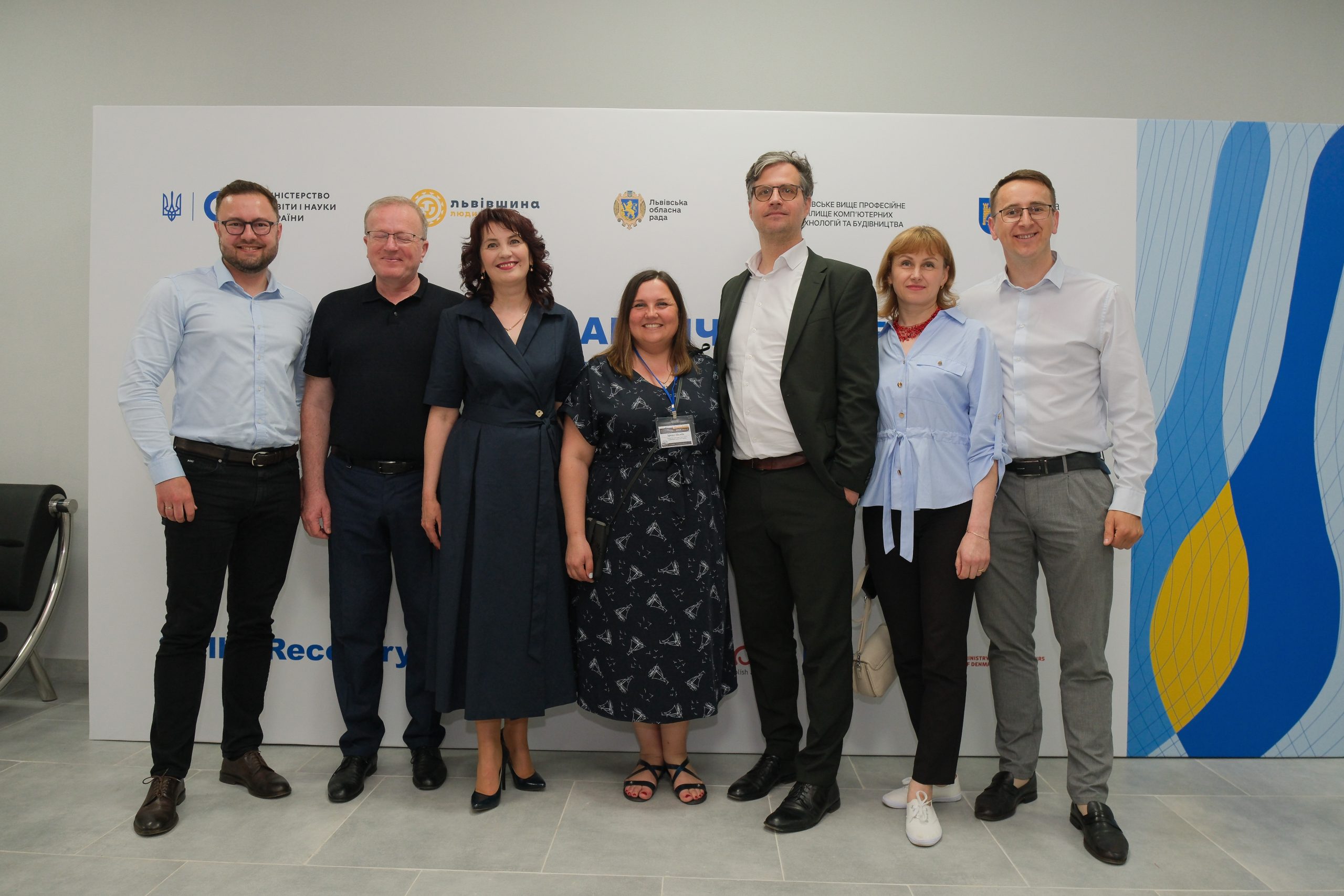
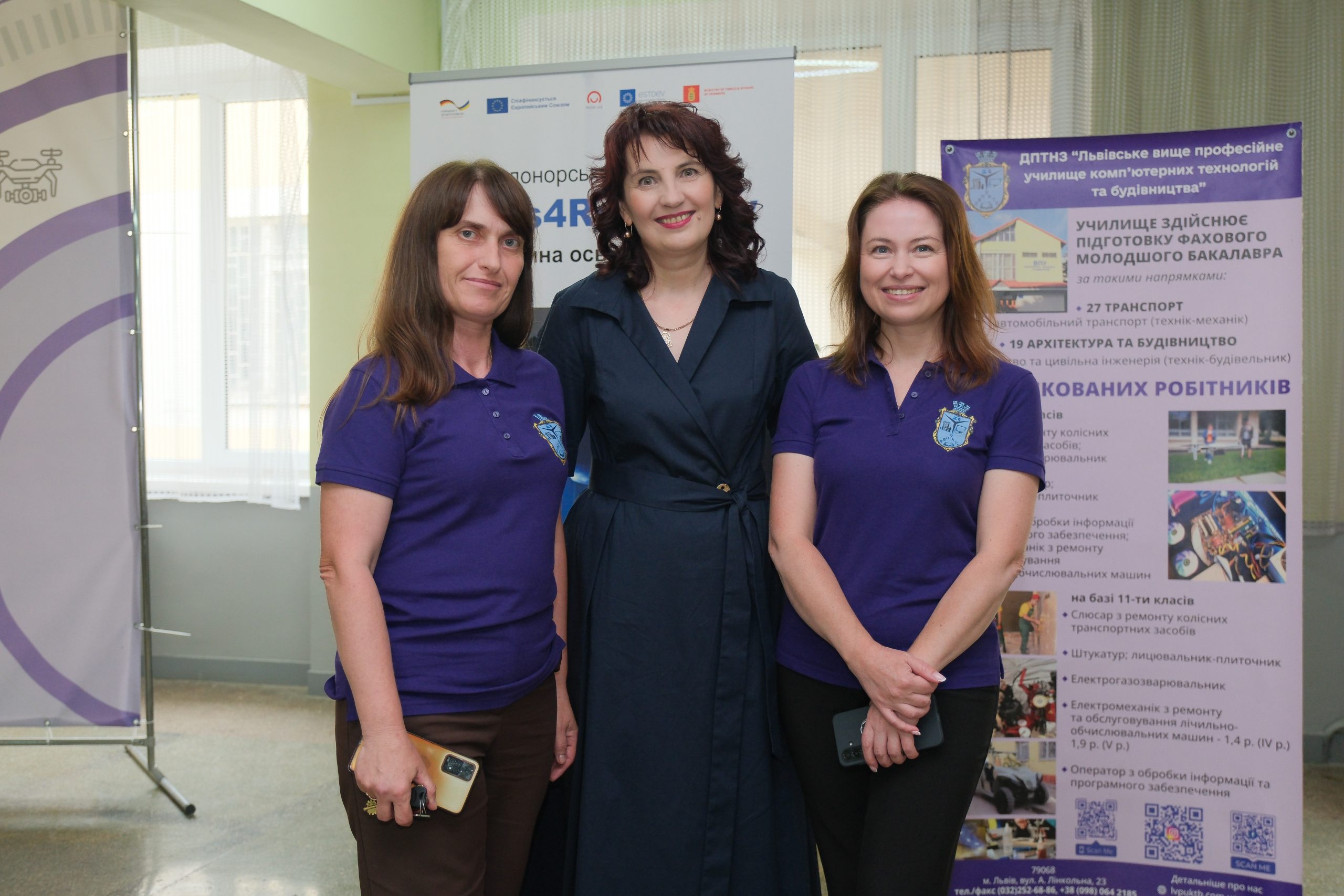
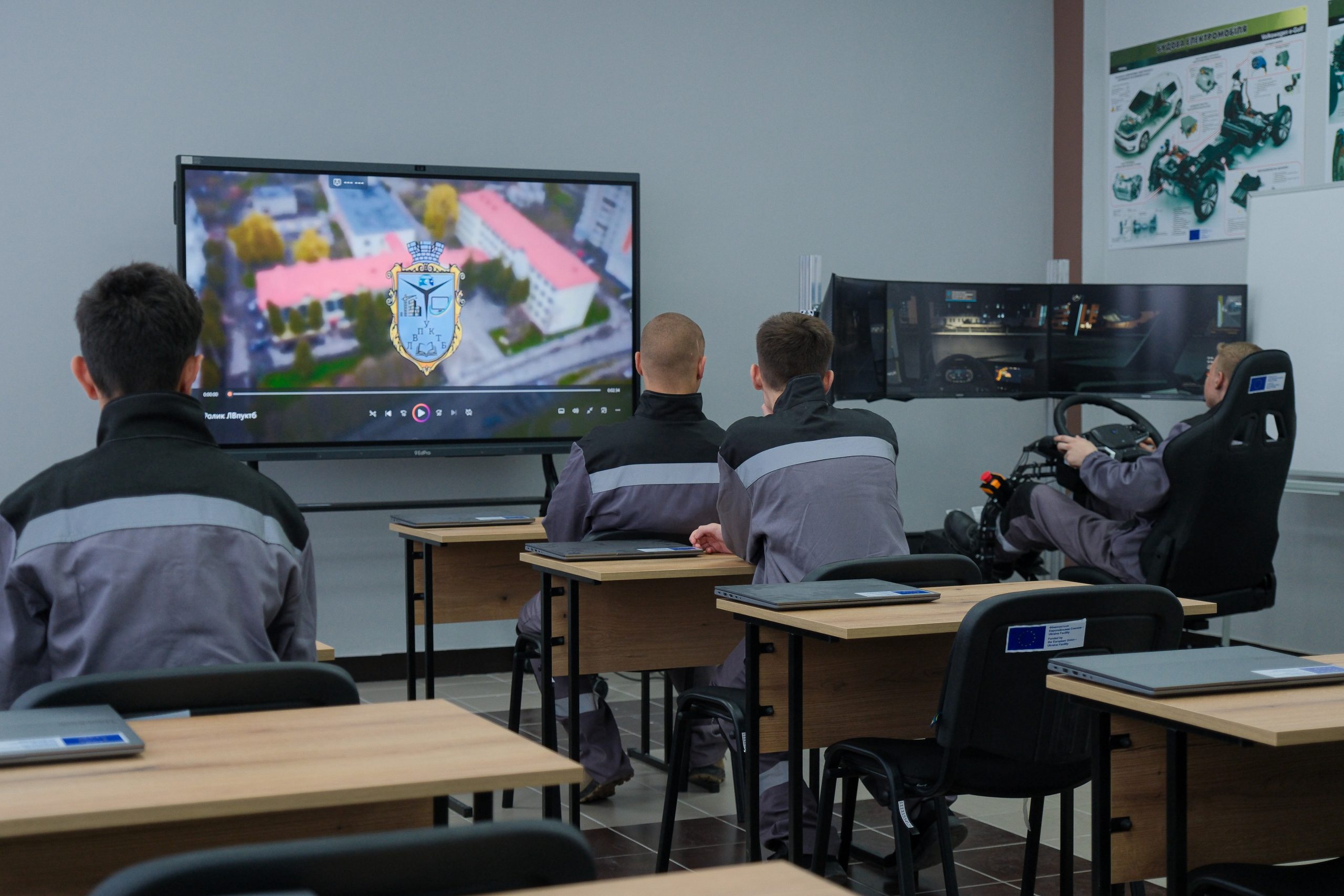
The Lviv Higher Vocational School of Computer Technologies and Construction (LVPUKTB) has officially opened its newly renovated Automotive Training and Practice Centre at 23 Lincolna Street. The UAH 11.1 million transformation establishes a new benchmark for quality, market-driven vocational education, combining advanced technical training with a fully accessible learning environment designed for both youth and adults.
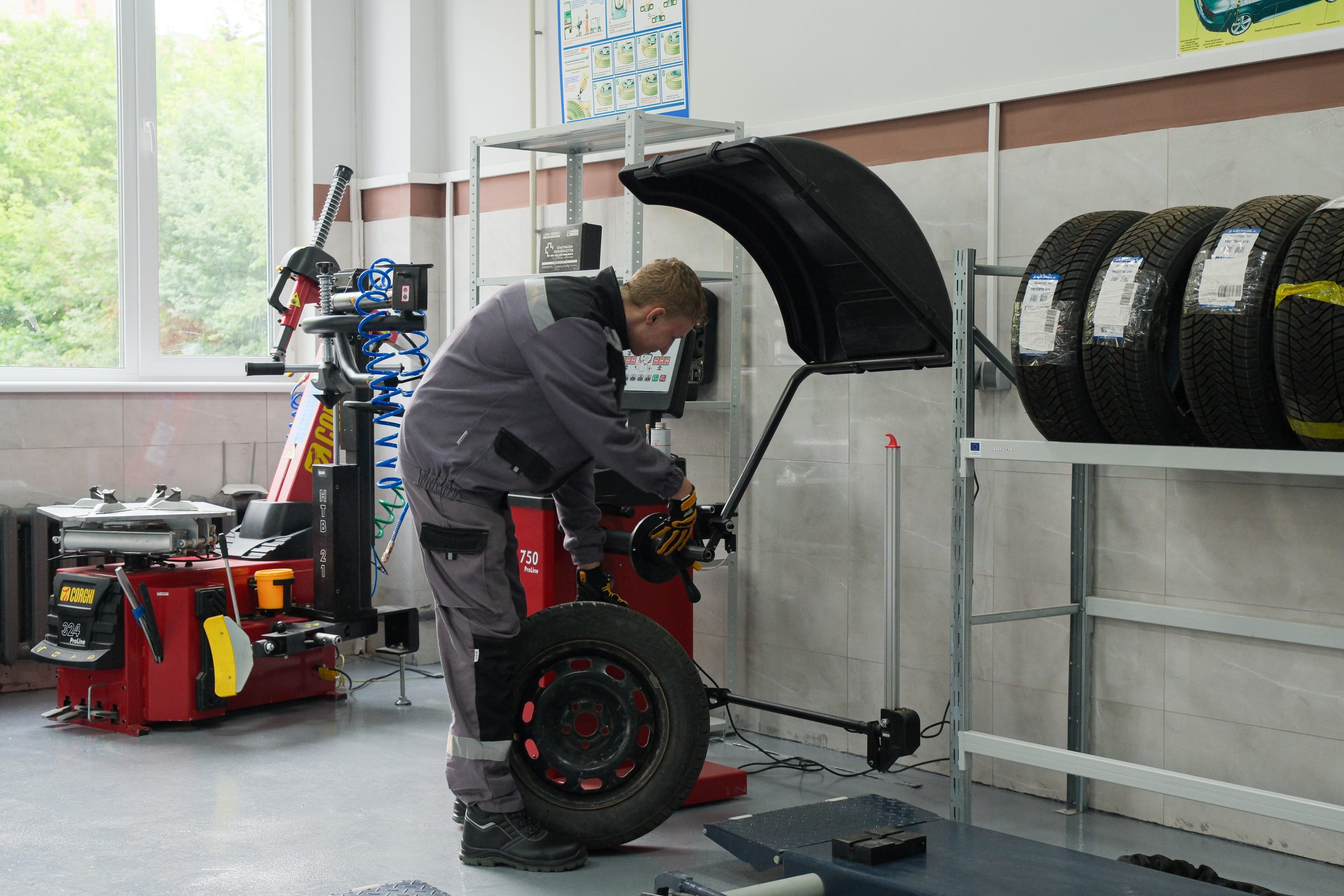
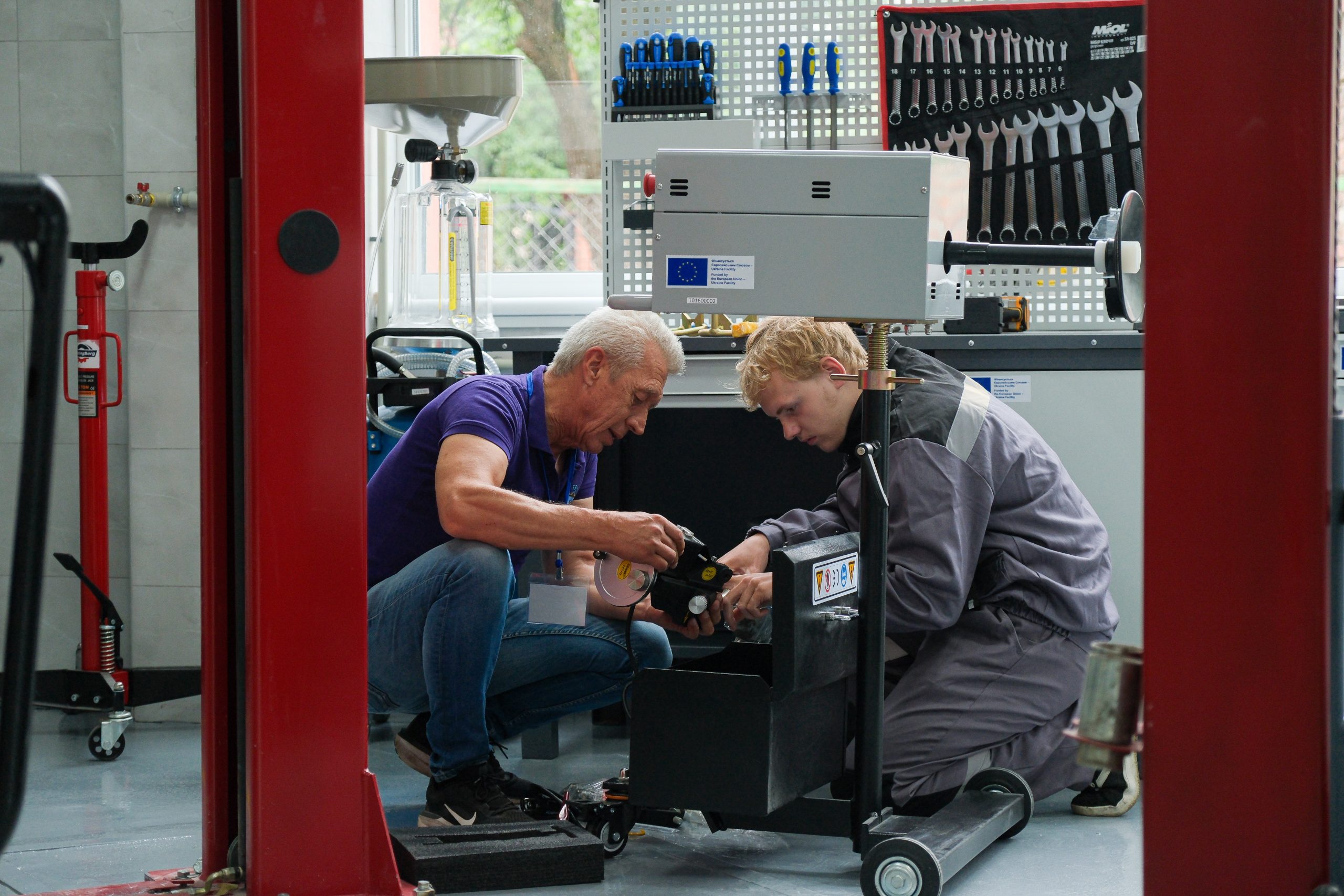
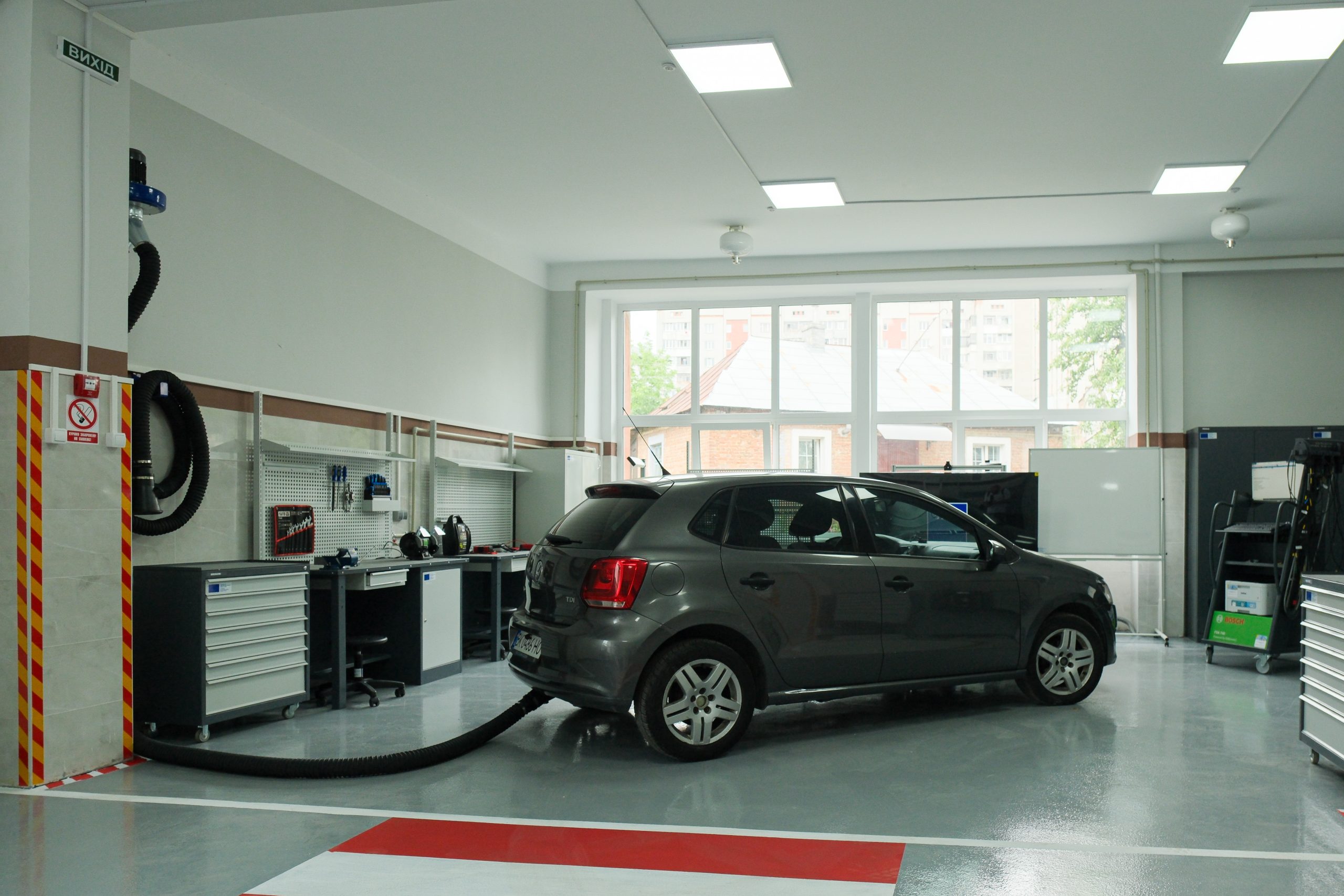
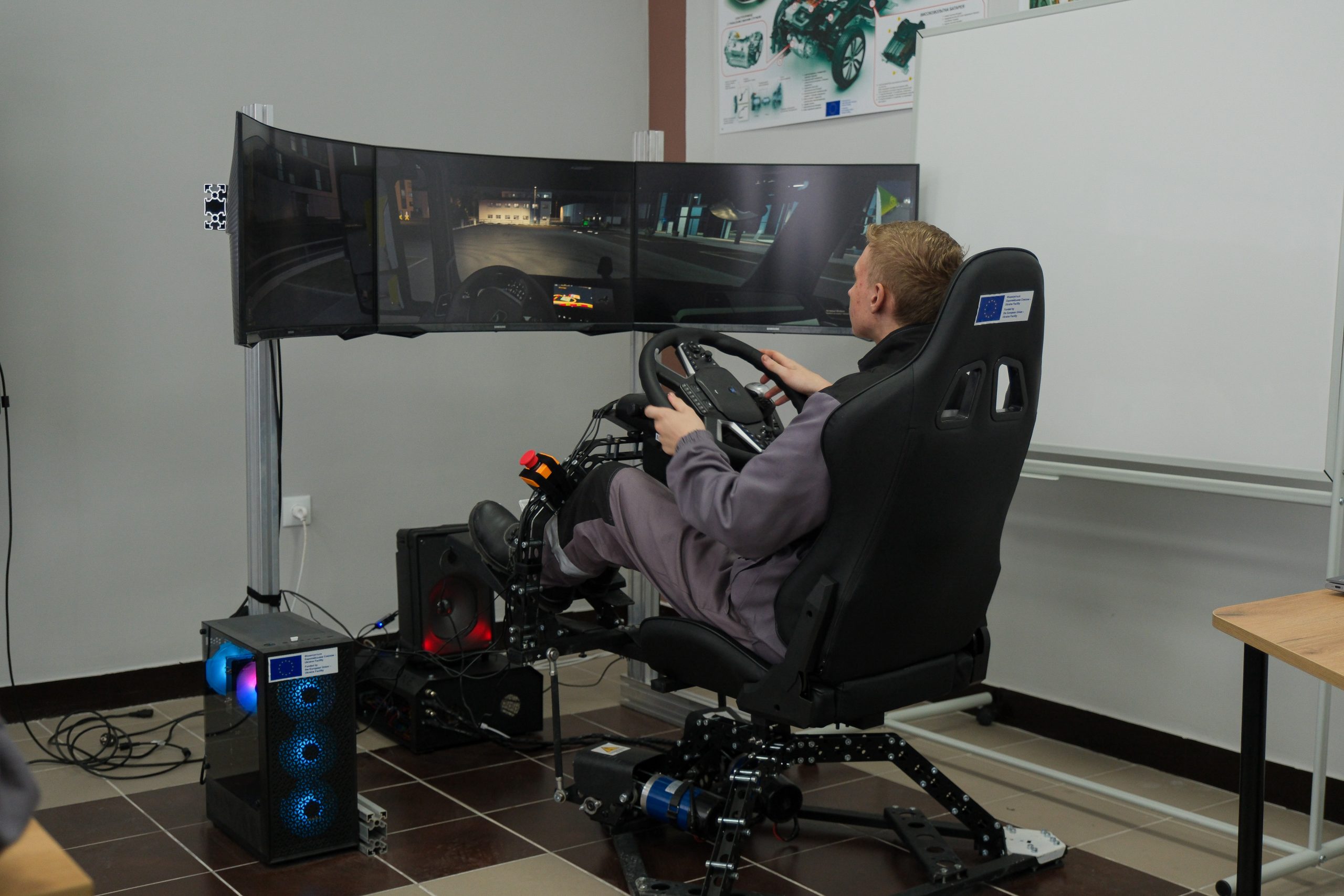
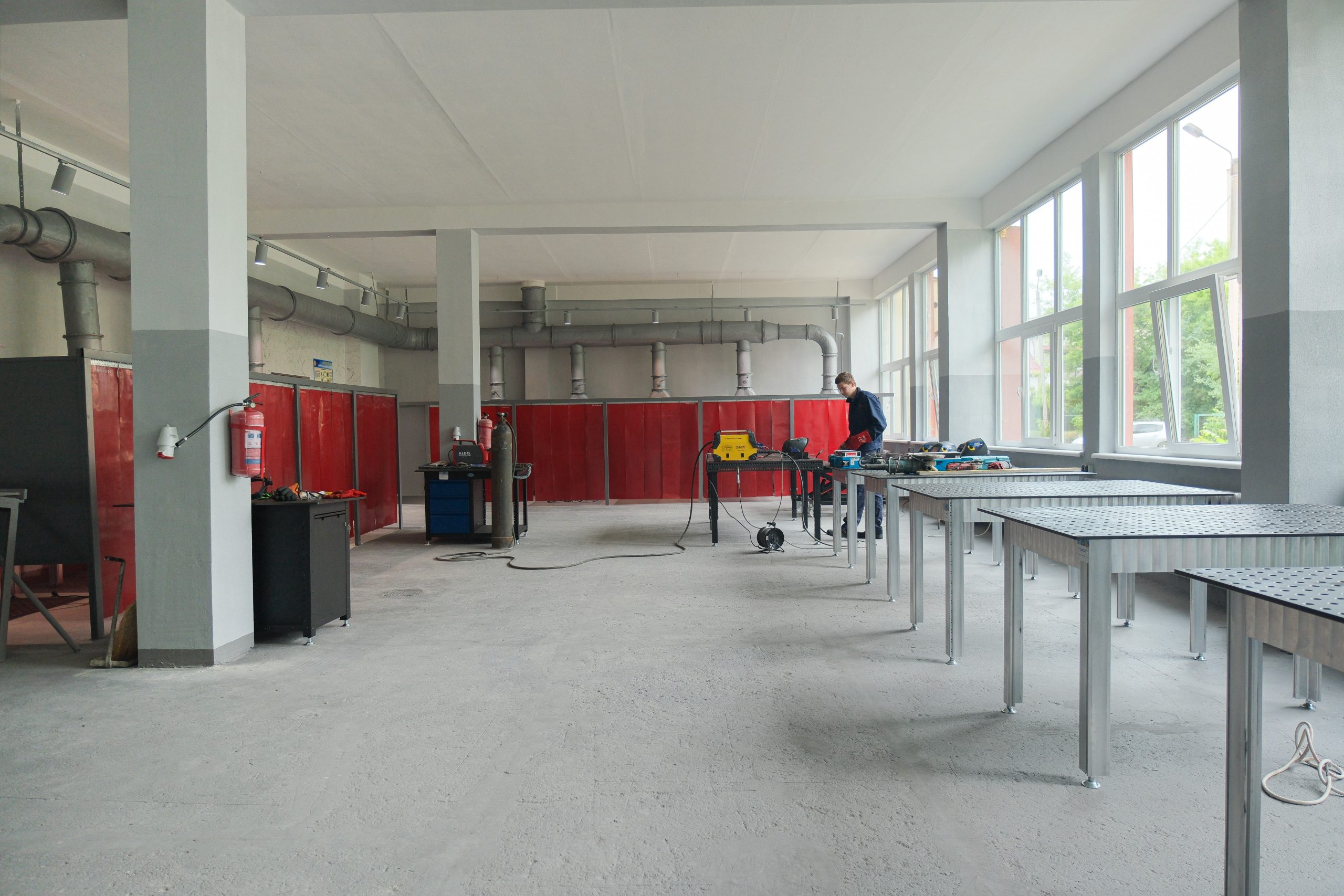
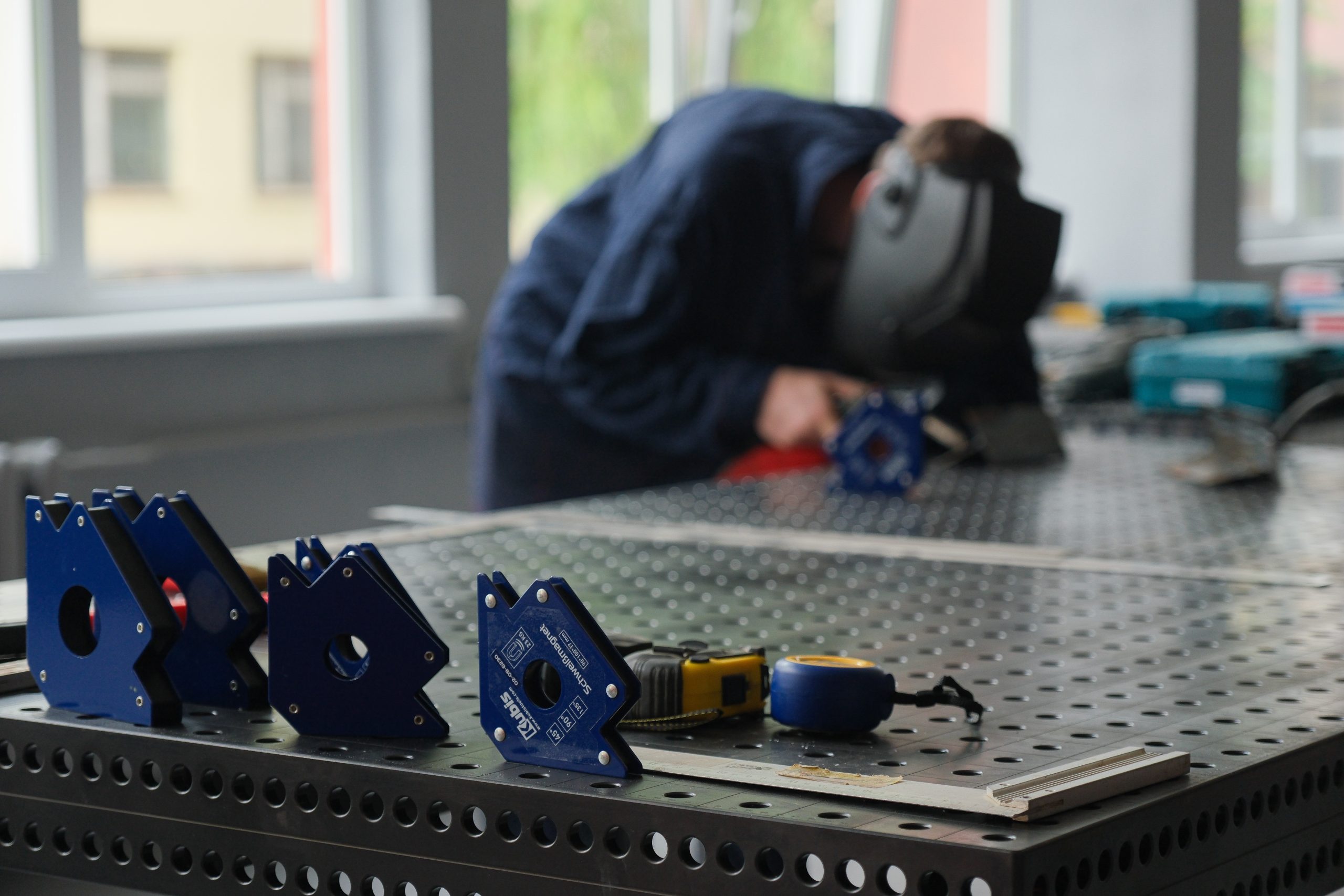
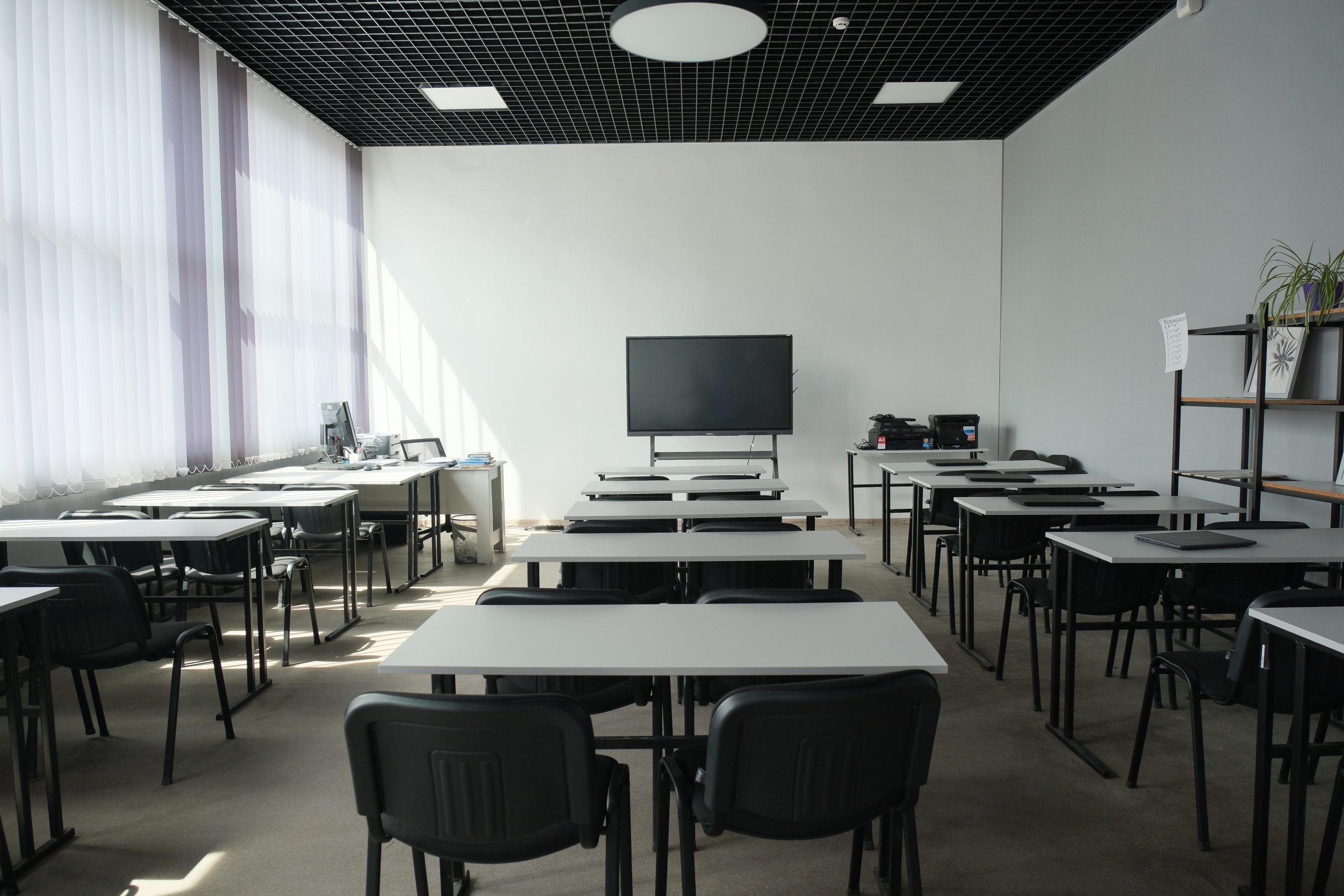
The comprehensive renovation completely modernised the school’s two core training facilities to meet current industry standards. Students now train in a 280 m² automotive repair workshop equipped with industry-standard diagnostic tools, including automotive diagnostic equipment and adapted workbenches, alongside a 123 m² welding laboratory fitted with a variety of modern welding machines and specialised workstations.
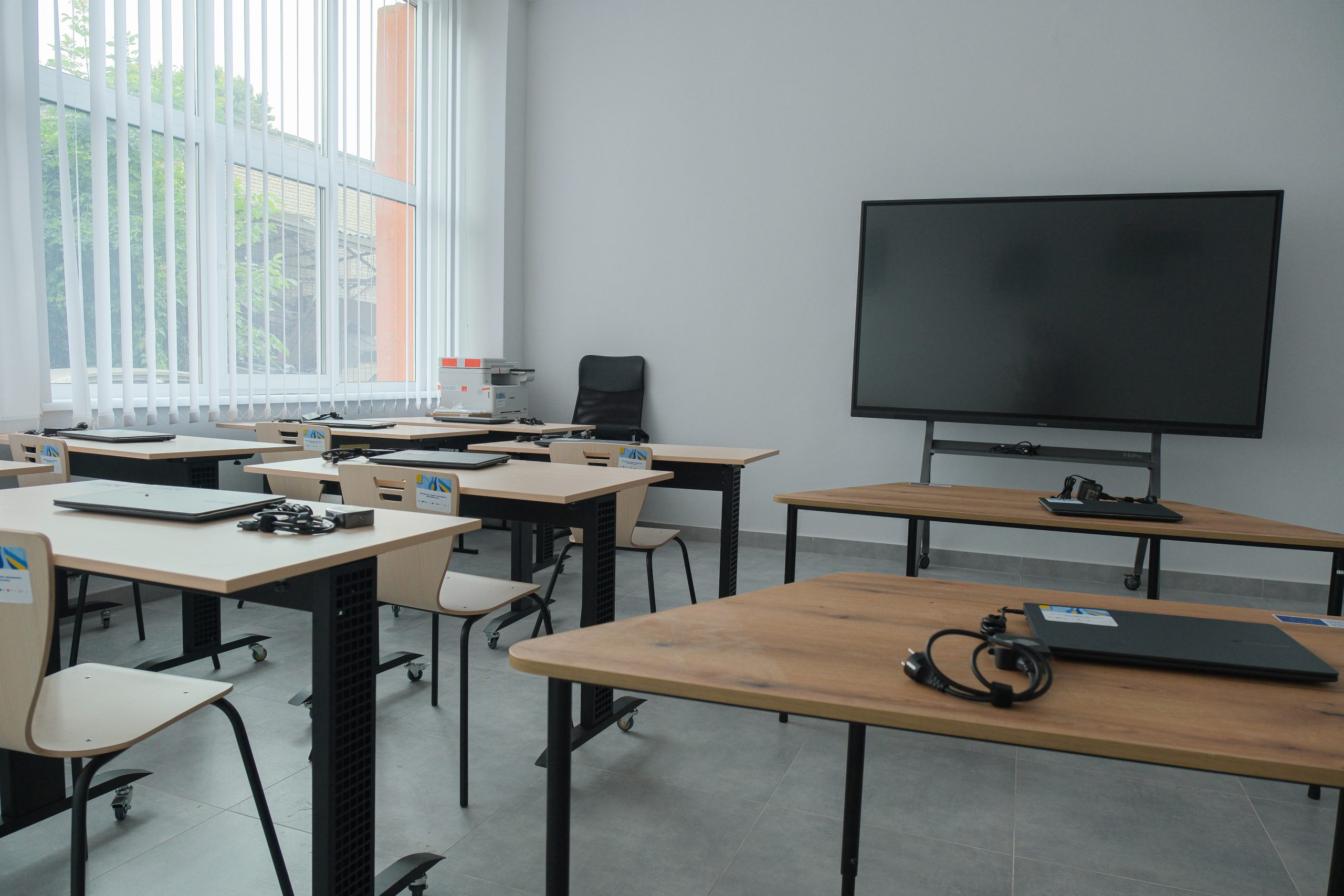
Designed to ensure quality training for all students regardless of physical ability, the infrastructure integrated accessibility features from the ground up, including ramps, an accessible bathroom, adapted workstations, a dedicated resource room, and designated parking. This approach ensures that practical technical education and modern accessibility standards advance hand in hand.
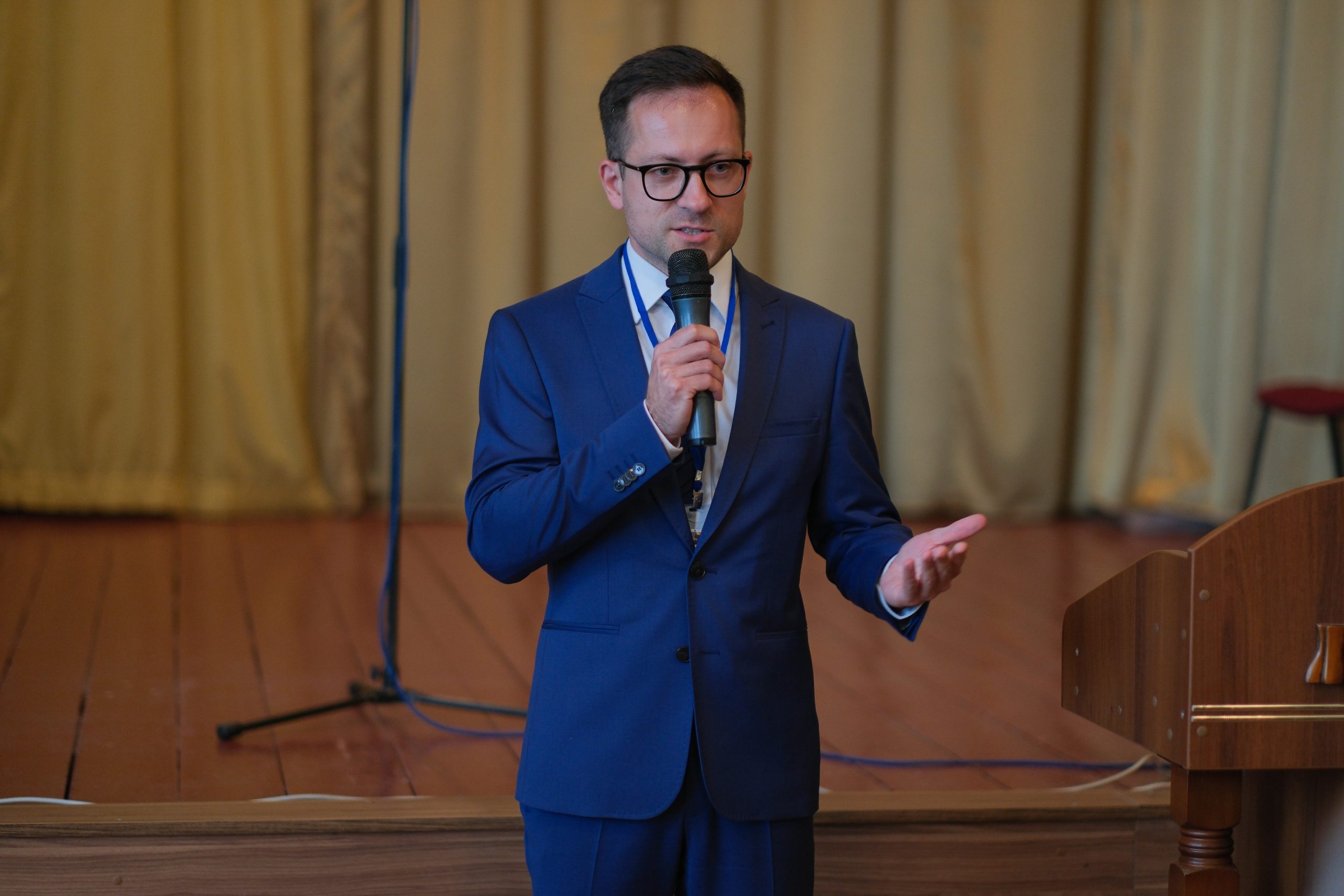
“Modern vocational education is the foundation for our region's economic recovery and development,” noted Ivan Pykus, Head of the Department for Innovation, Vocational, Professional Pre-Higher and Higher Education at the Lviv Regional Military Administration. “Previously, the institution's facilities were outdated, meaning graduates often had to be retrained on the job. Thanks to this upgrade, we have fundamentally shifted our approach: the college now trains specialists who meet the real, daily demands of local businesses.”
The launch also highlighted a strategic shift toward building a seamless pathway from rehabilitation to employment for those impacted by the war. Representatives from Ukraine’s leading rehabilitation ecosystems—the UNBROKEN National Rehabilitation Centre and the Superhumans Centre—joined the event to emphasise how vocational institutions can actively drive the economic reintegration of veterans and persons with disabilities by equipping them with practical, in-demand skills.
Reflecting this ambition, the renovation of the new Automotive Skills Training and Practical Centre “Drive Skills” was informed by recommendations from The New VET: A Guide to Renovation Works in Vocational Education Institutions, a practical roadmap for creating functional, aesthetic and inclusive educational spaces across Ukraine. The institution had previously been featured in the guide through its Centre of Professional Excellence in Construction, which was highlighted as an example of good practice.
“A large-scale transformation of vocational education is underway in Ukraine. Under the new law, institutions nationwide are evolving into modern professional colleges,” said Dmytro Zavhorodnii, Deputy Minister of Education and Science of Ukraine for Digital Development, Digital Transformations and Digitalisation. “The project in Lviv is an excellent example of what a contemporary learning space should look like. Developed jointly with international partners, the Renovation Guide for vocational education institutions places a strong emphasis on accessibility and inclusion. This college has become a model example of how these recommendations can be successfully implemented in a real educational environment, and it is a case we will proudly showcase to colleagues from other regions.”
The updated Lviv facility opens its doors on equal terms to veterans with disabilities, internally displaced persons (IDPs), women entering traditionally male-dominated trades, and youth, directly aligning their skills with regional labour market demands.
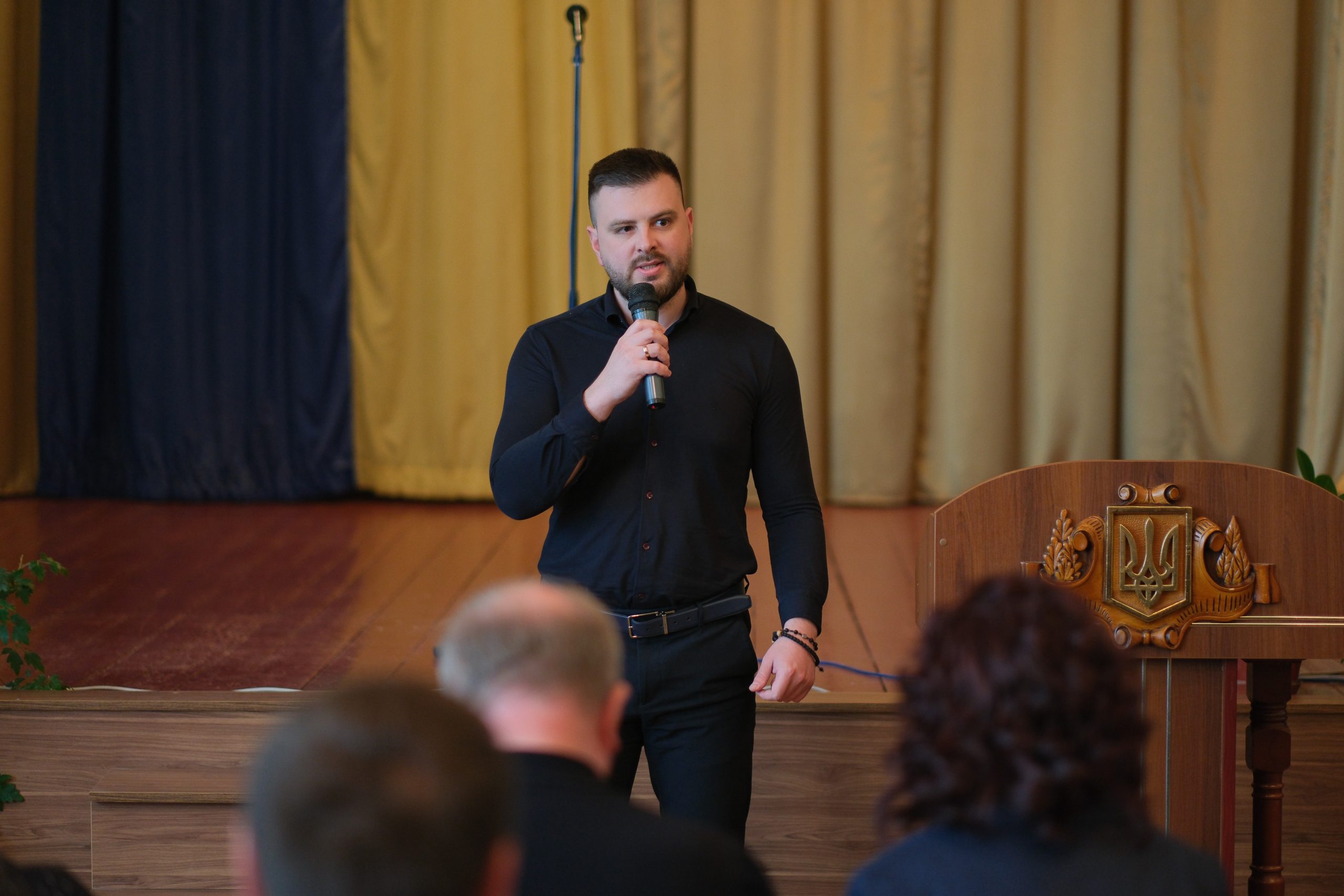
“The defining feature of our cooperation within the Skills4Recovery programme is that we establish spaces tailored for the broader training and retraining of the adult population,” emphasised Mariia Polishchuk, Director of LVPUKTB. “Today, many people, IDPs, and veterans are searching for new career opportunities, and our priority is to help them acquire reliable, market-relevant skills. Together with our partners, we have built a modern workshop and a fully accessible environment that breaks down outdated stereotypes.”
The physical renovation of the facilities and equipment procurement were made possible through a joint funding partnership between the Skills4Recovery programme, the Ministry of Education and Science of Ukraine, and the Lviv Regional Military Administration.
About Skills4Recovery
The Multi Donor Initiative Skills4Recovery supports initial and further training for the workforce in five economic sectors that are important for Ukraine’s recovery: construction, transport, agriculture, services, and manufacturing. The programme helps people to gain the relevant skills for employment, while supporting employers in reaching qualified workers.
Skills4Recovery is jointly co-financed by the European Union, Germany, Poland, Estonia, and Denmark. It is implemented by the Deutsche Gesellschaft für Internationale Zusammenarbeit (GIZ) GmbH and the Solidarity Fund PL (SFPL). The programme runs until December 2026 and covers all regions of Ukraine.