Twenty-five modernised vocational education and training curricula have been presented in Ukraine, covering construction, transport and logistics, services, and agriculture. Developed with the support of the Multi Donor Initiative Skills4Recovery in cooperation with employers, the curricula aim to bring vocational education closer to the needs of today’s labour market.
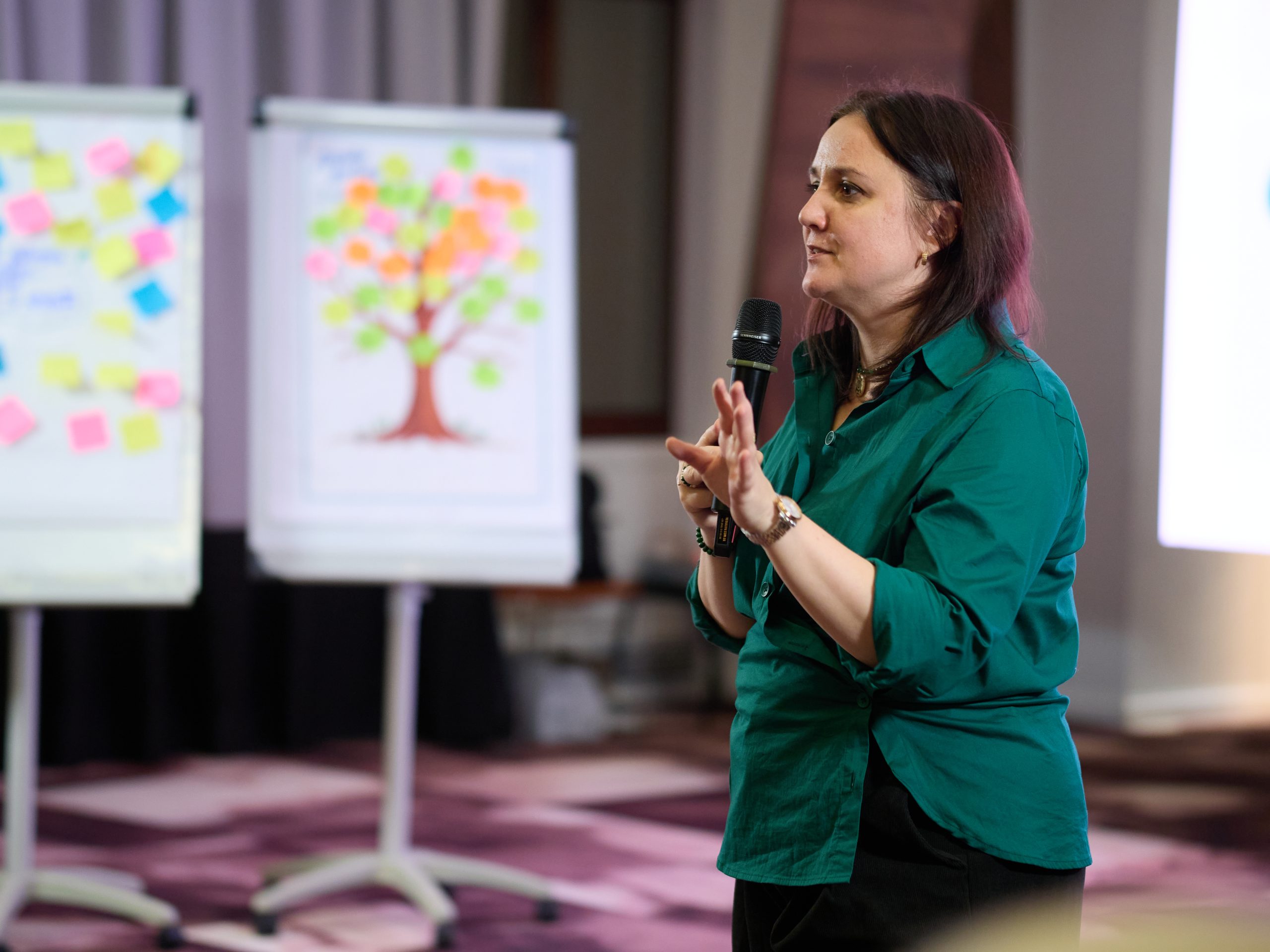
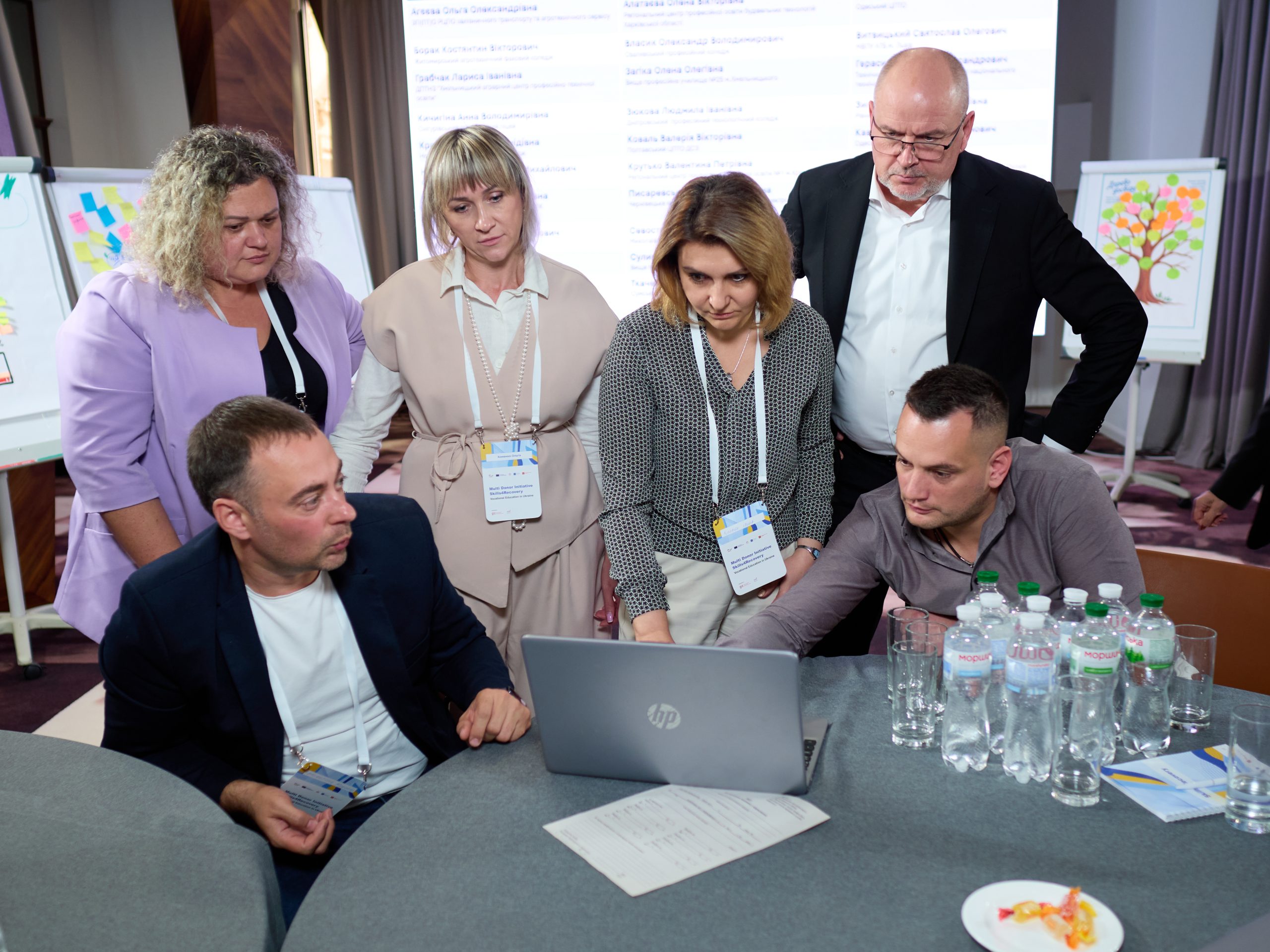
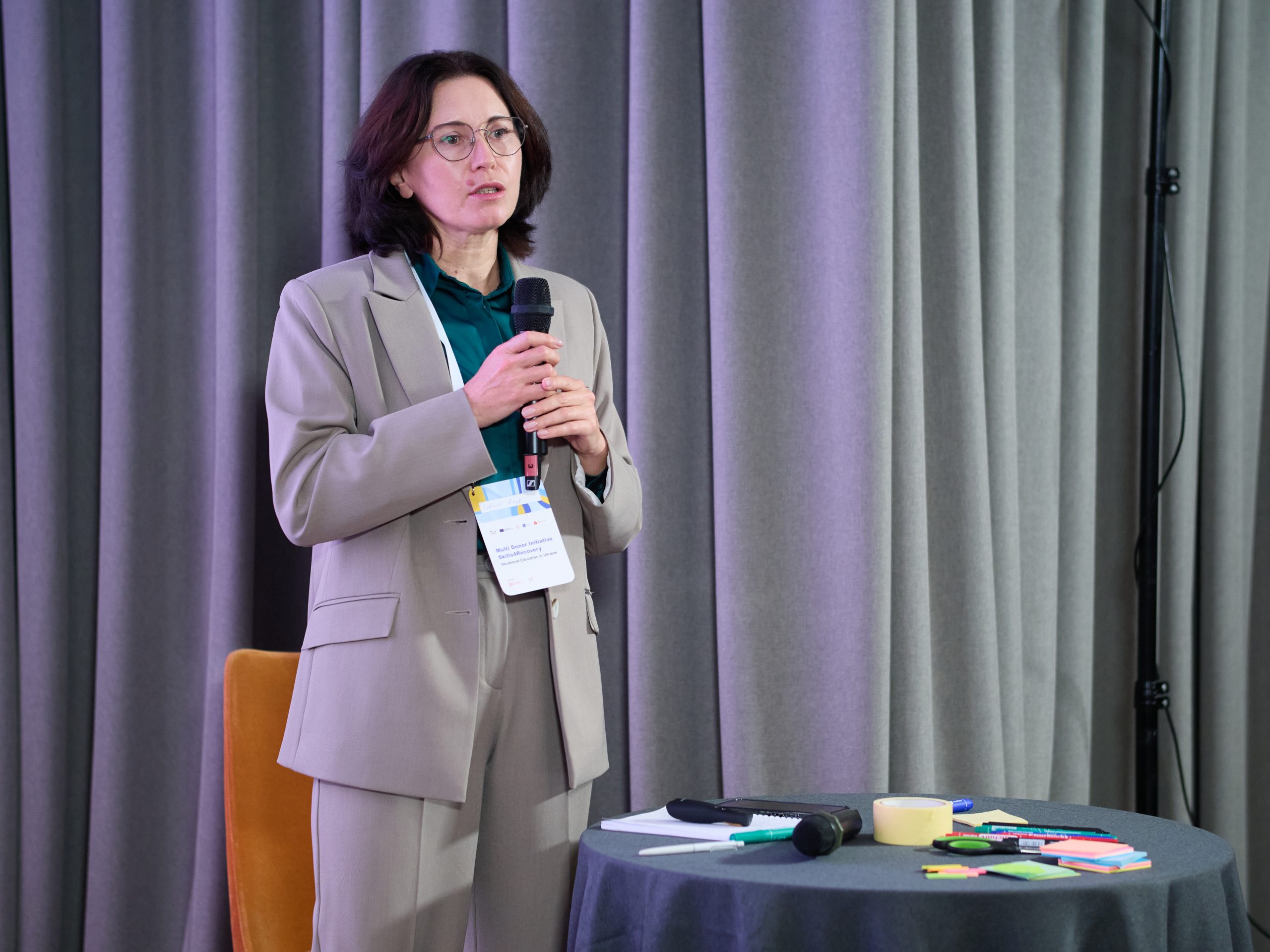
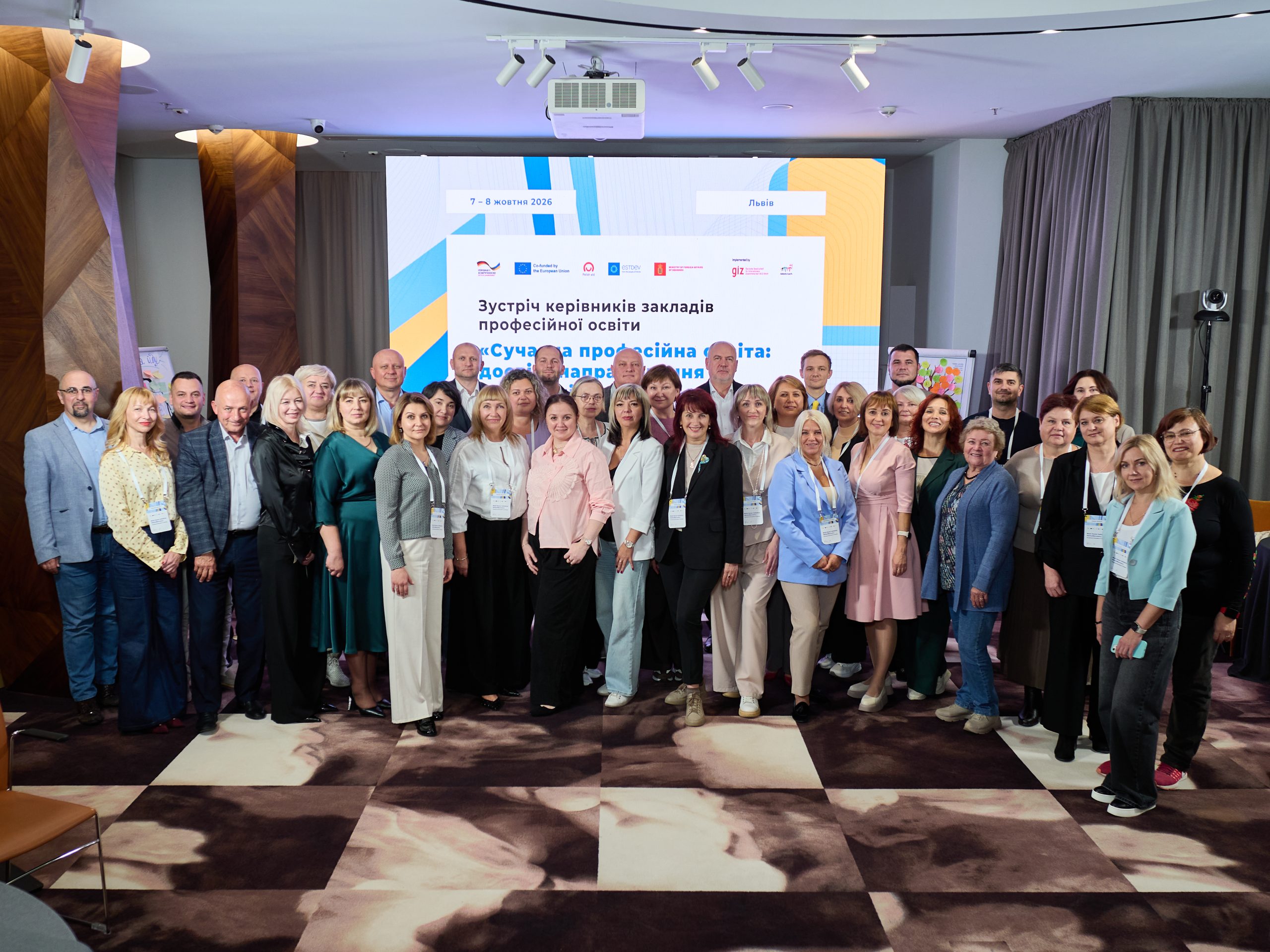
The presentation took place in Lviv on 8 October, bringing together 33 heads of VET institutions in person and a further 1,500 representatives of the vocational education community online.
The curricula were developed by the Institute of Professional Qualifications and the NGO SvitOsvit, with the involvement of VET providers, employers and the Ministry of Education and Science of Ukraine.
What is new in the curricula?
The process began with an analysis of labour market needs and consultations with businesses. Working groups were established for each occupation, with practising employers accounting for at least half of their members. They helped identify the knowledge and skills businesses need and how these could be incorporated into training.
One of the main changes is the introduction of a modular structure. Rather than focusing on individual subjects, the curricula are organised around specific occupational competences and learning outcomes. This creates opportunities for shorter courses, retraining and the acquisition of partial qualifications.
This approach is particularly valuable for adults looking to change careers or develop additional skills without completing a full training programme. It also allows VET providers to offer more flexible training options, while employers can use individual modules to upskill their workforce.
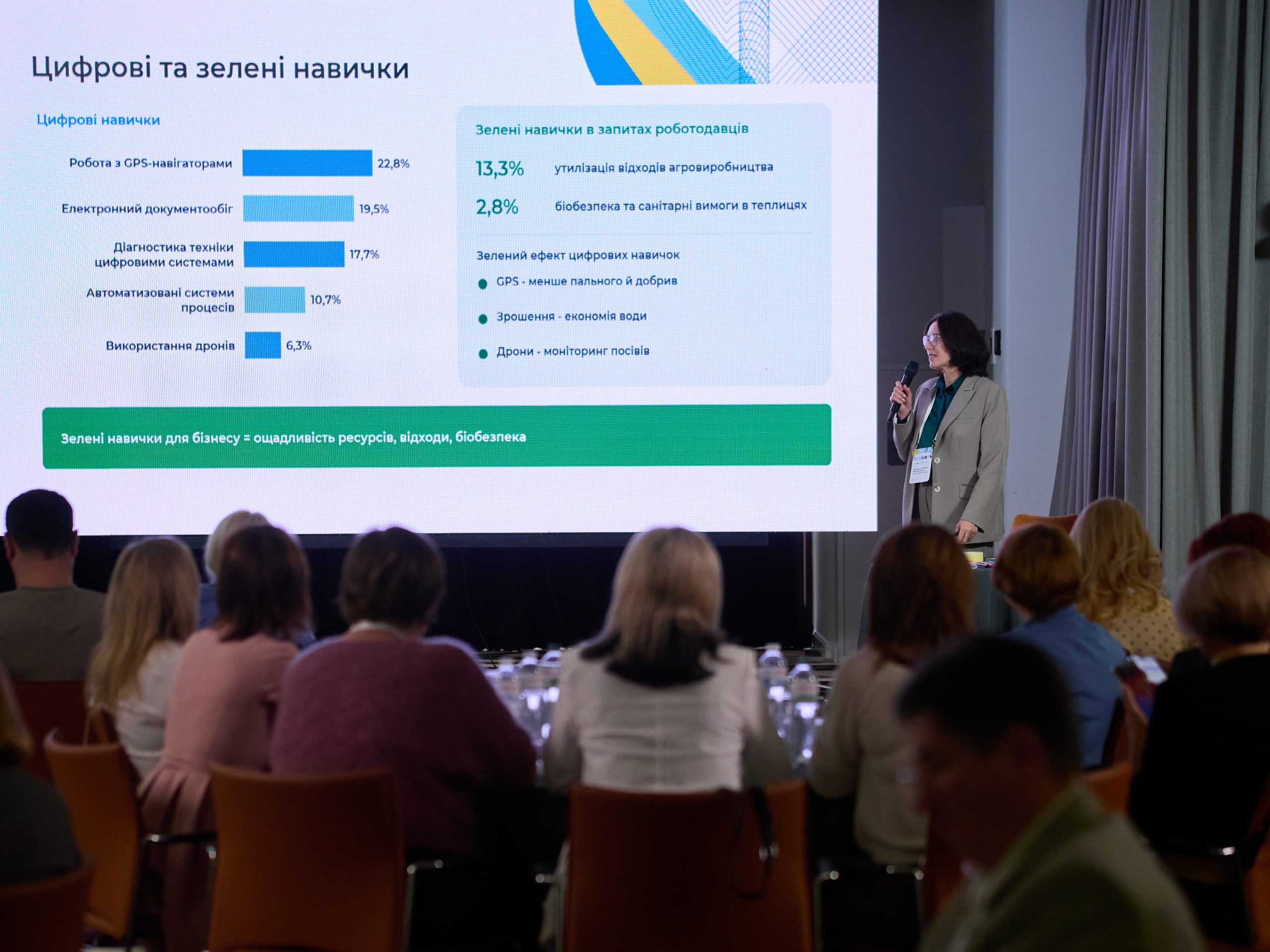
The curricula also integrate digital and green skills, including the use of modern equipment and digital tools, energy-efficient technologies and resource-efficient practices.
How has training for agricultural machinery operators changed?
One example is the modernised curriculum Mechanised Operations in Agricultural Production.
Before its development, 180 representatives of agricultural enterprises across 19 regions of Ukraine were surveyed. Of those surveyed, 74% identified agricultural machinery operators as the most in-demand occupation. Employers also highlighted gaps in graduates’ practical skills and the growing need for digital competences.
In response, two separate curricula for categories A1 and A2 were combined into a single modular programme. The share of practical training increased from 52% to 60% of total learning time.
The approach to teaching modern technologies has also changed. Previously, GPS navigation was covered in just two hours of theoretical instruction. It is now integrated into several modules, including soil cultivation, sowing, crop management and harvesting.
The curriculum also provides opportunities to gain partial qualifications upon completion of individual modules.
In addition to agricultural machinery operators, curricula have been modernised for agricultural drone operators, navigation system installers, irrigation equipment operators and greenhouse specialists.
Other sectors have also benefited. For example, the updated curriculum for ventilation and air-conditioning system installers now covers electronic design documentation, the fundamentals of Building Information Modelling (BIM) and energy-efficient solutions.
Practical teaching guides are also being developed for two agricultural curricula to support teachers and practical training instructors. These will include step-by-step guidance for delivering lessons, workplace-based case studies, checklists and criteria for assessing learning outcomes.
How do VET institutions plan to build on these changes?
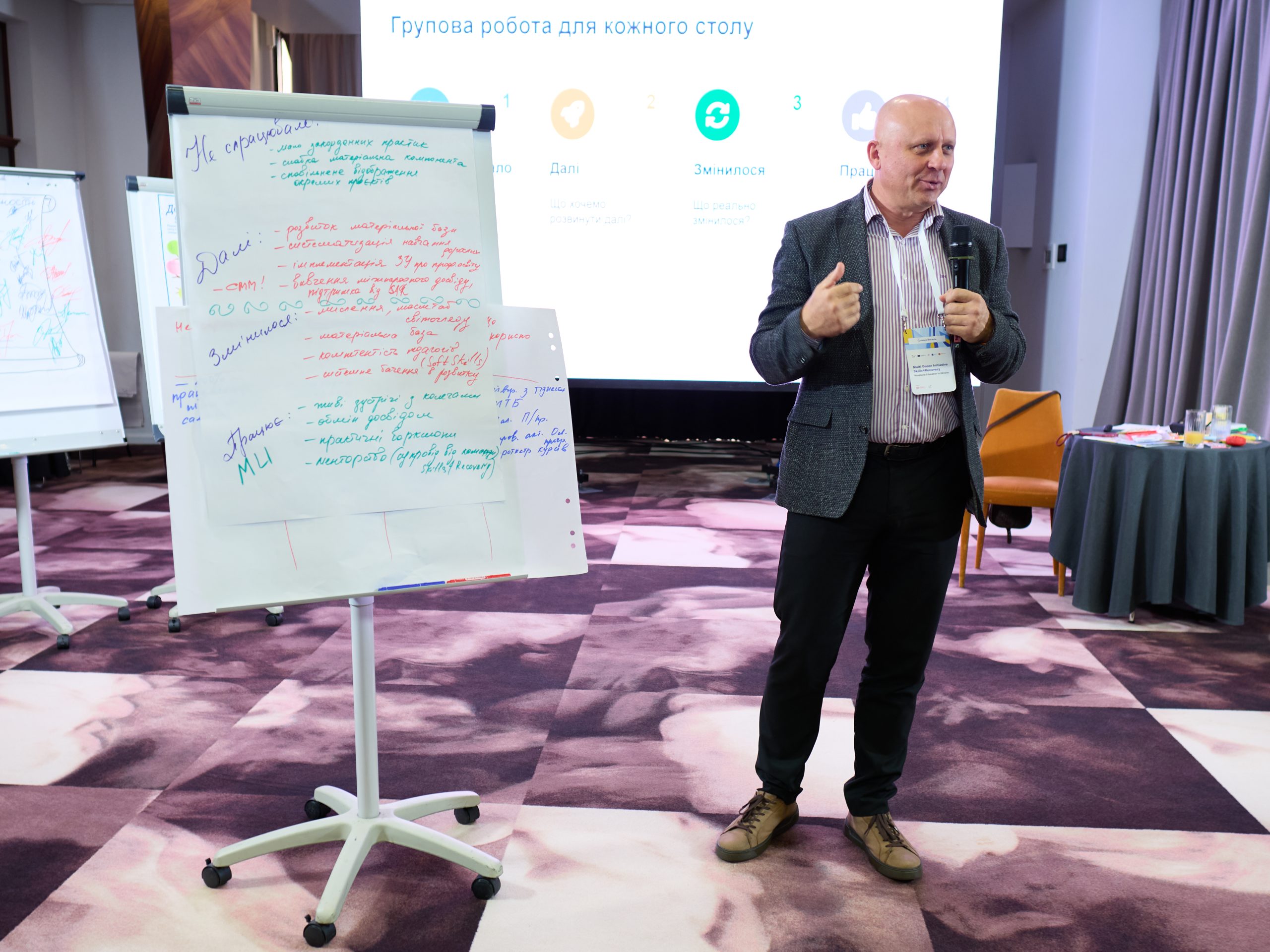
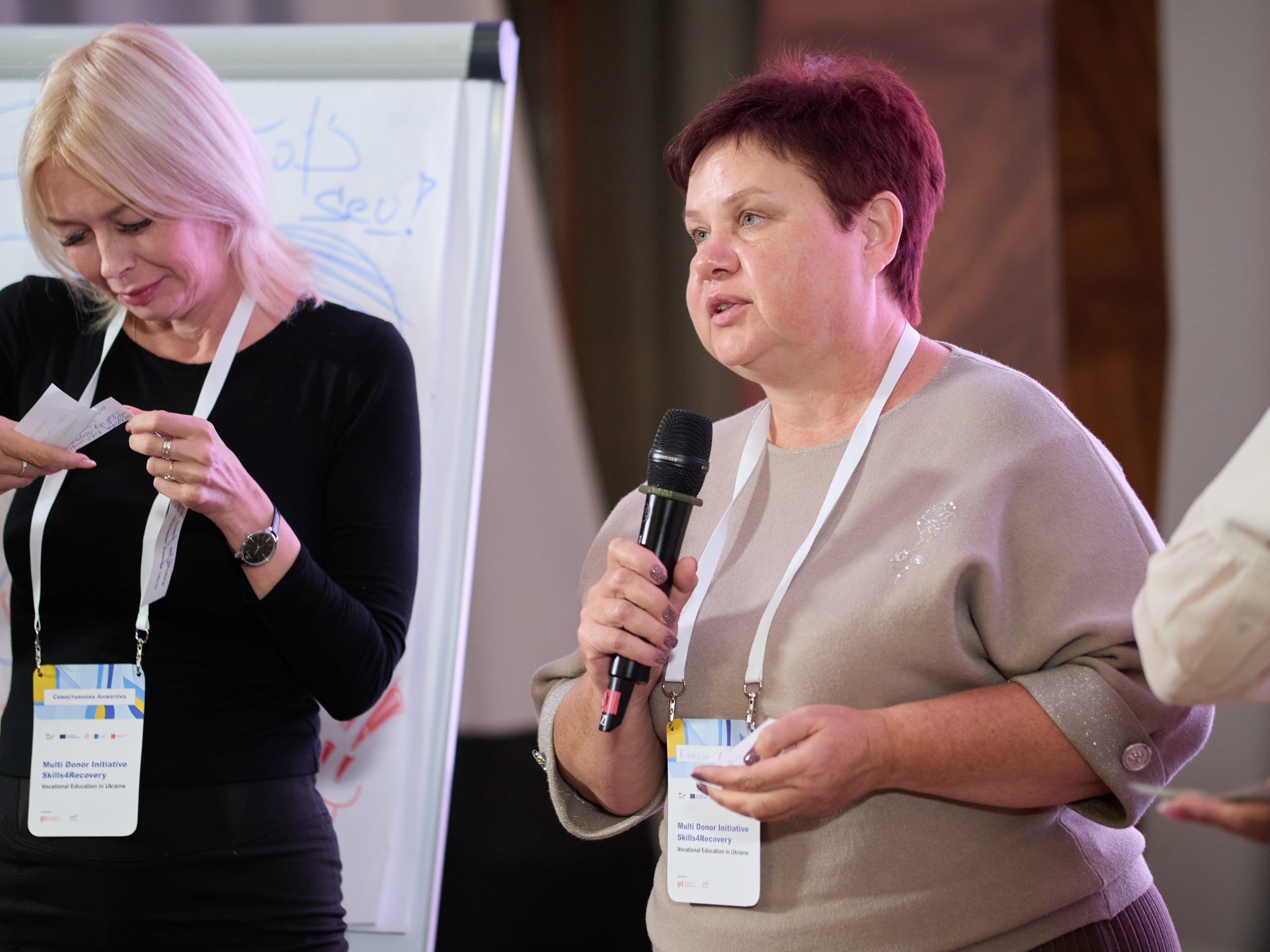
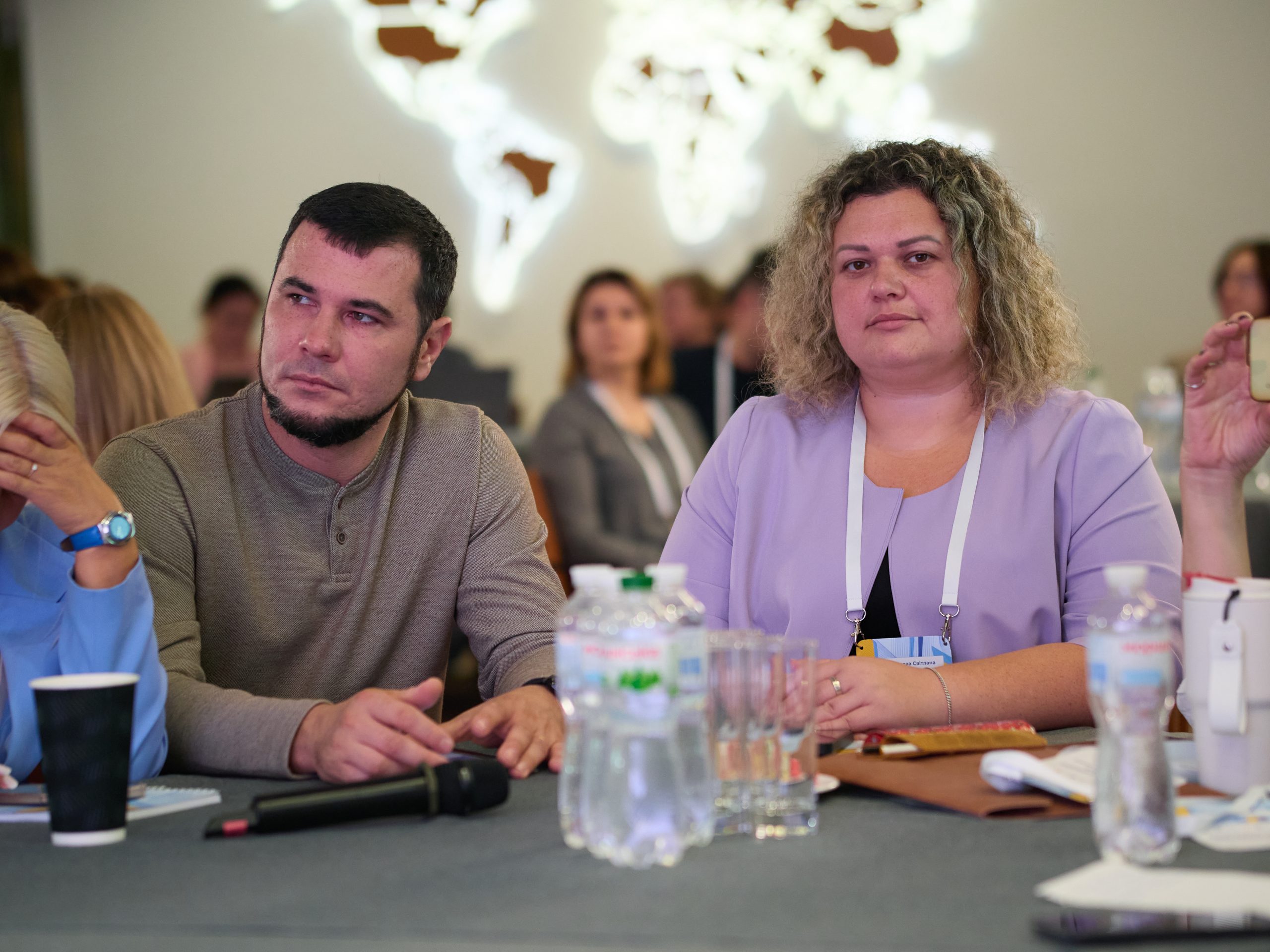
The curricula were presented as part of a two-day meeting of VET institution leaders, Modern Vocational Education: Experience, Achievements and Next Steps, organised by Skills4Recovery in Lviv on 7–8 October.
Participants also reflected on the results of their cooperation with the initiative. Among the most significant changes, they highlighted improved teaching competences, upgraded training facilities and equipment, greater use of modern digital technologies and stronger partnerships with employers.
Looking ahead, VET leaders identified the development of dual education, expanded adult learning opportunities, further digitalisation and the wider adoption of successful practices across institutions as key priorities.
The modernised curricula will be one of the tools supporting these efforts, helping VET institutions adapt their training to employers’ needs and prepare skilled professionals essential for Ukraine’s recovery and economic development.
The Multi Donor Initiative Skills4Recovery is jointly co-financed by the European Union, Germany, Poland, Estonia and Denmark. It is implemented by Deutsche Gesellschaft für Internationale Zusammenarbeit (GIZ) GmbH and Solidarity Fund PL (SFPL).